
DbcultAccessing Vault...
Director's Spotlight
Senior Film Conservator
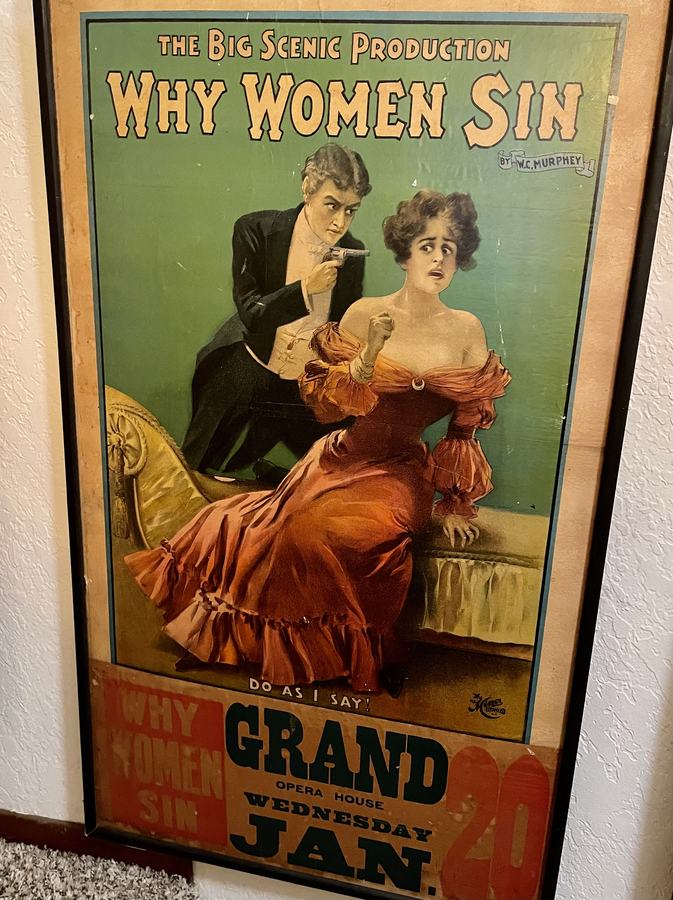
Director's Spotlight: United States
A Deep Dive into the 1920 Vision of Burton L. King
As a cultural artifact of the 1920s, Why Women Sin provides the global recognition that Burton L. King garnered after the release of Why Women Sin. Elevating the source material through Burton L. King's unique vision, it solidifies Burton L. King's reputation as a master of the craft.
In Why Women Sin, Burton L. King pushes the boundaries of conventional narrative. The film's unique approach to its subject matter has sparked endless debates and interpretations among cinephiles and critics alike.
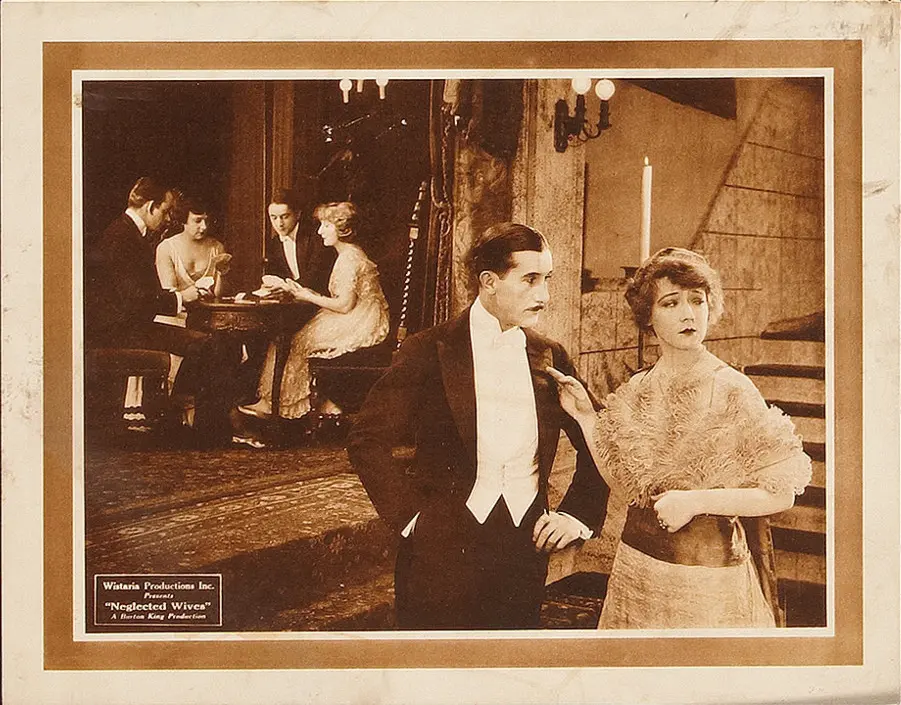
The visual language of Why Women Sin is defined by its use of shadows and framing, a hallmark of Burton L. King's style. By utilizing a 1920-era palette, the film creates an immersive experience that perfectly complements its Drama themes.
| Cinematography | Deep Focus |
| Soundtrack | Minimalist |
| Editing | Disjunctive |
| Art Direction | Baroque |
Visualizing the convergence of Burton L. King's style and the core Drama narrative.
So engrossed by his desire to be elected governor, Philip Pemberton neglects his wife Dorothy. Horton, a political boss opposes Pemberton's candidacy and conspires to prevent his election. To accomplish this, Horton hires two crooks to pose as the Baron and Baroness De Ville to gain Dorothy's confidence. One day while out motoring with Dorothy, the Baroness feigns illness and is taken to the bedroom of an inn, where her husband unexpectedly appears. When the Baroness steps out, the frame-up for a potential scandal is completed. Horton threatens to blackmail Pemberton with the situation unless he drops out of the race, but at the last minute a detective who has been tracking the Baroness appears and arrests her, exposing the Horton plot. Pemberton then realizes he has neglected his wife and begs her forgiveness, which she grants.
Decades after its release, Why Women Sin remains a vital piece of the cinematic puzzle. Its influence can be seen in countless modern works, solidifying Burton L. King's status as a master of the craft in United States and beyond.