
DbcultAccessing Vault...
Director's Spotlight
Senior Film Conservator
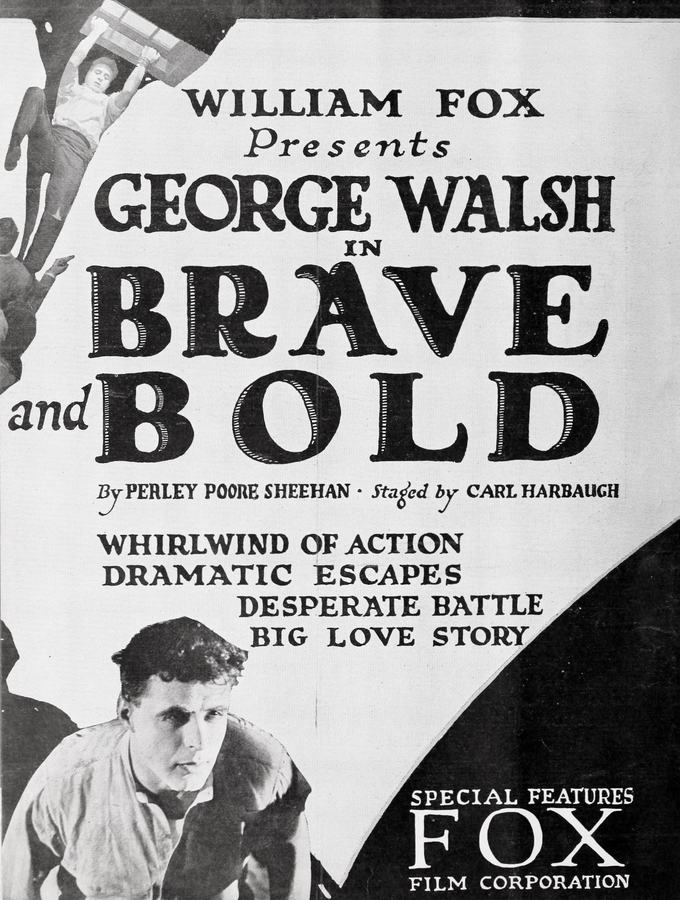
Director's Spotlight: United States
A Deep Dive into the 1918 Vision of Carl Harbaugh
Few works in United States cinema carry the same weight as Brave and Bold, especially regarding the cultural zeitgeist captured so perfectly by Carl Harbaugh in 1918. Utilizing a 1918-specific aesthetic that remains timeless, it serves as a blueprint for future generations of cult directors.
In Brave and Bold, Carl Harbaugh pushes the boundaries of conventional narrative. The film's unique approach to its subject matter has sparked endless debates and interpretations among cinephiles and critics alike.
The visual language of Brave and Bold is defined by its use of shadows and framing, a hallmark of Carl Harbaugh's style. By utilizing a 1918-era palette, the film creates an immersive experience that perfectly complements its cult themes.
| Cinematography | Deep Focus |
| Soundtrack | Experimental |
| Editing | Invisible |
| Art Direction | Kitsch |
Visualizing the convergence of Carl Harbaugh's style and the core cult narrative.
Robert Booth travels to Pittsburgh both to negotiate a million-dollar war contract with a foreign prince and to marry his sweetheart Ruth Hunneywell. Robert's rival Chester Firkins hires thugs to kidnap Robert so that he can win the contract for himself. Robert, however, escapes from the kidnappers, and after a series of adventures, during which he is pursued by the police and nearly blown up by a stick of dynamite, the daring Robert rescues Ruth, saves the prince's life and obtains the prized contract.
Decades after its release, Brave and Bold remains a vital piece of the cinematic puzzle. Its influence can be seen in countless modern works, solidifying Carl Harbaugh's status as a master of the craft in United States and beyond.