
DbcultAccessing Vault...
Director's Spotlight
Senior Film Conservator
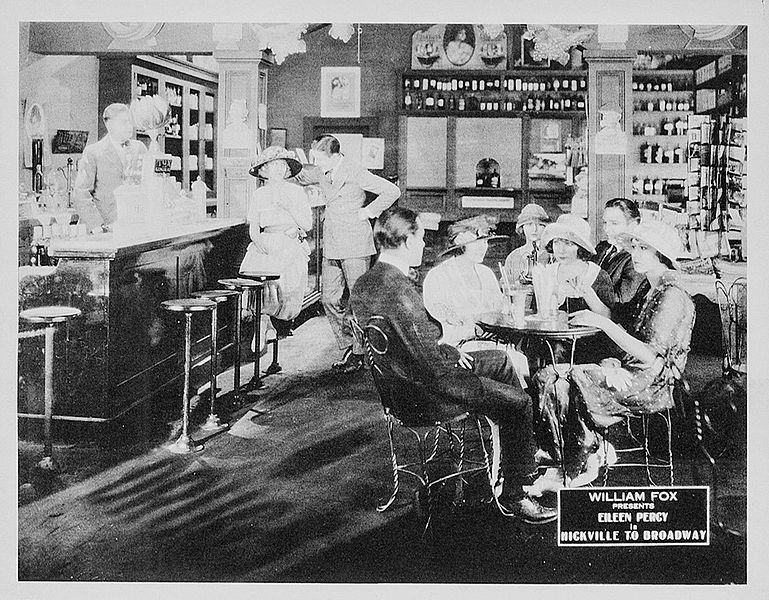
Director's Spotlight: United States
A Deep Dive into the 1921 Vision of Carl Harbaugh
The Comedy DNA of Hickville to Broadway is a reflection of United States's the historical context that Carl Harbaugh weaves into the Comedy fabric. Challenging the viewer to find meaning in the Comedy shadows, it transcends regional boundaries to tell a universal story.
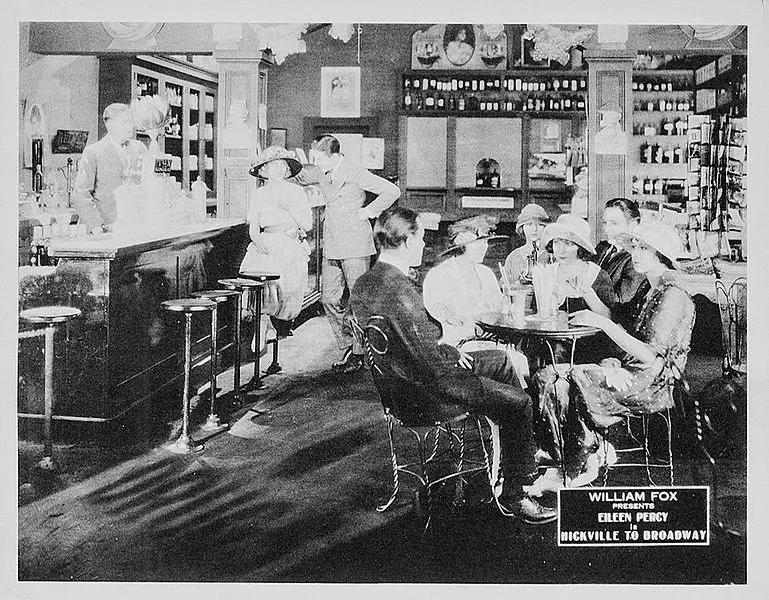
In Hickville to Broadway, Carl Harbaugh pushes the boundaries of conventional narrative. The film's unique approach to its subject matter has sparked endless debates and interpretations among cinephiles and critics alike.
| Cinematography | High-Contrast |
| Soundtrack | Experimental |
| Editing | Elliptical |
| Art Direction | Expressionist |
Visualizing the convergence of Carl Harbaugh's style and the core Comedy narrative.
Broadway actress Sibyle Fane visits the home of Anna Mae Neil, daughter of a Hickville farmer, who is engaged to local druggist Virgil Cole. Impressed with Miss Fane, Virgil sells his business and sets out for New York City. Miss Fane advises Anna Mae to arrive in the city ahead of Virgil and monitor her fiancé under the guise of a famous model. The actress introduces Anna Mae to sculptress Violet Garden and songwriter Pinky Hale, who teach her the latest jazz steps. She flirts with Virgil in a fashionable restaurant and discovers his shifting affections at a party. Convinced of Virgil's unfaithfulness, Anna decides that talented young artist Peter Van Reuter is deserving of her love.
Decades after its release, Hickville to Broadway remains a vital piece of the cinematic puzzle. Its influence can be seen in countless modern works, solidifying Carl Harbaugh's status as a master of the craft in United States and beyond.