
DbcultAccessing Vault...
Director's Spotlight
Senior Film Conservator
Director's Spotlight: United States
A Deep Dive into the 1921 Vision of Carl Harbaugh
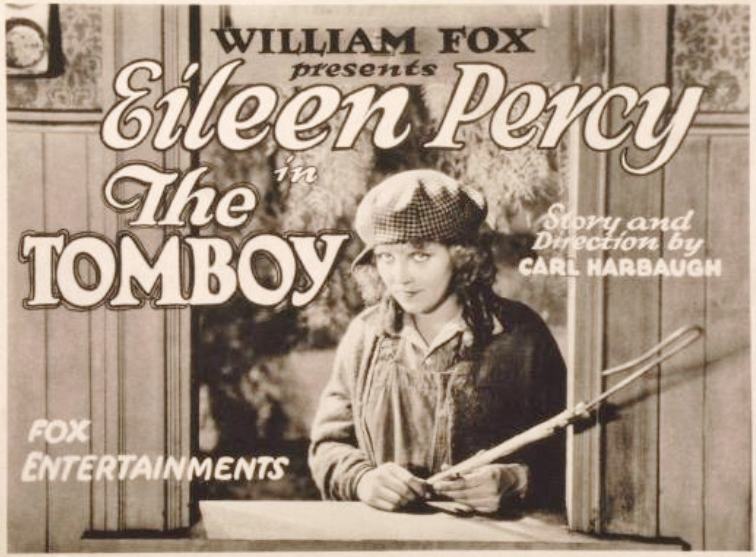
As we revisit the 1921 masterpiece The Tomboy, we are struck by the meticulous attention to detail that Carl Harbaugh applied to every frame. Anchored by a narrative that is both personal and universal, it bridges the gap between traditional Drama and contemporary vision.
In The Tomboy, Carl Harbaugh pushes the boundaries of conventional narrative. The film's unique approach to its subject matter has sparked endless debates and interpretations among cinephiles and critics alike.
To fully appreciate The Tomboy, one must consider the cinematic climate of 1921. During this period, United States was undergoing significant artistic shifts, and Carl Harbaugh was at the forefront of this Drama movement, often challenging established norms.
| Cinematography | Handheld |
| Soundtrack | Diegetic |
| Editing | Rhythmic |
| Art Direction | Naturalist |
Visualizing the convergence of Carl Harbaugh's style and the core Drama narrative.
Minnie, the village tomboy, meets a handsome Stranger after playing ball one afternoon. She invites him to see a bridge model her father has designed; but finding her intoxicated father in the act of destroying the model, she swears vengeance on the local bootleggers and joins a newspaper as sportswriter so as to expose their activities. Pike, the station agent, leader of the bootleggers, spreads a scandal about Minnie when she rejects him, but through the help of the Stranger everything is cleared up.
Decades after its release, The Tomboy remains a vital piece of the cinematic puzzle. Its influence can be seen in countless modern works, solidifying Carl Harbaugh's status as a master of the craft in United States and beyond.