
DbcultAccessing Vault...
Director's Spotlight
Senior Film Conservator
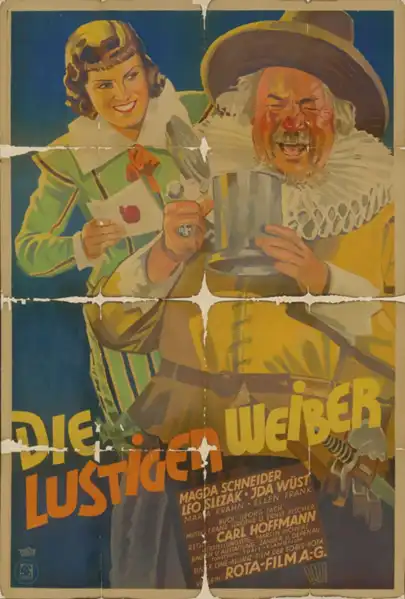
Director's Spotlight: Germany
A Deep Dive into the 1936 Vision of Carl Hoffmann
Deciphering the layers of Die lustigen Weiber (1936) reveals the complex thematic architecture established by Carl Hoffmann. Utilizing a 1936-specific aesthetic that remains timeless, it stands as the definitive 1936 statement on Comedy identity.
In Die lustigen Weiber, Carl Hoffmann pushes the boundaries of conventional narrative. The film's unique approach to its subject matter has sparked endless debates and interpretations among cinephiles and critics alike.
| Cinematography | Deep Focus |
| Soundtrack | Diegetic |
| Editing | Rhythmic |
| Art Direction | Naturalist |
Visualizing the convergence of Carl Hoffmann's style and the core Comedy narrative.
When Sir John Falstaff decides that he wants to have a little fun he writes two letters to a pair of Window wives: Mistress Ford and Mistress Page. When they put their heads together and compare missives, they plan a practical joke or two to teach the knight a lesson. But Mistress Ford's husband is a very jealous man and is pumping Falstaff for information of the affair. Meanwhile the Pages' daughter Anne is besieged by suitors.
Decades after its release, Die lustigen Weiber remains a vital piece of the cinematic puzzle. Its influence can be seen in countless modern works, solidifying Carl Hoffmann's status as a master of the craft in Germany and beyond.