
DbcultAccessing Vault...
Director's Spotlight
Senior Film Conservator
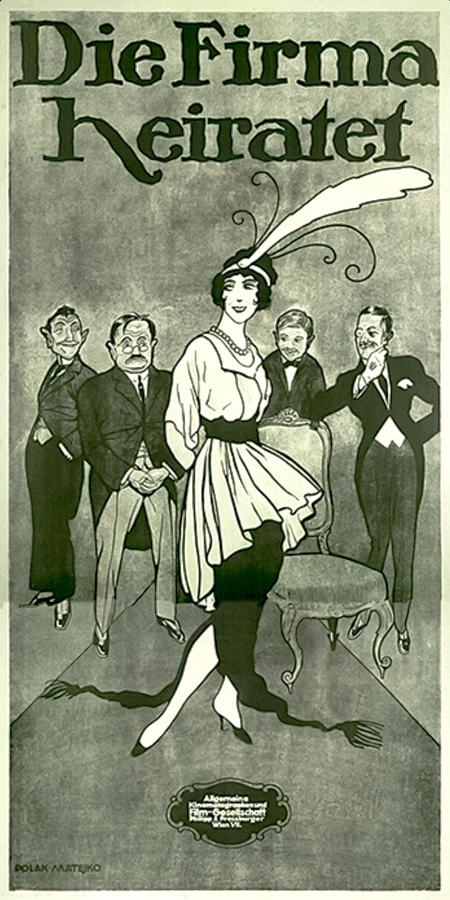
Director's Spotlight: Germany
A Deep Dive into the 1914 Vision of Carl Wilhelm
Analyzing The Perfect Thirty-Six (1914) requires a deep dive into the unique directorial voice that Carl Wilhelm brought to the screen. By challenging the status quo of 1914 cinema, it continues to spark endless debates among critics and cinephiles alike.
In The Perfect Thirty-Six, Carl Wilhelm pushes the boundaries of conventional narrative. The film's unique approach to its subject matter has sparked endless debates and interpretations among cinephiles and critics alike.
To fully appreciate The Perfect Thirty-Six, one must consider the cinematic climate of 1914. During this period, Germany was undergoing significant artistic shifts, and Carl Wilhelm was at the forefront of this cult movement, often challenging established norms.
| Cinematography | Noir-Inspired |
| Soundtrack | Orchestral |
| Editing | Slow-Burn |
| Art Direction | Brutalist |
Visualizing the convergence of Carl Wilhelm's style and the core cult narrative.
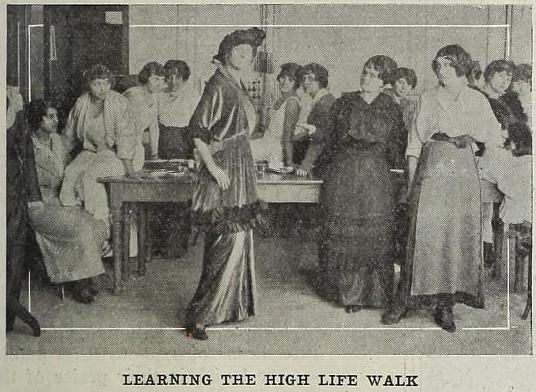
Gertie, a charming, lively young girl living in a little village, graduates from the high school, and her mother at once sends her to her Aunt Amelia, proprietress of a fashionable garment store in Leipzig, to be broken into the business. Arriving at Leipzig, she is at once put to work by her Aunt, who is a very capable business woman. Great as is the contrast between her present life in Leipzig as compared with that of her native village, she sighs for life in Berlin where, as her favorite line of fiction tells her, beautiful young girls can have the world at their feet. Not long after her debut in the garment store, enters Sigmund Phillippsohn, salesman for a wholesale garment house in Berlin. He is the friend of everyone in the shop and there ensues a flutter of excitement from Amelia down to the errand girls. He sees Gertie and she scores a hit upon his nice discernment. He invites her Aunt and her to dine with him that evening, and then wires his house that he has found a perfect thirty-six and asking if he will hire her. His house answers telling him to "send, her along." He broaches the subject to Gertie and finds her more than willing to accept. The next day she airily trips from the shop, giving her poor Aunt an unexpected and unwelcome farewell. Arriving at Mayer and Nathanson's cloak and suit emporium in Berlin, the green girl does not make an immediate hit with Mayer, but she is taken on. Moritz Abramowsky, however, sees the diamond in the rough and determines to get in her good graces. He invites her to supper with him and she gladly accepts. A sad awakening; the frugal Moritz takes her to a beanery of the type where the waiters yell, "draw one in the dark" and "ham and." While Moritz is foraging among the eatables of a neighboring table, the house salesman of Mayer and Nathanson enters in search of Gertie and carries her off to a real restaurant. Gertie's rise in the business is rapid. The princess of the royal family calls at the emporium to select a costume. The various models parade before her in all their refinery, but of them all it is Gertie who makes the hit. Through her skillful showing, the princess purchases liberally and leaves, stating that she desires Miss Gertie to always wait upon her in the future. The fame of her ability travels, and she is offered a position at double her present salary by a rival concern. Gertie decides to accept it, and so does not go down to business that day. It so happens that the princess requests Mayer to call at the palace that very day and bring Miss Gertie with him to show the new gowns. Alarmed by the model's absence, he accepts Moritz's advice and calls upon the absent girl in person. He persuades her to go with him to the palace. At the conclusion of a most successful call he determines to make the girl his for all time, proposes and is accepted.
Decades after its release, The Perfect Thirty-Six remains a vital piece of the cinematic puzzle. Its influence can be seen in countless modern works, solidifying Carl Wilhelm's status as a master of the craft in Germany and beyond.