
DbcultAccessing Vault...
Director's Spotlight
Senior Film Conservator
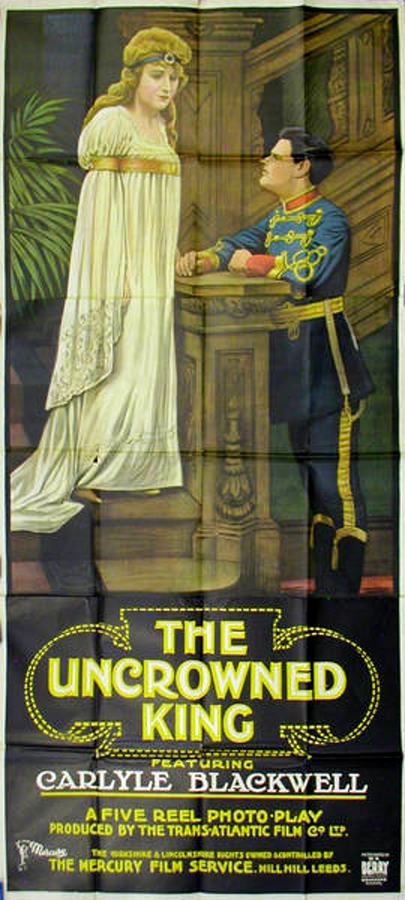
Director's Spotlight: United States
A Deep Dive into the 1918 Vision of Carlyle Blackwell
The evocative power of His Royal Highness stems from the unique collaboration between the bold experimentation that has become synonymous with Carlyle Blackwell. Framed by the hauntingly beautiful landscapes of the production, it echoes the profound changes occurring in United States during that era.
In His Royal Highness, Carlyle Blackwell pushes the boundaries of conventional narrative. The film's unique approach to its subject matter has sparked endless debates and interpretations among cinephiles and critics alike.
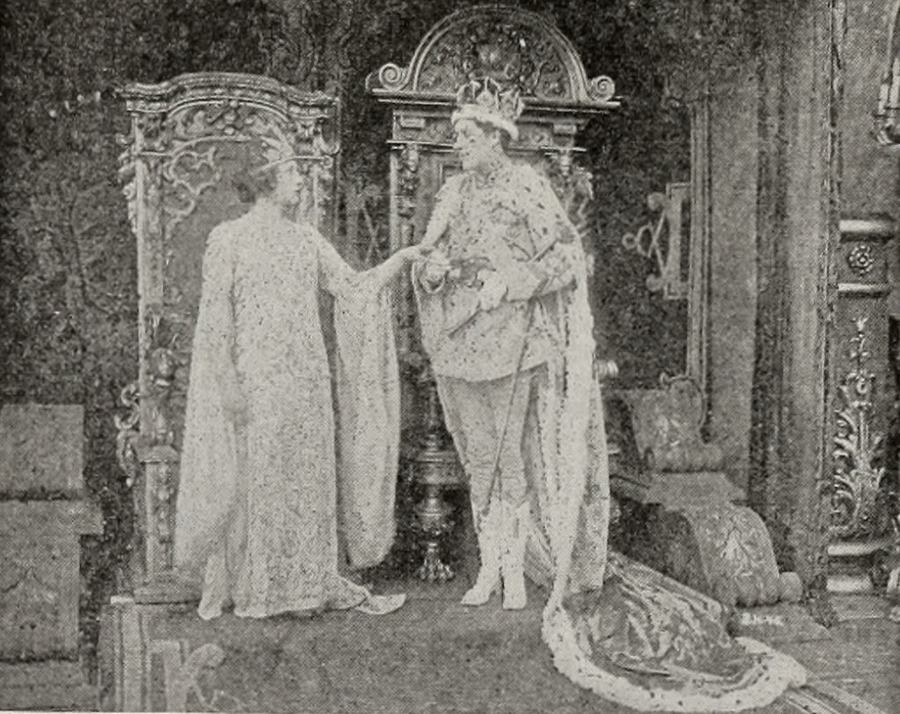
The visual language of His Royal Highness is defined by its use of shadows and framing, a hallmark of Carlyle Blackwell's style. By utilizing a 1918-era palette, the film creates an immersive experience that perfectly complements its cult themes.
| Cinematography | Handheld |
| Soundtrack | Orchestral |
| Editing | Invisible |
| Art Direction | Kitsch |
Visualizing the convergence of Carlyle Blackwell's style and the core cult narrative.
Football star Jack Christie accompanies his college roommate Victor Borden to France, where the latter becomes attached to gangster's daughter Lisette. He is injured trying to save her from a forced marriage, and while he is confined in a hospital, he reveals to Jack that he is actually Prince of Wallarya, a small country in the Balkans. Because Prince Ferdinand, who wishes to seize the throne, has convinced the King of Terresta to declare war on Wallarya, Jack agrees to take Victor's place temporarily at the head of the army. Posing as the prince, Jack foils Ferdinand's attempts to assassinate him and then prevents war by agreeing to marry the king of Terresta's daughter Diana. Victor wires Jack that he plans to settle permanently in America with Lisette, leaving the football hero to rule Wallarya with his bride.
Decades after its release, His Royal Highness remains a vital piece of the cinematic puzzle. Its influence can be seen in countless modern works, solidifying Carlyle Blackwell's status as a master of the craft in United States and beyond.