
DbcultAccessing Vault...
Director's Spotlight
Senior Film Conservator
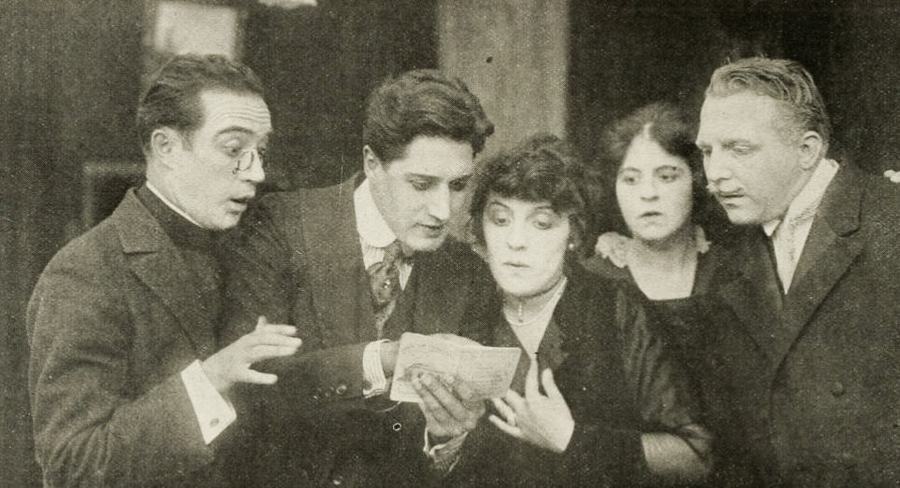
Director's Spotlight: United States
A Deep Dive into the 1914 Vision of Carlyle Blackwell
In the storied career of Carlyle Blackwell, The Man Who Could Not Lose stands as a the provocative questions that Carlyle Blackwell poses to the United States audience. Elevating the source material through Carlyle Blackwell's unique vision, it persists as a haunting reminder of our own cinematic history.
In The Man Who Could Not Lose, Carlyle Blackwell pushes the boundaries of conventional narrative. The film's unique approach to its subject matter has sparked endless debates and interpretations among cinephiles and critics alike.
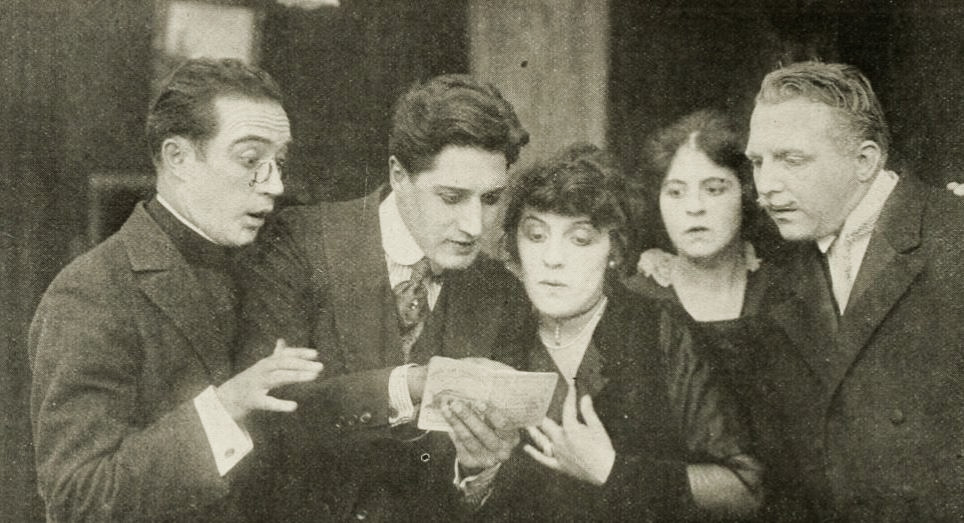
The visual language of The Man Who Could Not Lose is defined by its use of shadows and framing, a hallmark of Carlyle Blackwell's style. By utilizing a 1914-era palette, the film creates an immersive experience that perfectly complements its cult themes.
| Cinematography | Static |
| Soundtrack | Diegetic |
| Editing | Elliptical |
| Art Direction | Expressionist |
Visualizing the convergence of Carlyle Blackwell's style and the core cult narrative.
Champney Carter, a writer, late one night receives a telegram from his publishers stating that he must deliver on the following morning the manuscript of the novel he has contracted to write for them. Not one word of the story has been written yet. Putting a piece of paper in his typewriter, he begins his tale, "The Man Who Could Not Lose." Through the long hours of the night he writes with frenzied haste. The Story: Jackson Carter, an elderly man, through gambling on the races, finds himself penniless and in debt to Sol Burbank, a bookmaker, for a large amount. The bookmaker makes repeated demands for the money and at last, after a stormy interview, threatens Carter with exposure. From the shock the unfortunate man is stricken with heart failure and falls dead at Burbank's feet. Champney Carter, the gambler's son, leaves college and makes a vow to sooner or later wreak vengeance upon the man who caused his father's death. Young Carter becomes a writer and earns a precarious livelihood as an author. His first novel, the "Dead Heat," is a failure. At this time he meets Dolly Ingram, the daughter of a wealthy banker, falls in love with her, but his attentions meet with the objection of her father, who wishes her to marry a nobleman. Carter elopes with Dolly and for a while they live near poverty, when, in a dream, he sees a horse named Dromedary win the Suburban handicap. The next day he places all his money upon the horse and wins at 40 to 1. Time and time he picks the winning horse, and finally drives Sol Burbank from the track, a bankrupt. Owing to his marvelous luck he is called "The Man Who Could Not Lose." When his winnings total half a million dollars he stops gambling. A reconciliation is affected between his wife and her father and all ends happily. End of story. The next morning bright and early the girl from the publishers comes for the story. He is amazed to find that she is the exact counterpart of the heroine of the story, which is a great success. Six months later he wins her heart and she becomes Mrs. Champney Carter.
Decades after its release, The Man Who Could Not Lose remains a vital piece of the cinematic puzzle. Its influence can be seen in countless modern works, solidifying Carlyle Blackwell's status as a master of the craft in United States and beyond.