
DbcultAccessing Vault...
Director's Spotlight
Senior Film Conservator
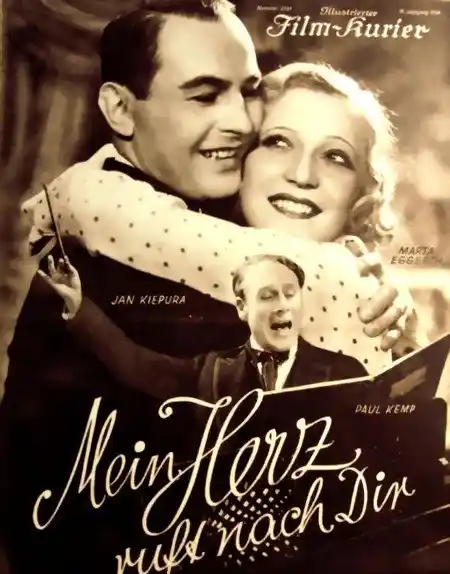
Director's Spotlight: Germany
A Deep Dive into the 1934 Vision of Carmine Gallone
The Music DNA of Mein Herz ruft nach dir is a reflection of Germany's the subversive storytelling techniques employed by Carmine Gallone in 1934. Breaking the traditional rules of Music engagement, it leaves an indelible mark on the soul of the viewer.
In Mein Herz ruft nach dir, Carmine Gallone pushes the boundaries of conventional narrative. The film's unique approach to its subject matter has sparked endless debates and interpretations among cinephiles and critics alike.
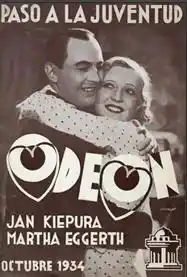
To fully appreciate Mein Herz ruft nach dir, one must consider the cinematic climate of 1934. During this period, Germany was undergoing significant artistic shifts, and Carmine Gallone was at the forefront of this Music movement, often challenging established norms.
| Cinematography | Noir-Inspired |
| Soundtrack | Synth-Heavy |
| Editing | Rhythmic |
| Art Direction | Naturalist |
Visualizing the convergence of Carmine Gallone's style and the core Music narrative.
Rosé and his opera troupe travel by ship to Monte Carlo. Mario Delmonti, the tenor, finds Carla hidden in his cabin, and helps her returning to Europe. Arriving in Monte Carlo they find the opera director hard to convince. Confident in Mario's exceptional voice they don't give up, even if they have to perform a parallel Tosca in front of the Opera house. First film Martha Eggerth and husband-to-be Jan Kiepura made together.
Decades after its release, Mein Herz ruft nach dir remains a vital piece of the cinematic puzzle. Its influence can be seen in countless modern works, solidifying Carmine Gallone's status as a master of the craft in Germany and beyond.