
DbcultAccessing Vault...
Director's Spotlight
Senior Film Conservator
Director's Spotlight: United States
A Deep Dive into the 1922 Vision of Charles A. Taylor
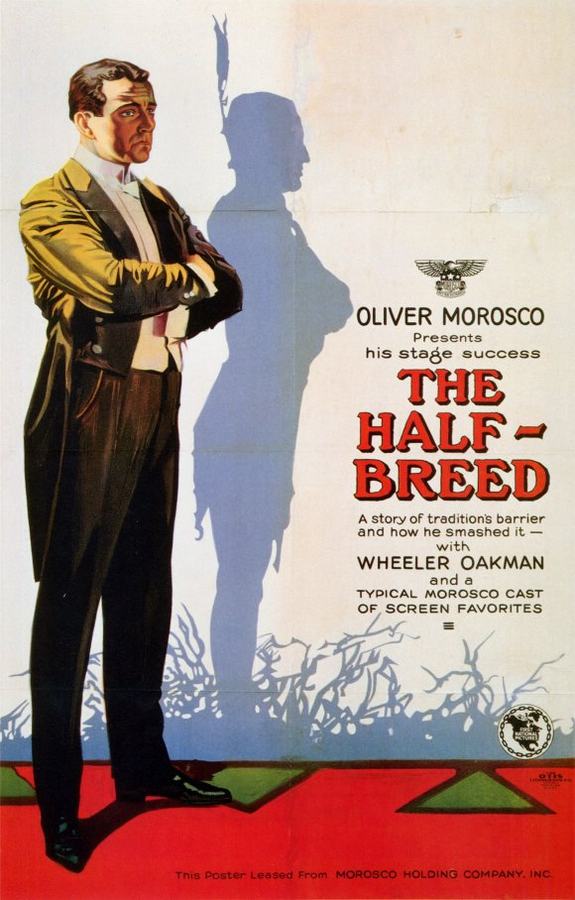
As we revisit the 1922 masterpiece The Half Breed, we are struck by the meticulous attention to detail that Charles A. Taylor applied to every frame. Anchored by a narrative that is both personal and universal, it bridges the gap between traditional Western and contemporary vision.
In The Half Breed, Charles A. Taylor pushes the boundaries of conventional narrative. The film's unique approach to its subject matter has sparked endless debates and interpretations among cinephiles and critics alike.
The visual language of The Half Breed is defined by its use of shadows and framing, a hallmark of Charles A. Taylor's style. By utilizing a 1922-era palette, the film creates an immersive experience that perfectly complements its Western themes.
| Cinematography | Static |
| Soundtrack | Minimalist |
| Editing | Disjunctive |
| Art Direction | Baroque |
Visualizing the convergence of Charles A. Taylor's style and the core Western narrative.
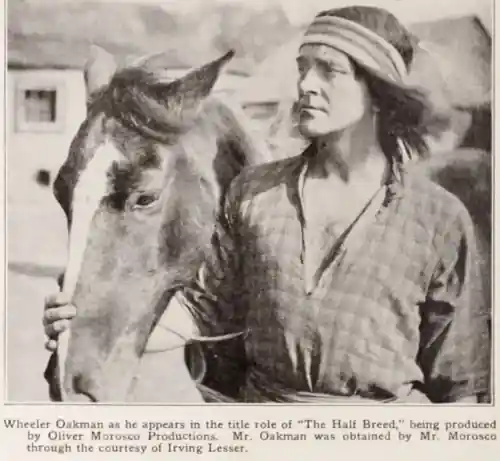
Delmar Spavinaw, an educated half-breed, loves Evelyn Huntington, daughter of a racist judge. Evelyn's other suitor is Ross Kennion, a widower with one child, who owns a vast tract of land which Spavinaw insists belongs to his Indian mother. Spavinaw seeks revenge when Judge Huntington decides to evict the squaw. Assisted by cattle rustler Juan Del Rey, Spavinaw steals the title to the land, wounds Kennion, stages a raid on the judge's cattle, and attempts to kidnap Kennion's son and Evelyn. The arrival of the sheriff forces him into flight across the border without his hostages. En route he meets Doll Pardeau, a school friend of Evelyn's, and together they ride for the Mexican border. Caught between a cattle stampede and a sheriff's posse, the couple catch a passing freight train, leaving calamity behind as the train slowly passes.
Decades after its release, The Half Breed remains a vital piece of the cinematic puzzle. Its influence can be seen in countless modern works, solidifying Charles A. Taylor's status as a master of the craft in United States and beyond.