
DbcultAccessing Vault...
Director's Spotlight
Senior Film Conservator
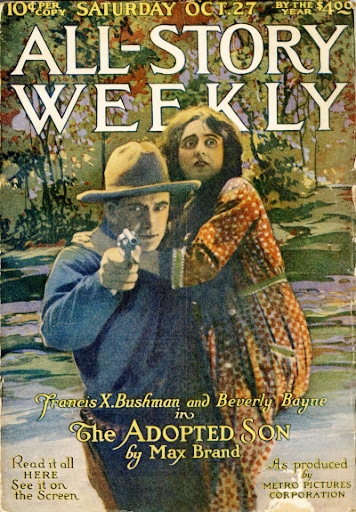
Director's Spotlight: United States
A Deep Dive into the 1917 Vision of Charles Brabin
Few works in United States cinema carry the same weight as The Adopted Son, especially regarding the technical innovation that Charles Brabin introduced to the cult format. Subverting the expectations of the typical 1917 audience, it bridges the gap between traditional cult and contemporary vision.
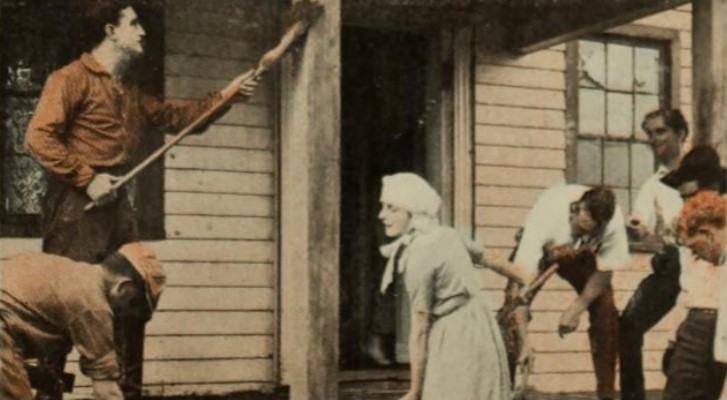
In The Adopted Son, Charles Brabin pushes the boundaries of conventional narrative. The film's unique approach to its subject matter has sparked endless debates and interpretations among cinephiles and critics alike.
| Cinematography | Handheld |
| Soundtrack | Synth-Heavy |
| Editing | Rhythmic |
| Art Direction | Naturalist |
Visualizing the convergence of Charles Brabin's style and the core cult narrative.
A feud has existed between the McLanes and the Conovers in the Tennessee mountains for many years. "Two Gun Carter" leaves Texas after a shooting fray and arrives just in time to witness George Conover's death at the hands of Henry McLane. Carrying young Conover's body to his family, Carter is very moved by their grief that he agrees to become their adopted son and subsequently falls in love with Marian Conover. In an attempt to put an end to the feud, Carter suggests a duel between himself and Henry McLane, but Henry refuses, and so, to uphold his family honor, Tom McLane, the clan leader, accepts the challenge. In the midst of the match, news arrives that Henry has abducted Marian. Carter rushes off and rescues Marian just as Henry and his horse plunge over the edge of a cliff. Carter then demands that an end be put to the feud as he himself was a born McLane and now plans to marry Marian Conover.
Decades after its release, The Adopted Son remains a vital piece of the cinematic puzzle. Its influence can be seen in countless modern works, solidifying Charles Brabin's status as a master of the craft in United States and beyond.