
DbcultAccessing Vault...
Director's Spotlight
Senior Film Conservator
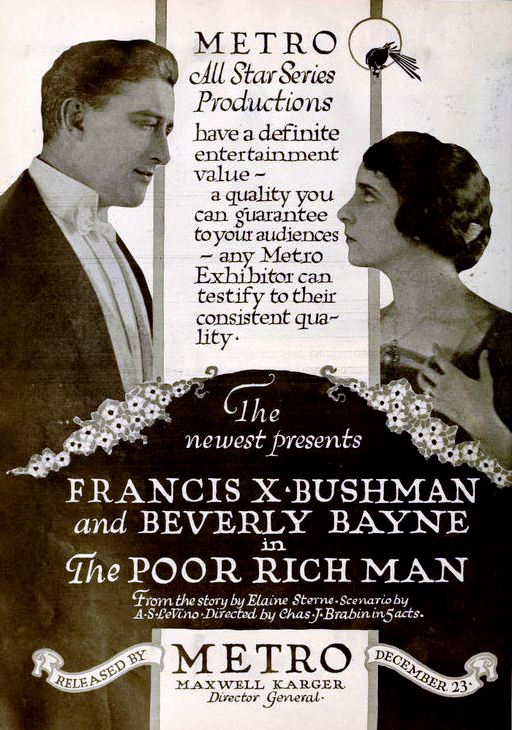
Director's Spotlight: United States
A Deep Dive into the 1918 Vision of Charles Brabin
To understand the modern evolution of United States film, one must first look at The Poor Rich Man and the meticulous attention to detail that Charles Brabin applied to every frame. Reflecting the political and social shifts of the 1918s, it showcases the power of cult as a tool for social commentary.
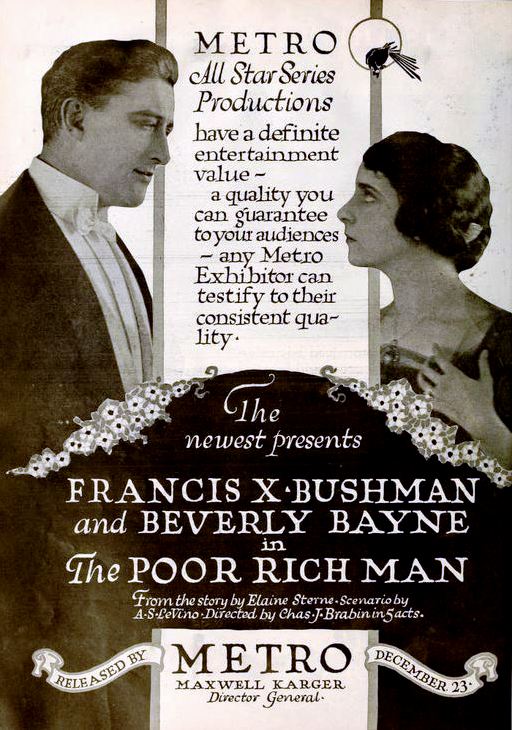
In The Poor Rich Man, Charles Brabin pushes the boundaries of conventional narrative. The film's unique approach to its subject matter has sparked endless debates and interpretations among cinephiles and critics alike.
| Cinematography | High-Contrast |
| Soundtrack | Synth-Heavy |
| Editing | Rhythmic |
| Art Direction | Naturalist |
Visualizing the convergence of Charles Brabin's style and the core cult narrative.
The son of millionaire James Carter, Vantyne deliberately shuns work, which sickens his father, he decides to test his son's ability to become self-sufficient. Carter, Sr. has his lawyer report that he has been killed on a hunting trip, and at the reading of the will, Van learns that, unless he can support himself within six months with only an old farmhouse left to him as working capital, he will lose the family fortune to his cousin Teddy Brown. Van immediately gets busy and, with the help of Arizona Brown, a visiting Westerner with whom he has fallen in love, turns the old farm into a thriving and very fashionable resort. His chance of becoming a millionaire fading fast, Teddy arranges with actress Edith Trentoni to ruin the hotel's reputation by means of a kitchen strike and a jewel robbery. He succeeds, but old Carter finally appears to turn the villain out and proclaim Van and Arizona a successful team.
Decades after its release, The Poor Rich Man remains a vital piece of the cinematic puzzle. Its influence can be seen in countless modern works, solidifying Charles Brabin's status as a master of the craft in United States and beyond.