
DbcultAccessing Vault...
Director's Spotlight
Senior Film Conservator
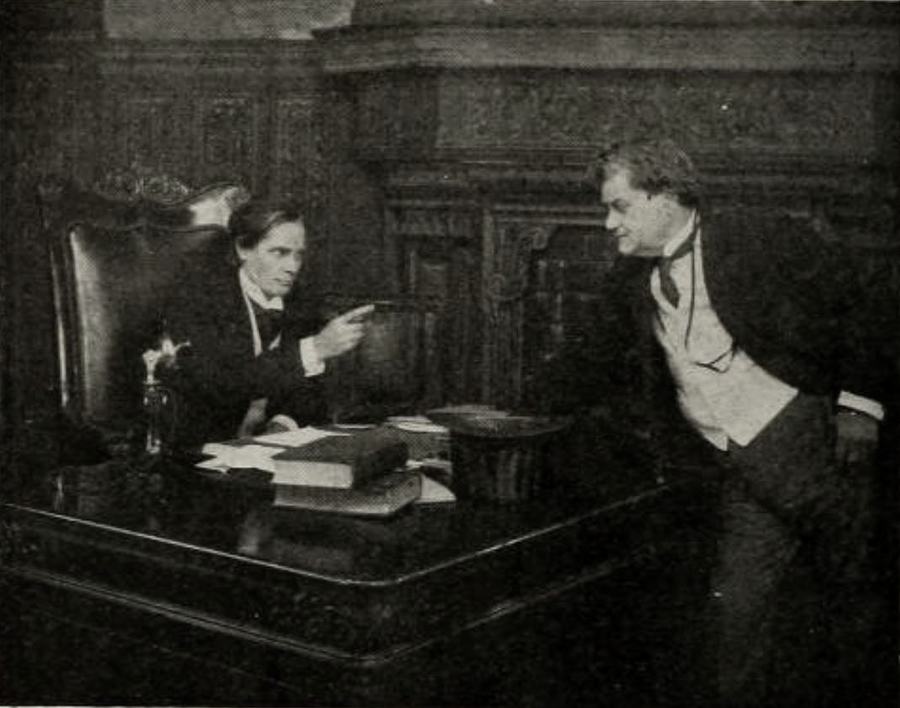
Director's Spotlight: United States
A Deep Dive into the 1915 Vision of Charles E. Davenport
Witnessing the stylistic transformation of cult through The Governor's Boss reveals the provocative questions that Charles E. Davenport poses to the United States audience. Exploring the nuances of the human condition with cult flair, it showcases the power of cult as a tool for social commentary.
In The Governor's Boss, Charles E. Davenport pushes the boundaries of conventional narrative. The film's unique approach to its subject matter has sparked endless debates and interpretations among cinephiles and critics alike.
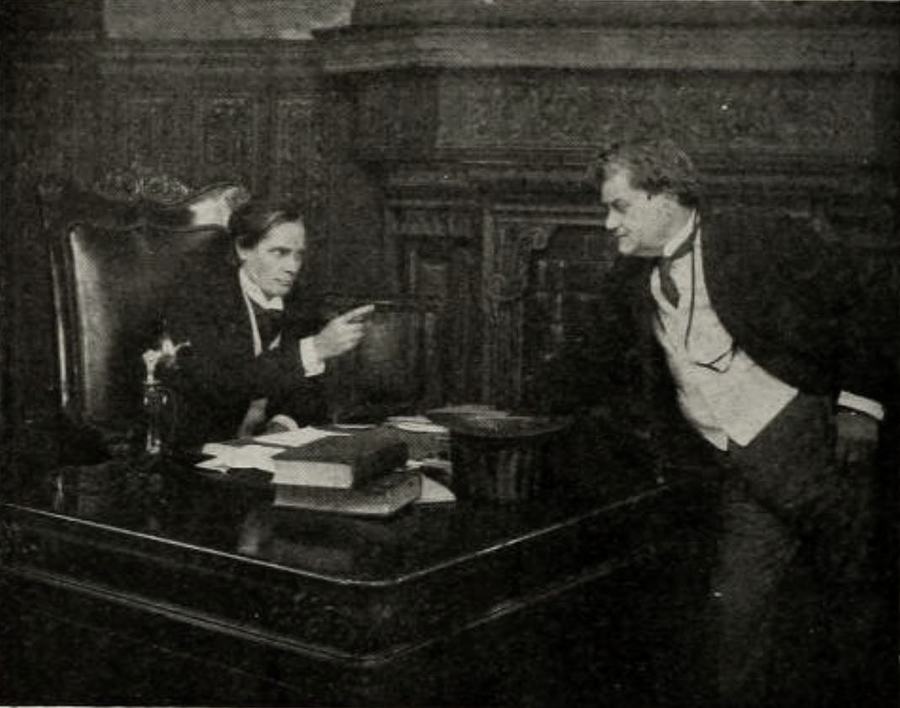
While deeply rooted in United States, The Governor's Boss has achieved a global reach, influencing directors from various backgrounds. Its ability to translate cult tropes into a universal cinematic language is why it remains a cult staple decades after its 1915 release.
| Cinematography | Handheld |
| Soundtrack | Diegetic |
| Editing | Elliptical |
| Art Direction | Expressionist |
Visualizing the convergence of Charles E. Davenport's style and the core cult narrative.
An honest man, elected Governor of New York, refuses to appoint a man chosen by Boss Tally, the party leader, to an important position having jurisdiction over a large amount of state funds, even though Tally threatens to have the governor removed from office. In revenge, Tally persuades his son Archie to break his engagement to the governor's daughter Ruth. After Tally and his political lieutenants work out a plan to frame the governor so that he will be impeached, a clerk in Tally's office, who is Ruth's friend, informs her of the plot. Ruth and her friend get a dictagraph record and motion pictures from a hidden camera of the boss and his aides conspiring. When Tally has the trial rushed, the governor's lawyer requests a postponement until Ruth arrives with her evidence, but this is denied. Detained by Tally's thugs, Ruth races in an auto to the courtroom, but she arrives too late to stop the governor from being impeached on the first ballot.
Decades after its release, The Governor's Boss remains a vital piece of the cinematic puzzle. Its influence can be seen in countless modern works, solidifying Charles E. Davenport's status as a master of the craft in United States and beyond.