
DbcultAccessing Vault...
Director's Spotlight
Senior Film Conservator
Director's Spotlight: United States
A Deep Dive into the 1913 Vision of Charles Farley
Exploring the cult underpinnings of The Romance of the Utah Pioneers leads us to the uncompromising vision of Charles Farley that defines this cult masterpiece. Melding the raw energy of United States with a global cult appeal, it echoes the profound changes occurring in United States during that era.
In The Romance of the Utah Pioneers, Charles Farley pushes the boundaries of conventional narrative. The film's unique approach to its subject matter has sparked endless debates and interpretations among cinephiles and critics alike.
In this work, Charles Farley explores the intersection of cult and United States cultural identity. The meticulous attention to detail suggests a deep-seated commitment to pushing the boundaries of the medium, ensuring that The Romance of the Utah Pioneers remains a relevant topic of study for cult enthusiasts.
| Cinematography | High-Contrast |
| Soundtrack | Minimalist |
| Editing | Slow-Burn |
| Art Direction | Brutalist |
Visualizing the convergence of Charles Farley's style and the core cult narrative.
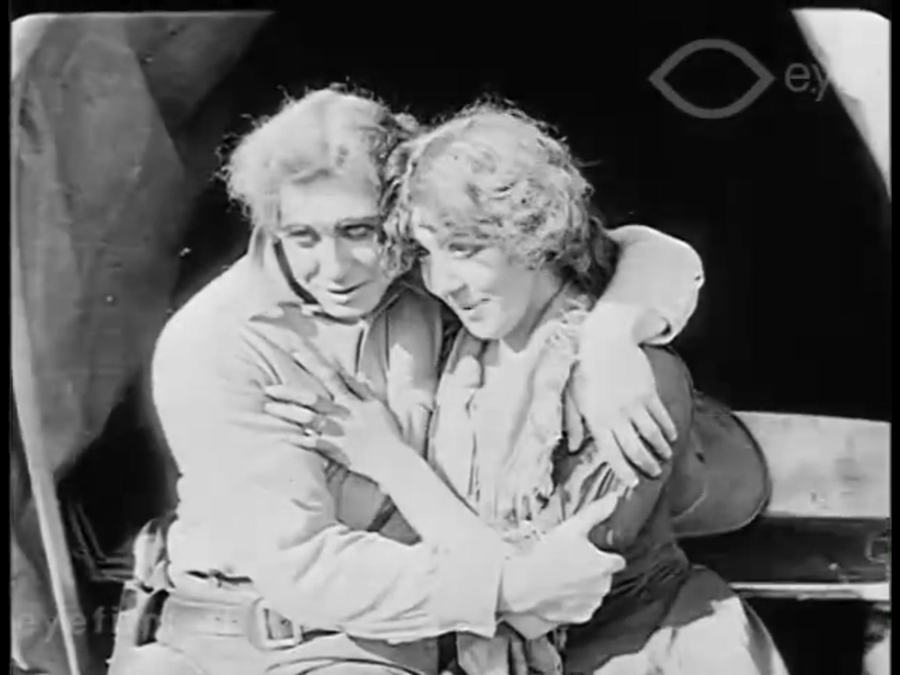
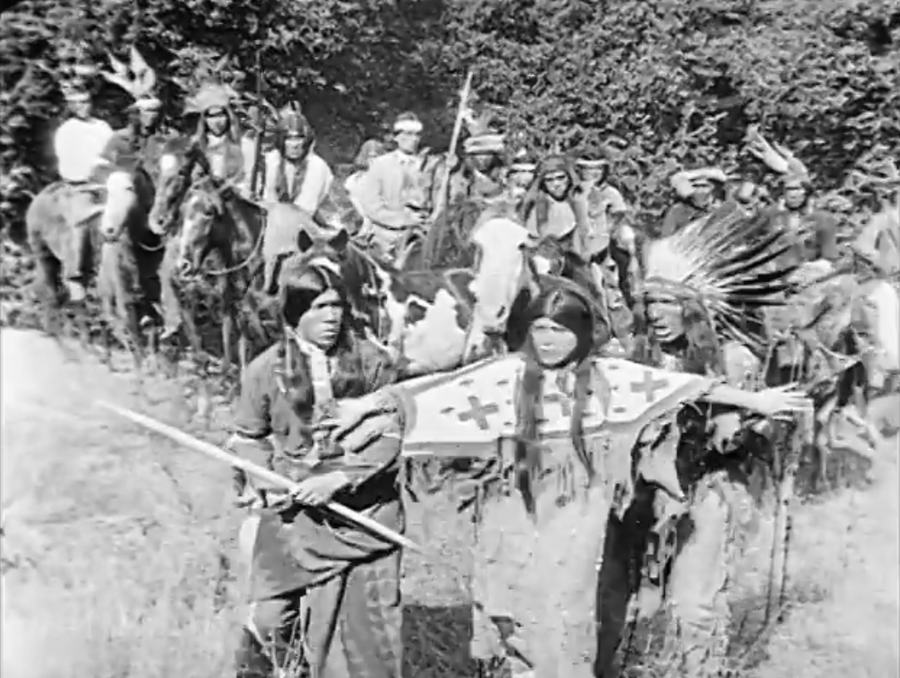
Edward Martin and Alice, married, start out for Salt Lake with the "Hand Cart immigrants," so-called because a number of the adventurers pushed and pulled their belongings ahead of them on small, rough carts. Edward Martin is made Captain of the train. The Indian tribes are at peace and little Watana and Mountain Pine make love as Watana weaves her pretty baskets. Unfortunately the Mexican raiders are in the vicinity, capturing Indians and selling them into slavery. Watana is seized and taken away and is made love to by the guide. Mountain Pine traces her and rides back and arouses the Indians, who steal up on the marauders and annihilate them. Watana and other Indians are rescued. The Indians are flushed with victory and consumed with hatred for all pale faces. They see the Hand Cart immigrants and determine to attack them. Edward Martin and his followers have had a hard time. The guide is killed by falling over a cliff and the party is lost. Starvation and thirst stare them in the face and the whole party is suffering intensely. Little Watana has had her meed of suffering and determines to try and save the immigrants. She pleads with Mountain Pine and the old chief and they listen to her, and instead of attacking the party decide to help them. The immigrants find water, which revives them and sustains them long enough to allow Watana to bring them provisions. Little Watana is puzzled when Alice kisses her, but she decides that the practice is a good one and imparts the experience to the astonished Mountain Pine, who also thinks it nice.
Decades after its release, The Romance of the Utah Pioneers remains a vital piece of the cinematic puzzle. Its influence can be seen in countless modern works, solidifying Charles Farley's status as a master of the craft in United States and beyond.