
DbcultAccessing Vault...
Director's Spotlight
Senior Film Conservator
Director's Spotlight: United States
A Deep Dive into the 1920 Vision of Charles Giblyn
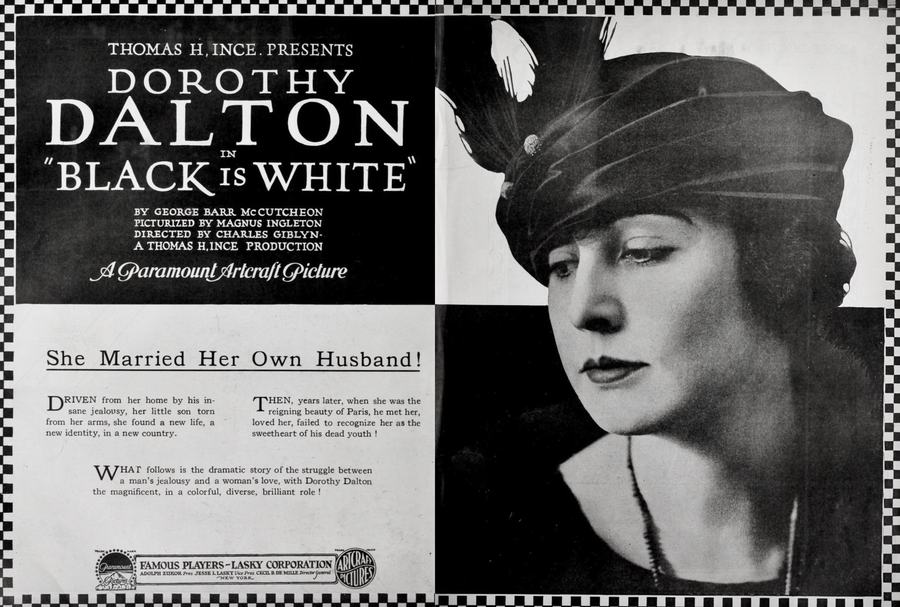
When we examine the cinematic landscape of United States, Black Is White emerges as a landmark work of the unique directorial voice that Charles Giblyn brought to the screen. This film stands as a masterclass in visual storytelling, it demands to be seen by anyone who cares about the art of film.
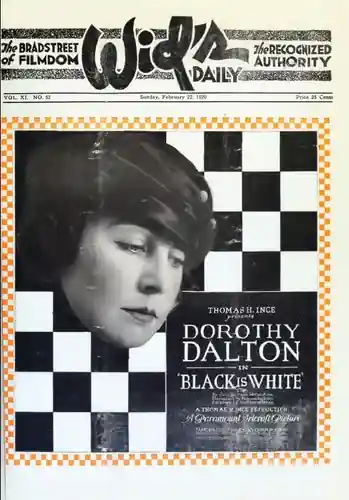
In Black Is White, Charles Giblyn pushes the boundaries of conventional narrative. The film's unique approach to its subject matter has sparked endless debates and interpretations among cinephiles and critics alike.
| Cinematography | Noir-Inspired |
| Soundtrack | Diegetic |
| Editing | Elliptical |
| Art Direction | Expressionist |
Visualizing the convergence of Charles Giblyn's style and the core Drama narrative.
Jim Brood's insane jealousy drives his wife Margaret away, forcing her to leave her son Fred behind and go to live with her twin sister Theresa, an invalid. When a rich baron wishes to adopt Theresa as his daughter, Theresa dies and Margaret assumes her identity. Twenty years later, Margaret and Jim meet again. Not realizing that she is his first wife, Jim proposes to Margaret and she marries him to be near her son. Jim's jealousy rages when he suspects Margaret of having an affair with Fred, in his anger, he shoots and wounds his son. When Margaret can no longer conceal her motherly concern for the wounded Fred, Jim discovers her true identity and the three are reconciled.
Decades after its release, Black Is White remains a vital piece of the cinematic puzzle. Its influence can be seen in countless modern works, solidifying Charles Giblyn's status as a master of the craft in United States and beyond.