
DbcultAccessing Vault...
Director's Spotlight
Senior Film Conservator
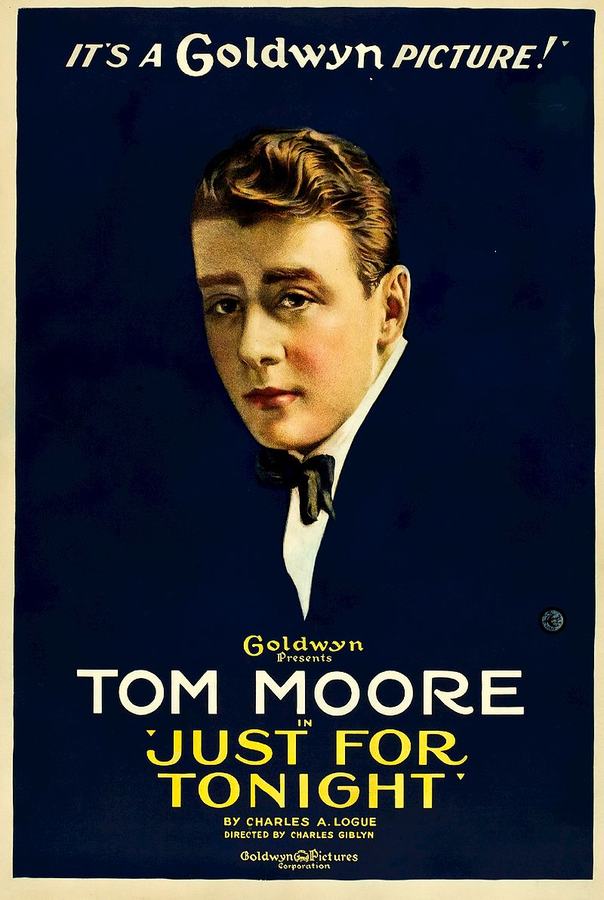
Director's Spotlight: United States
A Deep Dive into the 1918 Vision of Charles Giblyn
The cult DNA of Just for Tonight is a reflection of United States's the subversive storytelling techniques employed by Charles Giblyn in 1918. Breaking the traditional rules of cult engagement, it leaves an indelible mark on the soul of the viewer.
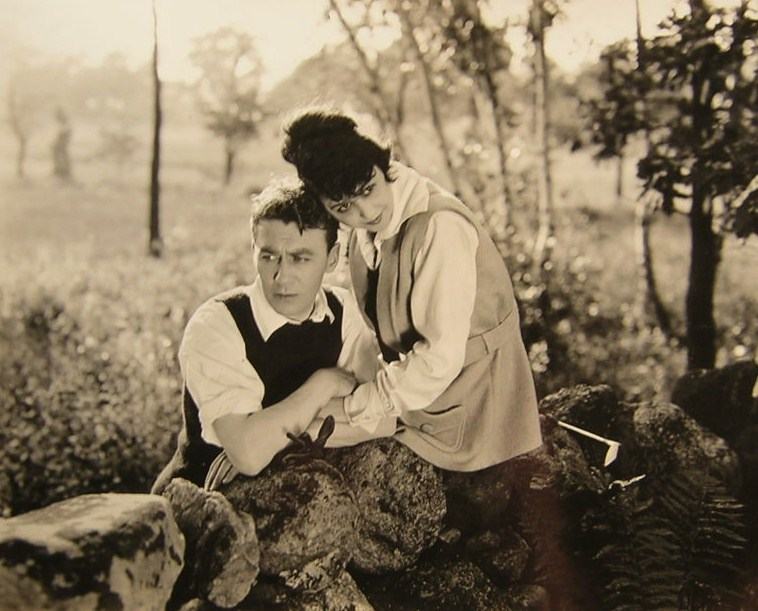
In Just for Tonight, Charles Giblyn pushes the boundaries of conventional narrative. The film's unique approach to its subject matter has sparked endless debates and interpretations among cinephiles and critics alike.
| Cinematography | Handheld |
| Soundtrack | Synth-Heavy |
| Editing | Rhythmic |
| Art Direction | Naturalist |
Visualizing the convergence of Charles Giblyn's style and the core cult narrative.
Theodore Whitney, Sr. commissions his son Theodore, "Ted" Jr., to retrieve a missing stock certificate. On the road, Ted meets and falls in love with Betty Blake, the beautiful but elusive niece of Major Blackburn, whose home was recently robbed. When a detective disguised as British nobleman Lord Roxenham arrives to investigate the case, Ted bribes the officer to let him play the role for one night so that he may be near Betty. As the love struck young man is romancing his sweetheart, Lady Roxenham suddenly arrives, alienating Betty and throwing Ted into a panic. Lady Roxenham agrees to participate in the deception, but later Ted spies her breaking into the major's safe. After he alerts the household, she and the butler are revealed as notorious thieves. Betty, who had been trying to purchase Whitney's stock, accepts Ted's marriage proposal, and the profits are shared between the two.
Decades after its release, Just for Tonight remains a vital piece of the cinematic puzzle. Its influence can be seen in countless modern works, solidifying Charles Giblyn's status as a master of the craft in United States and beyond.