
DbcultAccessing Vault...
Director's Spotlight
Senior Film Conservator
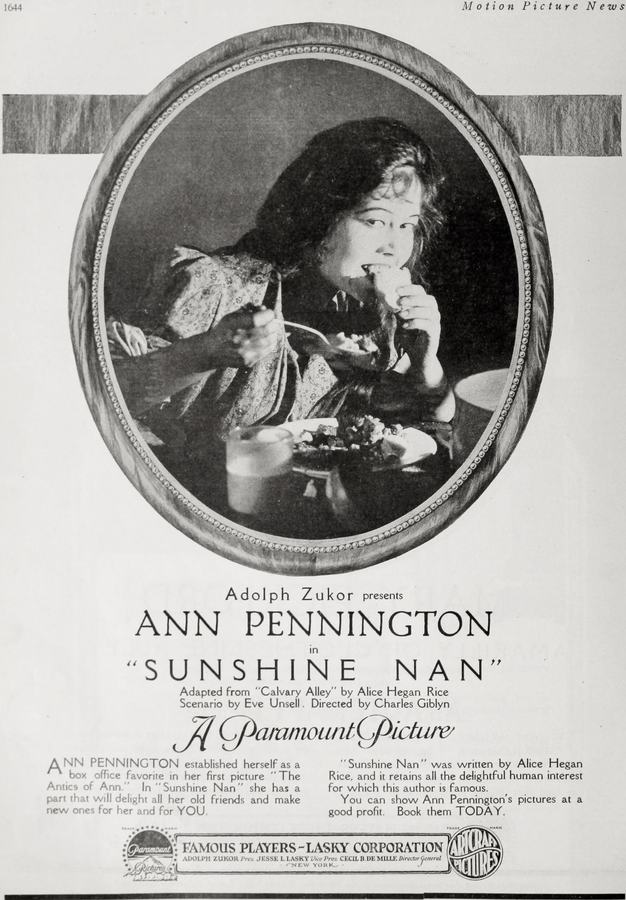
Director's Spotlight: United States
A Deep Dive into the 1918 Vision of Charles Giblyn
Few works in United States cinema carry the same weight as Sunshine Nan, especially regarding the technical innovation that Charles Giblyn introduced to the cult format. Subverting the expectations of the typical 1918 audience, it bridges the gap between traditional cult and contemporary vision.
In Sunshine Nan, Charles Giblyn pushes the boundaries of conventional narrative. The film's unique approach to its subject matter has sparked endless debates and interpretations among cinephiles and critics alike.
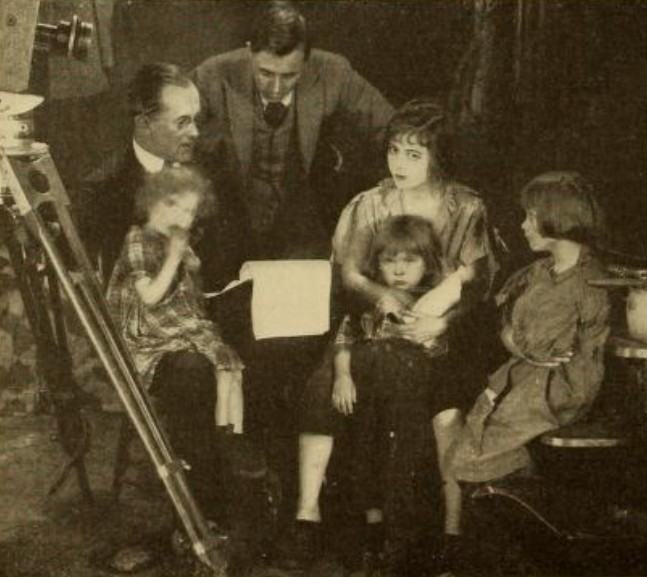
To fully appreciate Sunshine Nan, one must consider the cinematic climate of 1918. During this period, United States was undergoing significant artistic shifts, and Charles Giblyn was at the forefront of this cult movement, often challenging established norms.
| Cinematography | Deep Focus |
| Soundtrack | Orchestral |
| Editing | Slow-Burn |
| Art Direction | Brutalist |
Visualizing the convergence of Charles Giblyn's style and the core cult narrative.
Nance Molloy's cheerful disposition, in sharp contrast to the slum near the cathedral where she and her parents make their home, earns her the nickname "Sunshine Nan." However, her fights with the cathedral choirboys, led by MacPherson Clark, gets her into trouble. For interfering in a family squabble, she and her pal, Dan Lewis, are sent to reform school for five years, and upon her release, she becomes a stenographer in the elder Clark's shoe factory. Dan meanwhile has taken a job in the factory's chemical department, where he invents a dye process that promises to make him rich. In trouble over a woman, MacPherson decides to steal the formula and present it to his father as his own. Nan enters the lab just as MacPherson is copying Dan's formula, and the two old enemies begin to fight. Dan joins in the scuffle, but when some chemicals spill, the lab is enveloped in fire. Dan rescues Nan, and MacPherson, awakening in the hospital, remorsefully confesses his crime. Nan and Dan soon marry and the alley's name is changed to "Cathedral Court."
Decades after its release, Sunshine Nan remains a vital piece of the cinematic puzzle. Its influence can be seen in countless modern works, solidifying Charles Giblyn's status as a master of the craft in United States and beyond.