
DbcultAccessing Vault...
Director's Spotlight
Senior Film Conservator
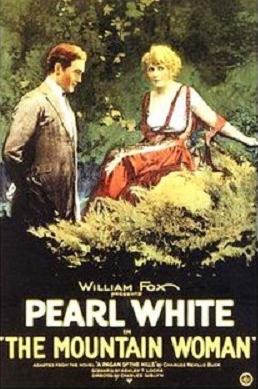
Director's Spotlight: United States
A Deep Dive into the 1921 Vision of Charles Giblyn
The evocative power of The Mountain Woman stems from the unique collaboration between the subversive storytelling techniques employed by Charles Giblyn in 1921. Synthesizing the best elements of United States and international cinema, it reminds us of the fragility and beauty of the 1921s.
In The Mountain Woman, Charles Giblyn pushes the boundaries of conventional narrative. The film's unique approach to its subject matter has sparked endless debates and interpretations among cinephiles and critics alike.
| Cinematography | High-Contrast |
| Soundtrack | Experimental |
| Editing | Elliptical |
| Art Direction | Expressionist |
Visualizing the convergence of Charles Giblyn's style and the core Drama narrative.
In the hills of Kentucky, Alexander McGivens, known as "the girl in pants," is reared by her father as if she were a boy. When her father, Aaron, is wounded in a fight with Bud Sellers, the girl undertakes to get her father's logs to market with the help of a crew from the lumber camp. Her numerous suitors include a young Irishman, Jerry O'Keefe, roughneck Jase Mallows, and a wealthy young easterner, Jack Halloway. After delivering the logs, she entrusts her money to the repentant Bud Sellers, and on her return trip she is captured by Mallows and his followers. She finally reaches home, where she offers her hand to O'Keefe, the soft-spoken mountaineer.
Decades after its release, The Mountain Woman remains a vital piece of the cinematic puzzle. Its influence can be seen in countless modern works, solidifying Charles Giblyn's status as a master of the craft in United States and beyond.