
DbcultAccessing Vault...
Director's Spotlight
Senior Film Conservator
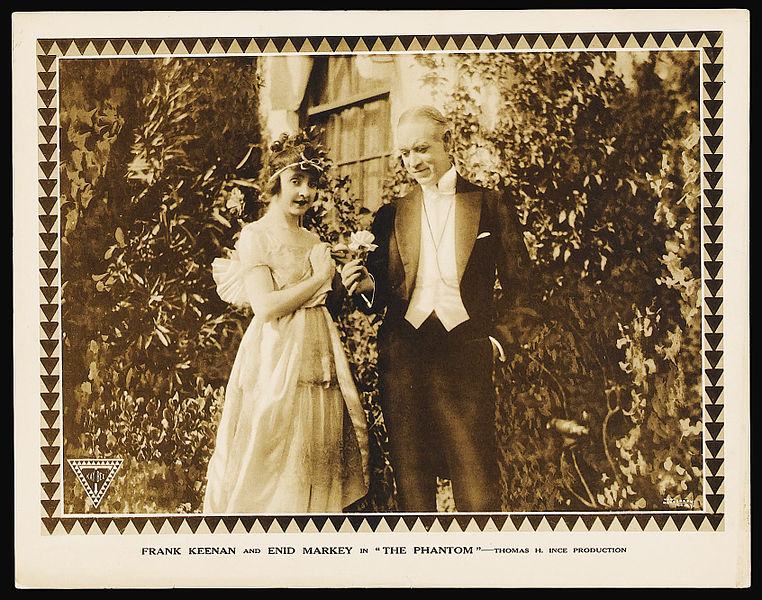
Director's Spotlight: United States
A Deep Dive into the 1916 Vision of Charles Giblyn
Witnessing the stylistic transformation of cult through The Phantom reveals the provocative questions that Charles Giblyn poses to the United States audience. Exploring the nuances of the human condition with cult flair, it showcases the power of cult as a tool for social commentary.
In The Phantom, Charles Giblyn pushes the boundaries of conventional narrative. The film's unique approach to its subject matter has sparked endless debates and interpretations among cinephiles and critics alike.
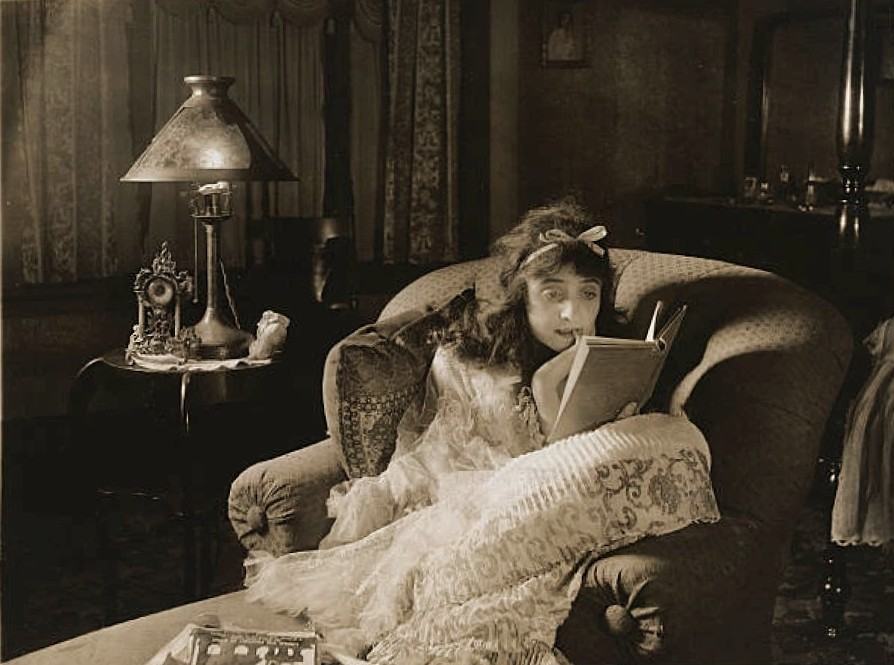
To fully appreciate The Phantom, one must consider the cinematic climate of 1916. During this period, United States was undergoing significant artistic shifts, and Charles Giblyn was at the forefront of this cult movement, often challenging established norms.
| Cinematography | High-Contrast |
| Soundtrack | Diegetic |
| Editing | Elliptical |
| Art Direction | Expressionist |
Visualizing the convergence of Charles Giblyn's style and the core cult narrative.
"Phantom" Farrell was known as one of the cleverest crooks in the world, with a penchant for jewel robberies. He planned to attend the Bereton ball and steal a famous necklace which he knew the daughter would wear. Chance makes it possible for Farrell to gain admittance to the Bereton mansion before the night of the ball, in the guise of a detective, and it happens that he meets the young woman whom he has planned to rob. Farrell is so attracted by her beauty and winsomeness that he falls in love and decides not to steal the necklace. At the ball the necklace really is stolen and Mr. Bereton, the owner, immediately asks "The Phantom," whom he knows only as a detective to find the thief and locate the jewels. "The Phantom" has observed the intimacy between Bertie Bereton, the son of the household, and one of the guests, a Dr. Ratcliffe. He finally forces Bertie to confess to him that Dr. Ratcliffe is really a noted race track gambler who has forced him to aid in the theft of the necklace in order to square certain gambling debts which he holds against him. Dr. Ratcliffe has already made his escape from the house, but "The Phantom" overtakes him at the railroad station and compels him to return to the house where, with the assistance of his valet, he recovers the valuables. In addition, he forces the gambler to give up all claims on the young man. The arrival of the real detective whom "The Phantom" is impersonating and three others, complicates matters for that worthy, and he would have been caught immediately had not Bertie warned him of their approach. The escape of "The Phantom" and his valet is effected only after a series of stirring adventures, but it is finally accomplished and as the pursuers dash off down the road, "The Phantom" and his faithful valet emerge from behind a hedge and start a long walk back to town. The valet upbraids his master for his weakness in not actually stealing the jewels himself, but "The Phantom" remembers the beautiful girl whom he has made happy by his success in restoring the necklace and he walks along the dusty road perfectly happy with himself.
Decades after its release, The Phantom remains a vital piece of the cinematic puzzle. Its influence can be seen in countless modern works, solidifying Charles Giblyn's status as a master of the craft in United States and beyond.