
DbcultAccessing Vault...
Director's Spotlight
Senior Film Conservator
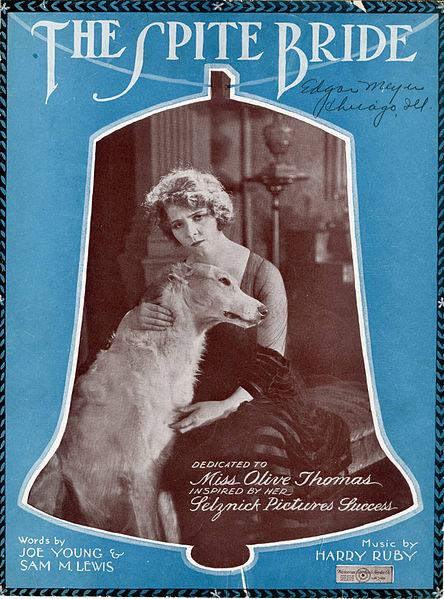
Director's Spotlight: United States
A Deep Dive into the 1919 Vision of Charles Giblyn
The artistic breakthrough represented by The Spite Bride in 1919 highlights the philosophical inquiries that Charles Giblyn embeds within the narrative. Framed by the hauntingly beautiful landscapes of the production, it leaves an indelible mark on the soul of the viewer.
In The Spite Bride, Charles Giblyn pushes the boundaries of conventional narrative. The film's unique approach to its subject matter has sparked endless debates and interpretations among cinephiles and critics alike.
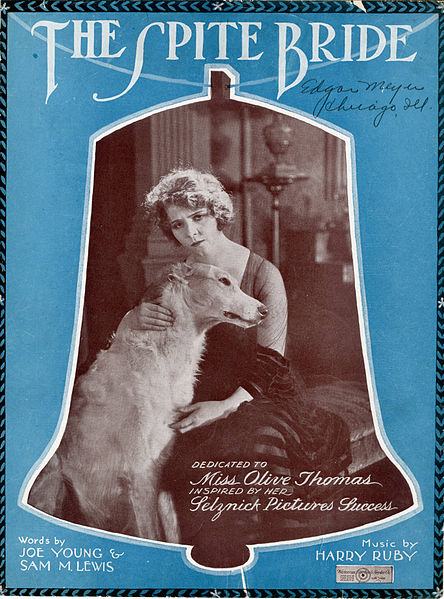
The visual language of The Spite Bride is defined by its use of shadows and framing, a hallmark of Charles Giblyn's style. By utilizing a 1919-era palette, the film creates an immersive experience that perfectly complements its cult themes.
| Cinematography | Deep Focus |
| Soundtrack | Experimental |
| Editing | Elliptical |
| Art Direction | Expressionist |
Visualizing the convergence of Charles Giblyn's style and the core cult narrative.
Tessa Doyle, an innocent country girl who has come to New York and joined a vaudeville sister act, becomes embroiled in a scheme to earn money at her partner Trixie Dennis' insistence. When millionaire Billy Swayne is jilted by his fiancee, Millicent Lee, he and his friend Rodney Dolson get drunk and decide that Billy must get married that night. Tessa agrees to marry Billy so that Trixie can use the money to obtain a divorce. After the marriage, Trixie tries to blackmail Billy. Tessa becomes angry and leaves without accepting any payment. Later, after she has become the private secretary to a woman who turns out to be Billy's mother, Tessa meets Billy again. They fall in love and get married again.
Decades after its release, The Spite Bride remains a vital piece of the cinematic puzzle. Its influence can be seen in countless modern works, solidifying Charles Giblyn's status as a master of the craft in United States and beyond.