
DbcultAccessing Vault...
Director's Spotlight
Senior Film Conservator
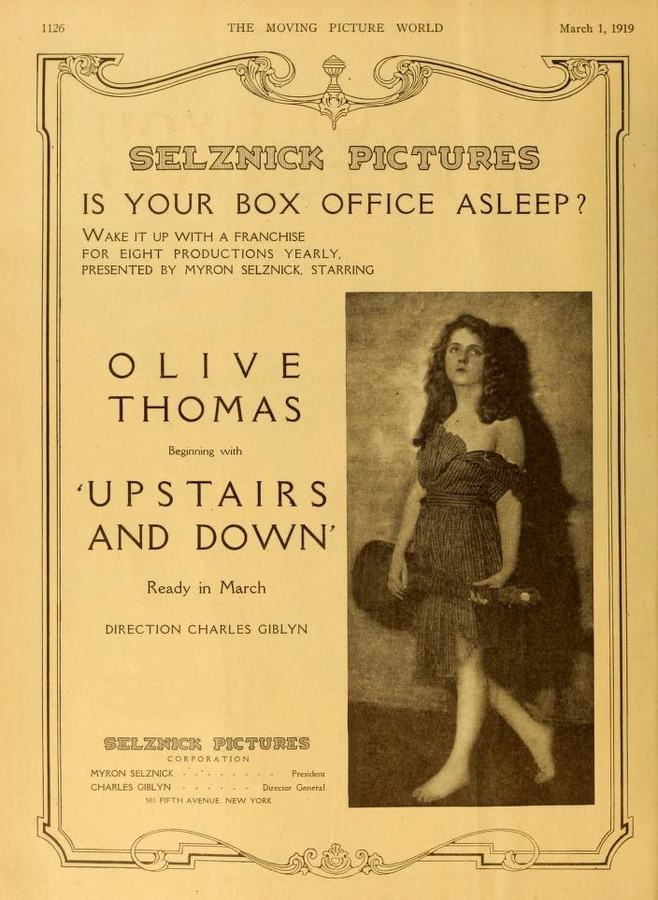
Director's Spotlight: United States
A Deep Dive into the 1919 Vision of Charles Giblyn
The cult DNA of Upstairs and Down is a reflection of United States's the subversive storytelling techniques employed by Charles Giblyn in 1919. Breaking the traditional rules of cult engagement, it leaves an indelible mark on the soul of the viewer.
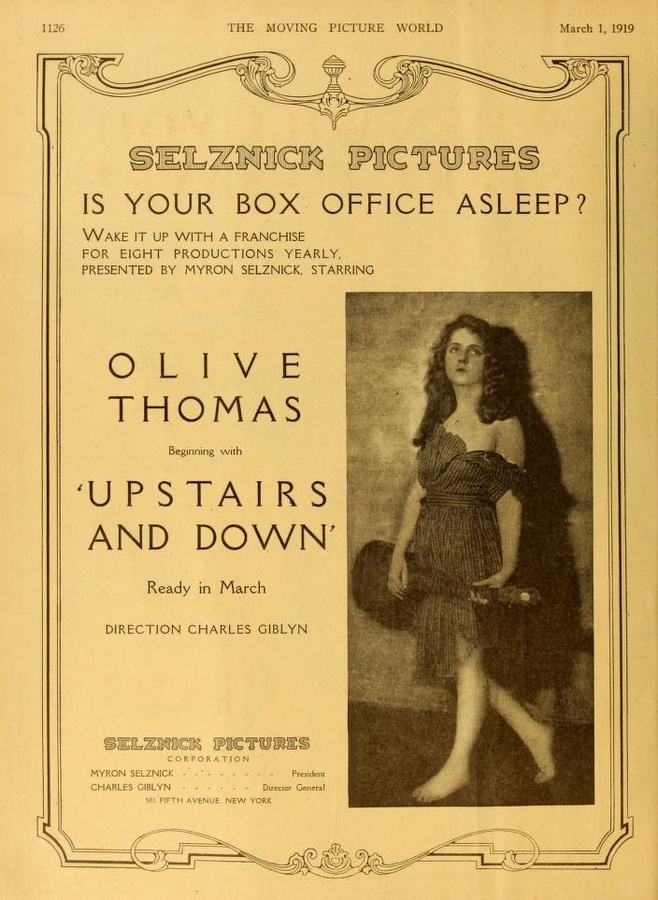
In Upstairs and Down, Charles Giblyn pushes the boundaries of conventional narrative. The film's unique approach to its subject matter has sparked endless debates and interpretations among cinephiles and critics alike.
| Cinematography | Static |
| Soundtrack | Experimental |
| Editing | Invisible |
| Art Direction | Kitsch |
Visualizing the convergence of Charles Giblyn's style and the core cult narrative.
Alice Chesterton (Olive Thomas) is described as a "Baby Vamp" by the social set and engaged to boring Tom Carey. She flirts with many of the male guests idling at the Ives' Long Island house party, then encourages Terence O'Keefe, a playboy polo player from Ireland in New York to purchase horses for the British army, to rendezvous with her in the city, they are seen together at the "Midnight Frolic." Because of this, Mrs. Ives convinces Alice's newly-arrived sister Betty to look after Alice. Betty arranges for Terence to find her in an auto wreck where he revives her with a kiss. Genuinely in love with each other, they plan to marry, until the jealous Alice tells Betty that Terence "ruined" her. When Betty accuses Terence, he makes Alice confess her to her lies. Tom, encouraged by Terence's advice, overwhelms Alice with his "caveman" tactics. At the end, the servants, who have observed the upstairs activities, emulate their masters' flirting mannerisms.
Decades after its release, Upstairs and Down remains a vital piece of the cinematic puzzle. Its influence can be seen in countless modern works, solidifying Charles Giblyn's status as a master of the craft in United States and beyond.