
DbcultAccessing Vault...
Director's Spotlight
Senior Film Conservator
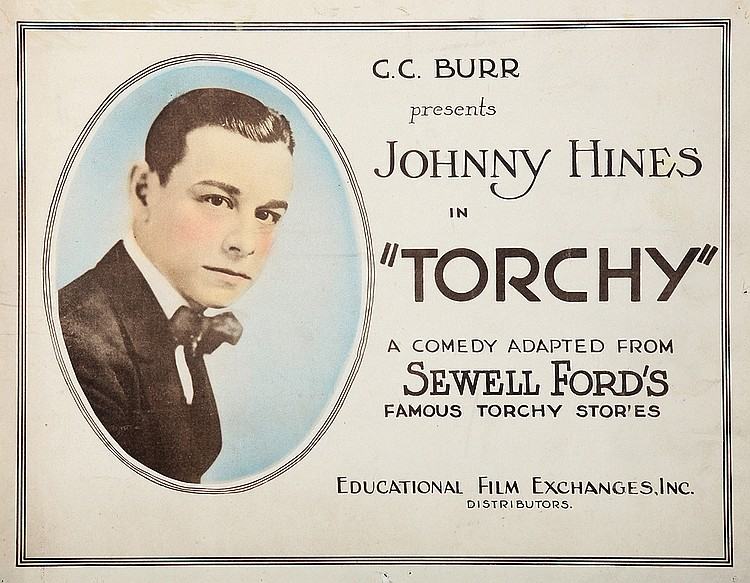
Director's Spotlight: United States
A Deep Dive into the 1920 Vision of Charles Hines
Witnessing the stylistic transformation of Comedy through Torchy reveals the provocative questions that Charles Hines poses to the United States audience. Exploring the nuances of the human condition with Comedy flair, it showcases the power of Comedy as a tool for social commentary.
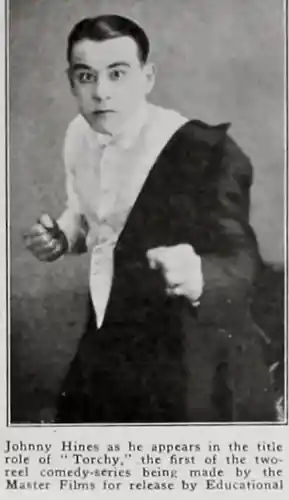
In Torchy, Charles Hines pushes the boundaries of conventional narrative. The film's unique approach to its subject matter has sparked endless debates and interpretations among cinephiles and critics alike.
| Cinematography | Handheld |
| Soundtrack | Diegetic |
| Editing | Rhythmic |
| Art Direction | Naturalist |
Visualizing the convergence of Charles Hines's style and the core Comedy narrative.
"Torchy" is a pert office boy. He secures his first situation by sending all other applicants for it to the story below and assumes that he is already hired. He has attracted the attention of the boss, who is looking for a live boy, and this saves him from being fired at once. He shows the boss how to wake up a lazy girl at a telephone switch board and this constitutes his first day's work. He manages to get the evening job of a check boy at a fashionable restaurant and dancing cabaret. While engaged in checking the wraps of guests and picking up tips, he becomes interested in an impulsive young lady who is bored by conventions and looking around for something new. "Torchy" elects to dance with her, but he cannot go on the floor in his uniform. He snatches off the dress coat and waistcoat of a terrified young man and sails out on the dancing floor with the venturesome young lady. Their dance is different - it is the sensation of the evening - but the young lady's mother intervenes and "Torchy" is sent back to his job in the cloak room. When the evening is over, he is seen riding on the rear axle of a limousine, puffing a cigarette, murmuring "home James."
Decades after its release, Torchy remains a vital piece of the cinematic puzzle. Its influence can be seen in countless modern works, solidifying Charles Hines's status as a master of the craft in United States and beyond.