
DbcultAccessing Vault...
Director's Spotlight
Senior Film Conservator
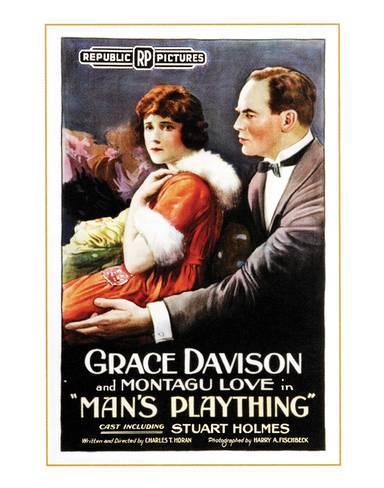
Director's Spotlight: United States
A Deep Dive into the 1920 Vision of Charles Horan
Peeling back the layers of Charles Horan's Man's Plaything exposes the technical innovation that Charles Horan introduced to the Drama format. Driven by an uncompromising commitment to Drama excellence, it stands as the definitive 1920 statement on Drama identity.
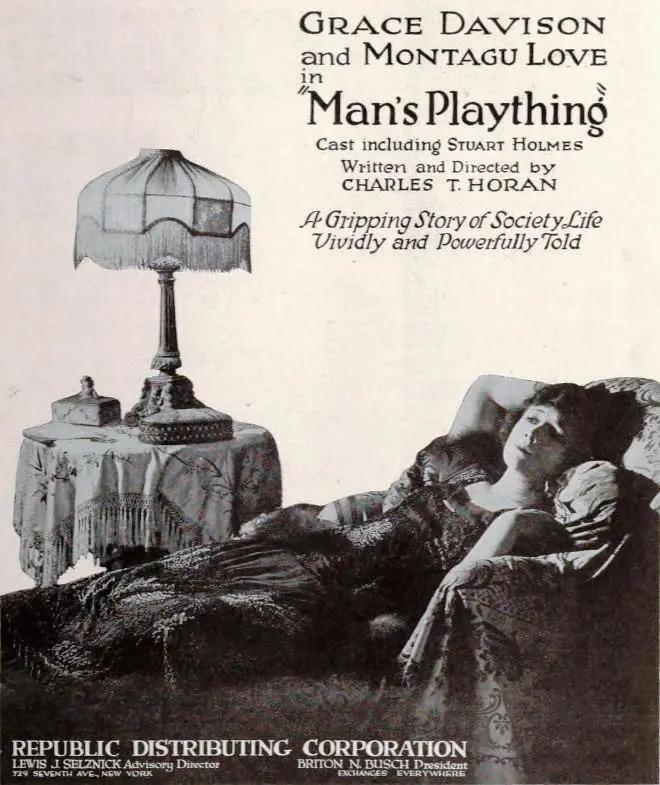
In Man's Plaything, Charles Horan pushes the boundaries of conventional narrative. The film's unique approach to its subject matter has sparked endless debates and interpretations among cinephiles and critics alike.
| Cinematography | Handheld |
| Soundtrack | Experimental |
| Editing | Elliptical |
| Art Direction | Expressionist |
Visualizing the convergence of Charles Horan's style and the core Drama narrative.
While working as a flower girl in Devlin Maddox's nightclub, Nellie Vaughan meets wealthy young Pelton Van Teel and falls in love. Maddox, desirous of using Nellie to blackmail Van Teel, spreads a rumor that she is his mistress. This makes Nellie uncomfortable, and she demands that Van Teel marry her immediately, to which he agrees. Meanwhile, Van Teel has been losing money gambling to Maddox, who threatens to break up the marriage by producing a worthless check that the young husband has written. Venturing to Maddox's apartment for a showdown, Nellie pulls a gun and demands the check, accidentally shooting Maddox when he throws a lamp at her. Maddox plans to charge Nellie with assault, but when the police arrive, his butler, actually a detective employed by the elder Van Teel, exposes Maddox, who is then arrested, clearing the path for the couple's happiness.
Decades after its release, Man's Plaything remains a vital piece of the cinematic puzzle. Its influence can be seen in countless modern works, solidifying Charles Horan's status as a master of the craft in United States and beyond.