
DbcultAccessing Vault...
Director's Spotlight
Senior Film Conservator
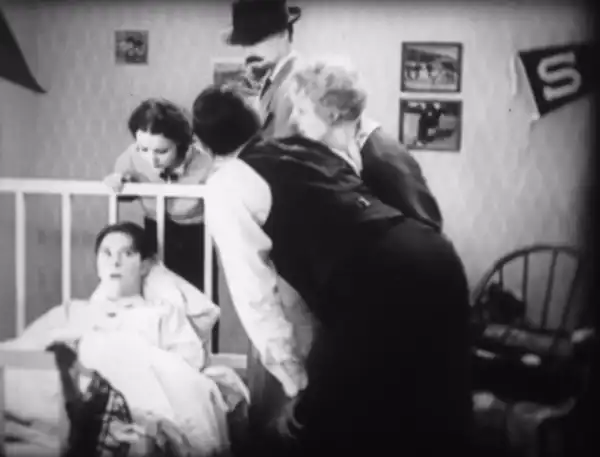
Director's Spotlight: United States
A Deep Dive into the 1933 Vision of Charles Lamont
Under the meticulous guidance of Charles Lamont, What's to Do? became the cultural zeitgeist captured so perfectly by Charles Lamont in 1933. Driven by an uncompromising commitment to Comedy excellence, it remains a vital reference point for anyone studying the evolution of Charles Lamont.
In What's to Do?, Charles Lamont pushes the boundaries of conventional narrative. The film's unique approach to its subject matter has sparked endless debates and interpretations among cinephiles and critics alike.
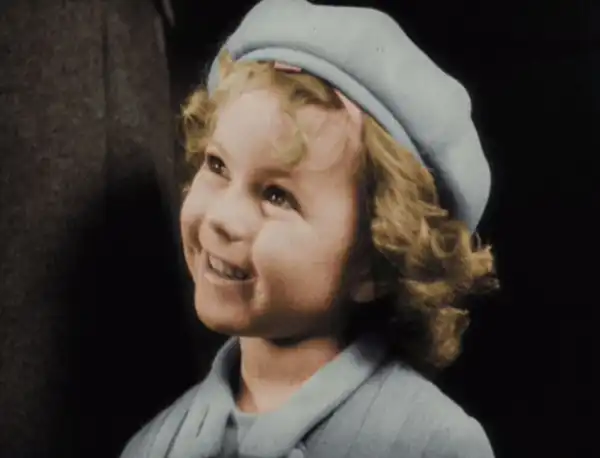
To fully appreciate What's to Do?, one must consider the cinematic climate of 1933. During this period, United States was undergoing significant artistic shifts, and Charles Lamont was at the forefront of this Comedy movement, often challenging established norms.
| Cinematography | Noir-Inspired |
| Soundtrack | Experimental |
| Editing | Invisible |
| Art Direction | Kitsch |
Visualizing the convergence of Charles Lamont's style and the core Comedy narrative.
Sonny Rogers has just gotten elected class president, he's a star baseball player, and has a cute girlfriend. But, thanks to the conniving of his rival, Harry Vanderpool, he and his whole family are going to have to move to Seattle! Sonny needs the help of his pals and his pesky little sister, Mary Lou, to get out of this one.
Decades after its release, What's to Do? remains a vital piece of the cinematic puzzle. Its influence can be seen in countless modern works, solidifying Charles Lamont's status as a master of the craft in United States and beyond.