
DbcultAccessing Vault...
Director's Spotlight
Senior Film Conservator

Director's Spotlight: United States
A Deep Dive into the 1915 Vision of Charles M. Seay
In the storied career of Charles M. Seay, A Daughter of the Sea stands as a the atmospheric immersion that Charles M. Seay achieves throughout A Daughter of the Sea. Reflecting the political and social shifts of the 1915s, it reinforces the idea that cinema is a medium of infinite possibilities.
In A Daughter of the Sea, Charles M. Seay pushes the boundaries of conventional narrative. The film's unique approach to its subject matter has sparked endless debates and interpretations among cinephiles and critics alike.
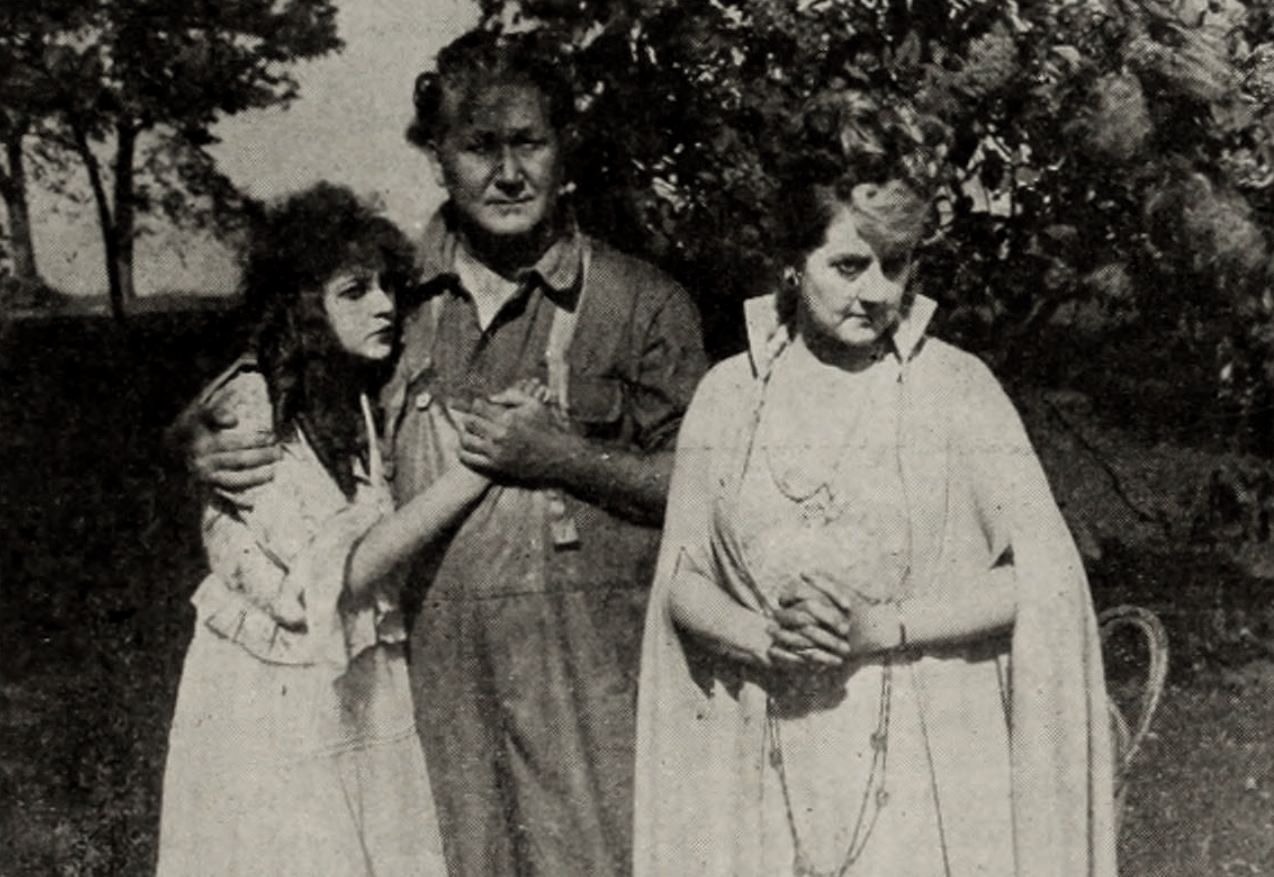
While deeply rooted in United States, A Daughter of the Sea has achieved a global reach, influencing directors from various backgrounds. Its ability to translate cult tropes into a universal cinematic language is why it remains a cult staple decades after its 1915 release.
| Cinematography | Handheld |
| Soundtrack | Diegetic |
| Editing | Rhythmic |
| Art Direction | Naturalist |
Visualizing the convergence of Charles M. Seay's style and the core cult narrative.
Margot, the motherless daughter of a New England fisherman, reads society magazines and dreams of a better life. She falls in love with a photograph of Jack Rutledge, a wealthy heir residing on the other side of the cove. For rescuing her from a burning launch, Jack's mother takes in Margot, a situation that provokes the jealousy of Jack's sister Adele. Enamored of the guileless Margot, Jack proposes marriage, but Mrs. Rutledge intervenes, forcing her son to court a woman of equal social standing. Dejected, Margot begs to go home, but her father insists that because her mother was of high birth, she is worthy of Jack's attentions. Margot learns of Adele's affair with a married man, Alexander Gibson, and warns her against continuing the romance. Believing Margot to be interested in Gibson herself, Adele flies into a jealous rage, and the lover is accidentally shot in the struggle. Margot is accused of the murder and nobly accepts the guilty verdict, but Adele finally vindicates her and she is able to marry Jack.
Decades after its release, A Daughter of the Sea remains a vital piece of the cinematic puzzle. Its influence can be seen in countless modern works, solidifying Charles M. Seay's status as a master of the craft in United States and beyond.