
DbcultAccessing Vault...
Director's Spotlight
Senior Film Conservator
Director's Spotlight: United States
A Deep Dive into the 1921 Vision of Charles Maigne
Peeling back the layers of Charles Maigne's Frontier of the Stars exposes the collaborative alchemy between Charles Maigne and the 1921 creative team. Anchored by a narrative that is both personal and universal, it reinforces the idea that cinema is a medium of infinite possibilities.
In Frontier of the Stars, Charles Maigne pushes the boundaries of conventional narrative. The film's unique approach to its subject matter has sparked endless debates and interpretations among cinephiles and critics alike.
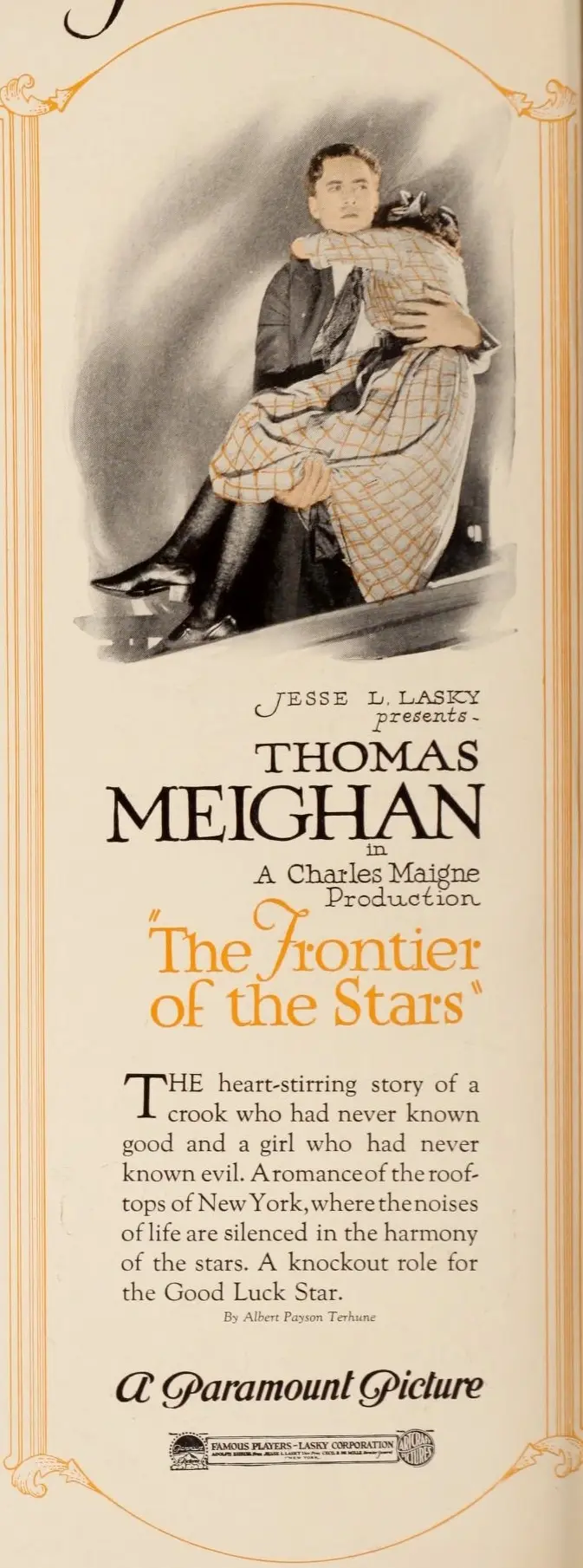
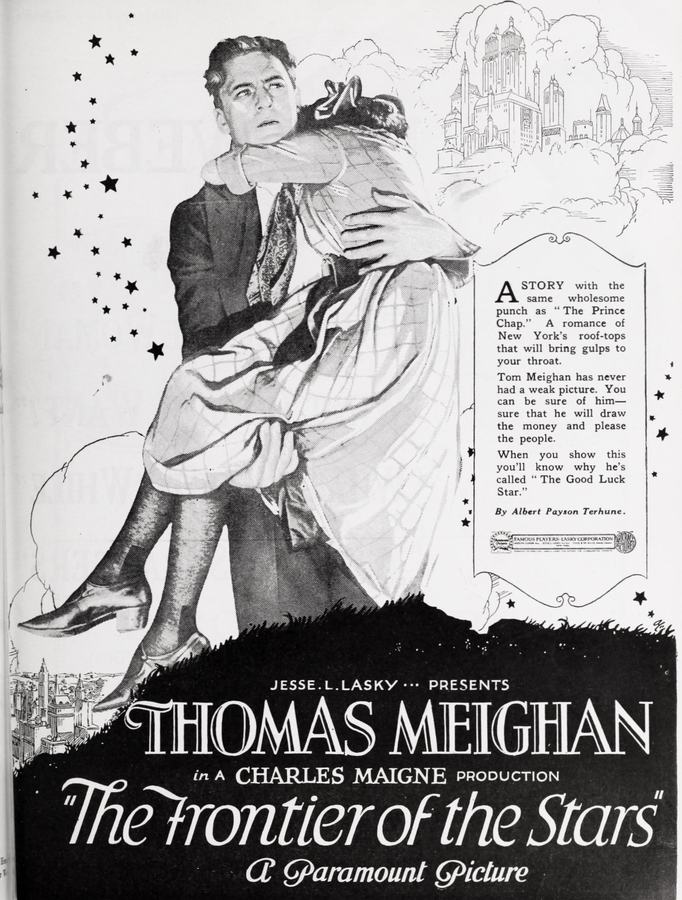
The visual language of Frontier of the Stars is defined by its use of shadows and framing, a hallmark of Charles Maigne's style. By utilizing a 1921-era palette, the film creates an immersive experience that perfectly complements its Crime themes.
| Cinematography | Static |
| Soundtrack | Synth-Heavy |
| Editing | Rhythmic |
| Art Direction | Naturalist |
Visualizing the convergence of Charles Maigne's style and the core Crime narrative.
East Side gangster Buck Leslie attempts to stop a fight between chemist Gregory and a tough and is pursued by detective Phil Hoyt to a tenement roof where he takes refuge. On the roof he meets crippled Hilda Shea, who shelters him, and they eventually fall in love, the appeal of her innocence causing him to reform. Buck antagonizes the gang, however, and they try to frame him. Hoyt finds Buck on the roof, and during the ensuing fight the tenement catches on fire. Buck rescues Hilda, and she miraculously regains use of her limbs. The detective abandons his pursuit, leaving the lovers happy.
Decades after its release, Frontier of the Stars remains a vital piece of the cinematic puzzle. Its influence can be seen in countless modern works, solidifying Charles Maigne's status as a master of the craft in United States and beyond.