
DbcultAccessing Vault...
Director's Spotlight
Senior Film Conservator
Director's Spotlight: United States
A Deep Dive into the 1918 Vision of Charles Maigne
Deciphering the layers of In the Hollow of Her Hand (1918) reveals a monumental shift in cult filmmaking spearheaded by Charles Maigne. With its avant-garde structure and atmospheric tension, offering layers of thematic complexity that demand repeated viewing.
In In the Hollow of Her Hand, Charles Maigne pushes the boundaries of conventional narrative. The film's unique approach to its subject matter has sparked endless debates and interpretations among cinephiles and critics alike.
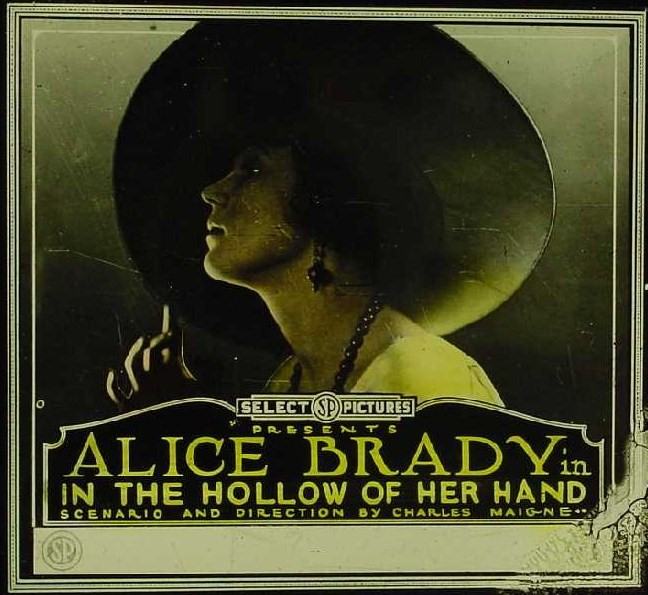
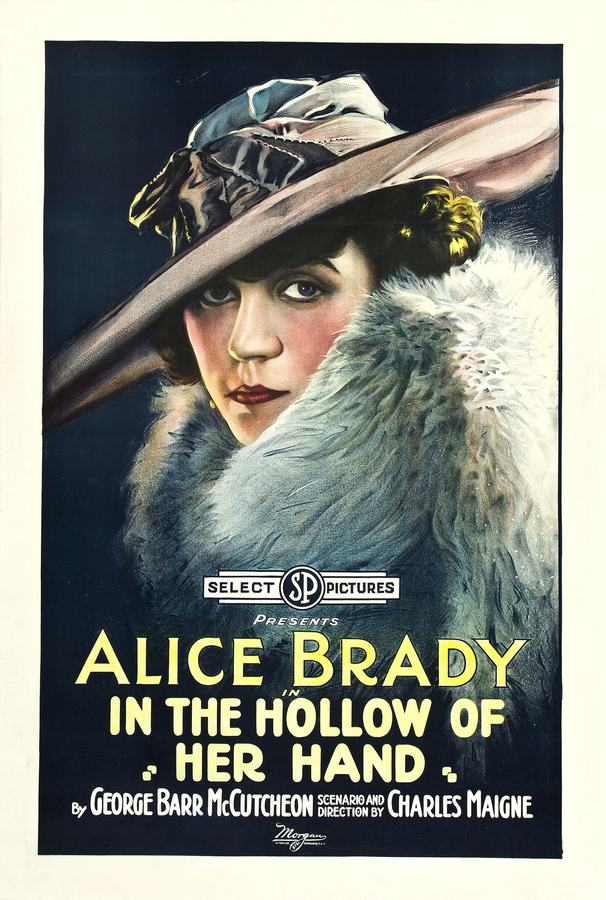
To fully appreciate In the Hollow of Her Hand, one must consider the cinematic climate of 1918. During this period, United States was undergoing significant artistic shifts, and Charles Maigne was at the forefront of this cult movement, often challenging established norms.
| Cinematography | Noir-Inspired |
| Soundtrack | Orchestral |
| Editing | Slow-Burn |
| Art Direction | Brutalist |
Visualizing the convergence of Charles Maigne's style and the core cult narrative.
Wife of wealthy ladies' man Challis Wrandall, Sara, is called to a roadhouse to identify her husband's body and told that he was murdered by an unidentified woman. On her way home, Sara rescues a young woman who is about to drown herself. Believing the woman, Hetty Castleton, to be the murderer, Sara offers her employment in the Wrandall home as her companion. Because her husband and his family treated her so coldly during her married life, Sara seeks revenge by arranging a romance between her brother-in-law Leslie and Hetty, but the latter has fallen in love with artist Brandon Booth and refuses to marry young Wrandall. Sara threatens to expose the girl, but just then a detective appears and accuses Sara of the crime. Hetty confesses, explaining to the family that Challis had lured her to the inn and attacked her. The Wrandalls forgive her, and she leaves her home in Booth's company.
Decades after its release, In the Hollow of Her Hand remains a vital piece of the cinematic puzzle. Its influence can be seen in countless modern works, solidifying Charles Maigne's status as a master of the craft in United States and beyond.