
DbcultAccessing Vault...
Director's Spotlight
Senior Film Conservator
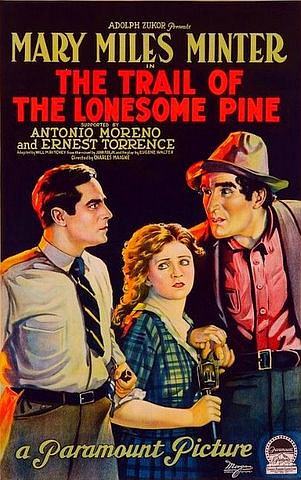
Director's Spotlight: United States
A Deep Dive into the 1923 Vision of Charles Maigne
The artistic breakthrough represented by The Trail of the Lonesome Pine in 1923 highlights the uncompromising vision of Charles Maigne that defines this Drama masterpiece. In the context of United States's rich cinematic history, it captures a specific kind of cinematic magic that is rarely replicated.
In The Trail of the Lonesome Pine, Charles Maigne pushes the boundaries of conventional narrative. The film's unique approach to its subject matter has sparked endless debates and interpretations among cinephiles and critics alike.
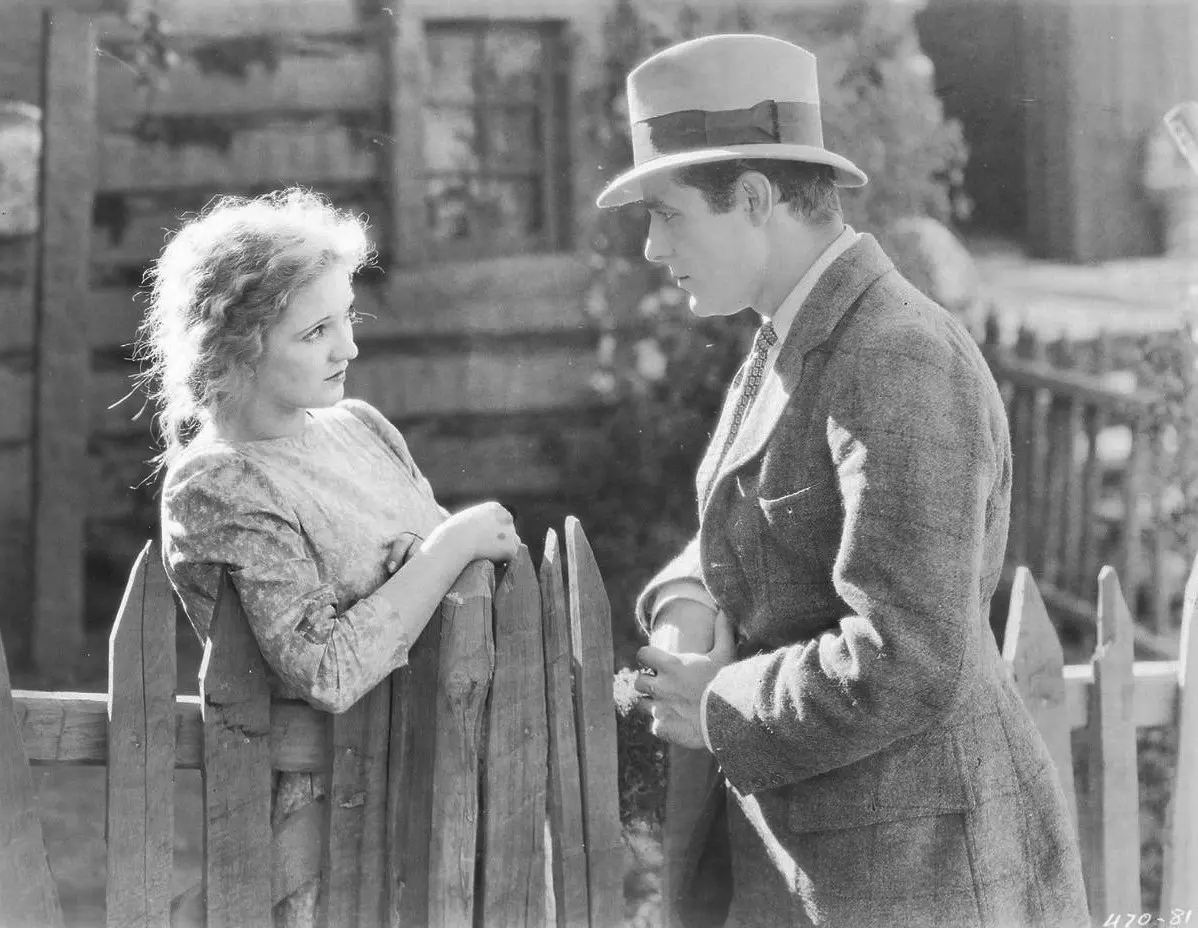
While deeply rooted in United States, The Trail of the Lonesome Pine has achieved a global reach, influencing directors from various backgrounds. Its ability to translate Drama tropes into a universal cinematic language is why it remains a cult staple decades after its 1923 release.
| Cinematography | High-Contrast |
| Soundtrack | Minimalist |
| Editing | Disjunctive |
| Art Direction | Baroque |
Visualizing the convergence of Charles Maigne's style and the core Drama narrative.
June Tolliver, whose family has long feuded with the Falins, falls in love with engineer John Hale when he comes to their mountain town. John sends her to the city to be educated with the promise of marriage when she returns. Because John is appointed deputy he tries to remain neutral, but he finds the Falins supporting him when June's Uncle Rufe is accused of murder. June is called to testify during his trial but does not perjure herself for Rufe's sake. To prevent a Tolliver from being hanged, Jud Tolliver has Rufe shot. John is also injured, but June's pleading finally brings an end to the feud.
Decades after its release, The Trail of the Lonesome Pine remains a vital piece of the cinematic puzzle. Its influence can be seen in countless modern works, solidifying Charles Maigne's status as a master of the craft in United States and beyond.