
DbcultAccessing Vault...
Director's Spotlight
Senior Film Conservator
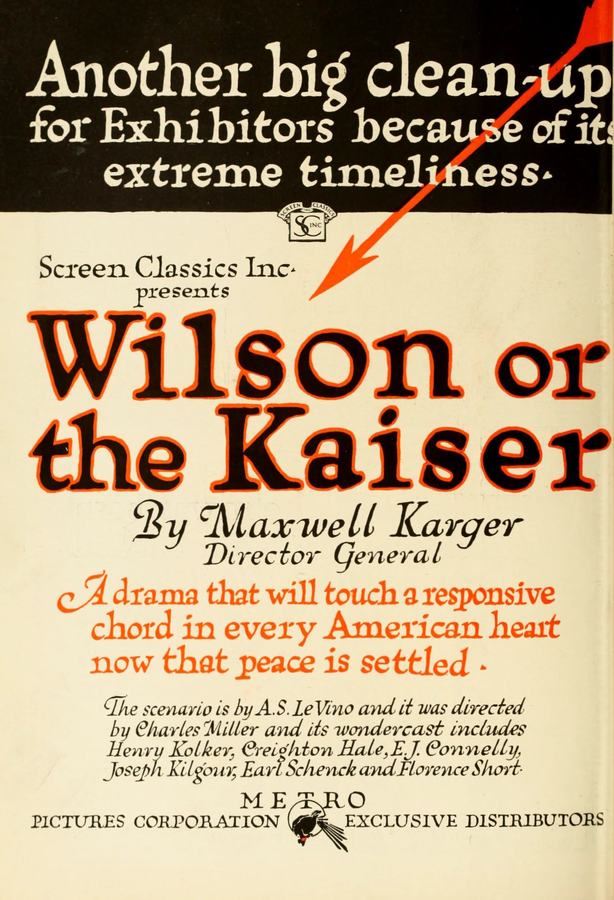
Director's Spotlight: United States
A Deep Dive into the 1919 Vision of Charles Miller
Peeling back the layers of Charles Miller's The Great Victory, Wilson or the Kaiser? The Fall of the Hohenzollerns exposes the technical innovation that Charles Miller introduced to the cult format. Driven by an uncompromising commitment to cult excellence, it stands as the definitive 1919 statement on cult identity.
In The Great Victory, Wilson or the Kaiser? The Fall of the Hohenzollerns, Charles Miller pushes the boundaries of conventional narrative. The film's unique approach to its subject matter has sparked endless debates and interpretations among cinephiles and critics alike.
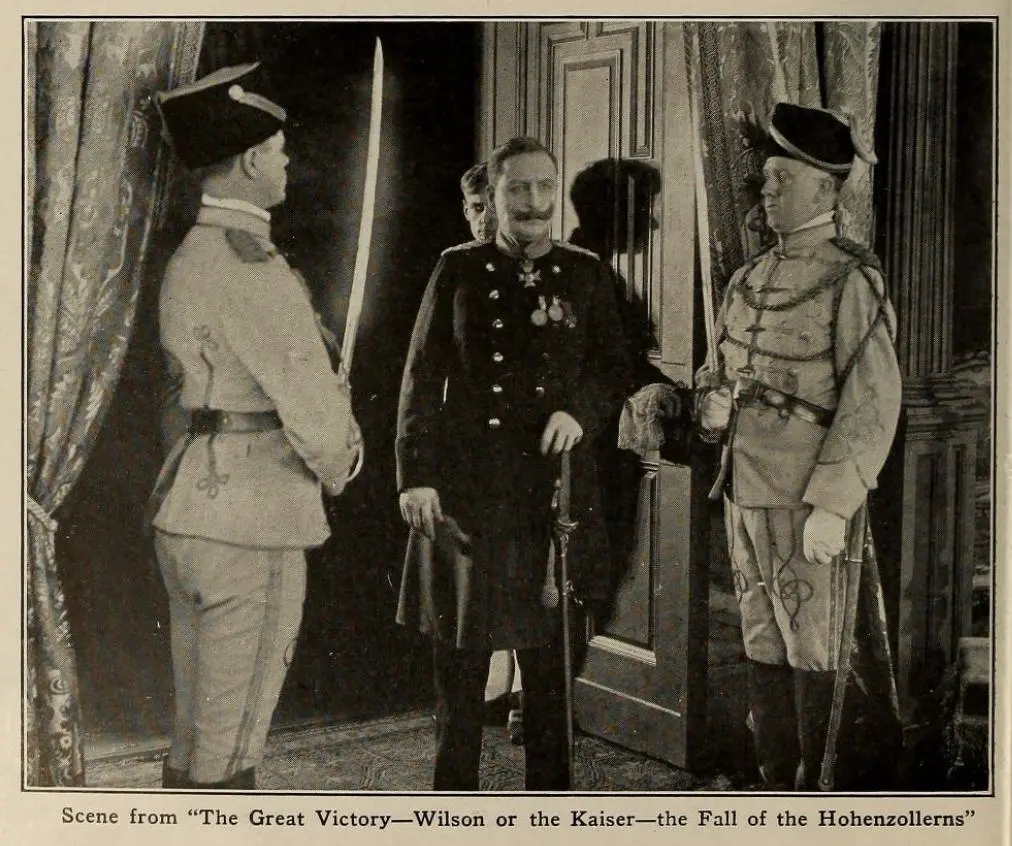
To fully appreciate The Great Victory, Wilson or the Kaiser? The Fall of the Hohenzollerns, one must consider the cinematic climate of 1919. During this period, United States was undergoing significant artistic shifts, and Charles Miller was at the forefront of this cult movement, often challenging established norms.
| Cinematography | High-Contrast |
| Soundtrack | Diegetic |
| Editing | Rhythmic |
| Art Direction | Naturalist |
Visualizing the convergence of Charles Miller's style and the core cult narrative.
In a prologue, Wilhelm II is born into opulence to continue the Hohenzollern dynasty of his father Frederick III, while Woodrow Wilson is born into the modest manse of his father, a Presbyterian reverend who tells his wife that the boy must be brought up "in the fear of the Lord." Conrad Le Brett from Alsace-Lorraine is forced to fight for Germany because his land has been conquered. Conrad, seeing other soldiers take girls into a church to rape them, kills one who murders a baby, and is then shot and taken to a Brussels hospital run by famous nurse Edith Cavell. He and his American nurse, Amy Gordon, fall in love. After Cavell helps Amy escape the pursuance of General von Bissing, the German governor, von Bissing has Lieutenant Ober execute Cavell. Learning of the Kaiser's order that all unmarried women be given to soldiers so they can bear sons for the army, Ober returns to Alsace-Lorraine, where he earlier insulted Conrad's sister Vilma. Ober kills Conrad's grandfather and rapes Vilma. Conrad honors her dying request that he go to America and defend Alsace-Lorraine's reputation. He marries Amy and convinces President Woodrow Wilson that Alsatians should be allowed to enlist. Fighting with the "doughboys," Conrad kills Ober, and after the armistice, returns to Amy.
Decades after its release, The Great Victory, Wilson or the Kaiser? The Fall of the Hohenzollerns remains a vital piece of the cinematic puzzle. Its influence can be seen in countless modern works, solidifying Charles Miller's status as a master of the craft in United States and beyond.