
DbcultAccessing Vault...
Director's Spotlight
Senior Film Conservator
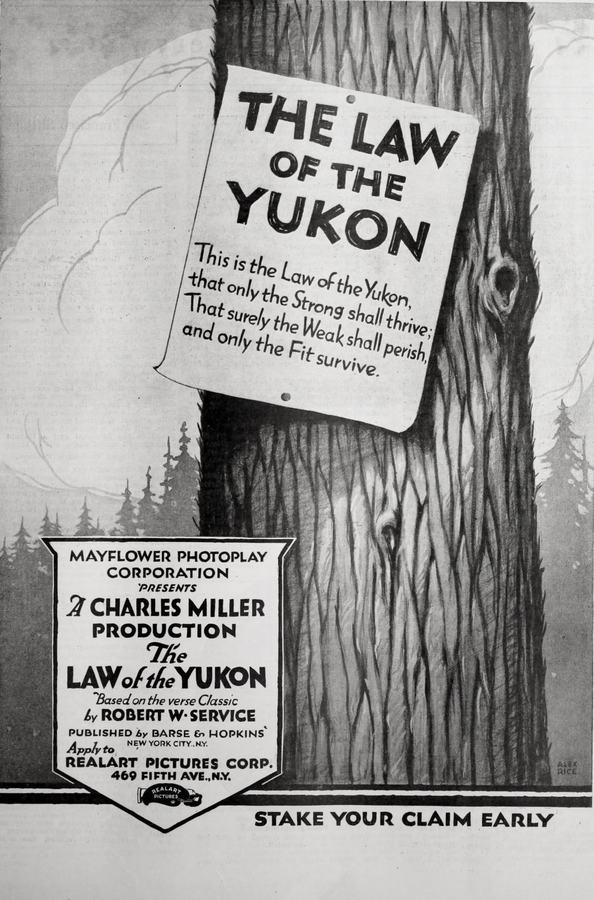
Director's Spotlight: United States
A Deep Dive into the 1920 Vision of Charles Miller
Witnessing the stylistic transformation of Crime through The Law of the Yukon reveals the global recognition that Charles Miller garnered after the release of The Law of the Yukon. Serving as a mirror to the anxieties of a changing world, offering layers of thematic complexity that demand repeated viewing.
In The Law of the Yukon, Charles Miller pushes the boundaries of conventional narrative. The film's unique approach to its subject matter has sparked endless debates and interpretations among cinephiles and critics alike.
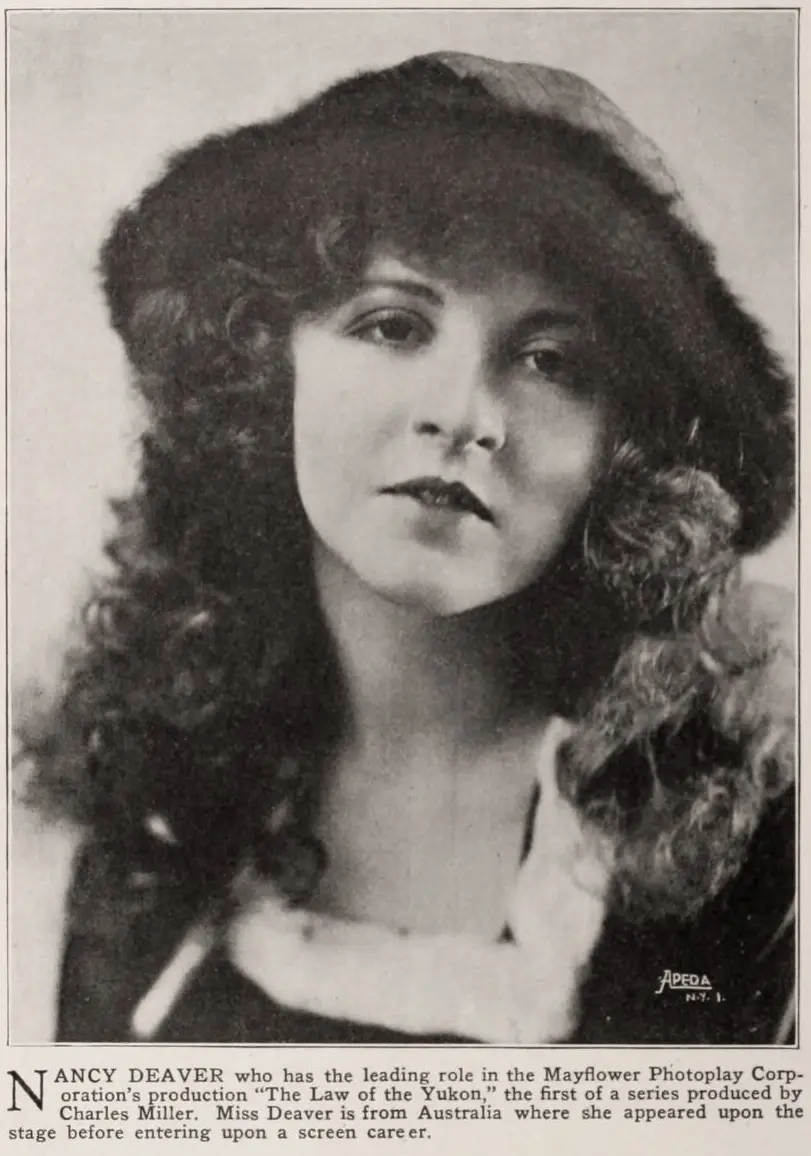
To fully appreciate The Law of the Yukon, one must consider the cinematic climate of 1920. During this period, United States was undergoing significant artistic shifts, and Charles Miller was at the forefront of this Crime movement, often challenging established norms.
| Cinematography | Deep Focus |
| Soundtrack | Orchestral |
| Editing | Slow-Burn |
| Art Direction | Brutalist |
Visualizing the convergence of Charles Miller's style and the core Crime narrative.
Morgan Kleath, fleeing an unfaithful wife in San Francisco, goes to the Yukon to establish a daily newspaper. Shortly after arriving, he meets Goldie Meadows, the ward of dance hall proprietor Tim Meadows. Upon exhibiting an interest in Goldie, Morgan arouses the jealousy of Joe Duke, one of her admirers, and during a fight between the two, Goldie comes to Kleath's aid when he is stabbed in the back. Later, when Duke's associates rob Meadow's safe, a number of clues point to Kleath and he is arrested and charged with the crime. Just as the court declares him guilty, Kleath's wife arrives from San Francisco and testifies that she had seen Kleath and Goldie together the night of the robbery. To save Goldie's reputation, Kleath had refused to defend himself with this alibi. After completing her testimony, Mrs. Kleath is shot and killed by members of the Duke gang, freeing Kleath to make Goldie an "honest woman."
Decades after its release, The Law of the Yukon remains a vital piece of the cinematic puzzle. Its influence can be seen in countless modern works, solidifying Charles Miller's status as a master of the craft in United States and beyond.