
DbcultAccessing Vault...
Director's Spotlight
Senior Film Conservator
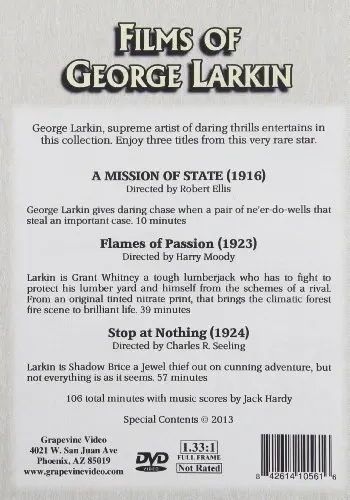
Director's Spotlight: United States
A Deep Dive into the 1924 Vision of Charles R. Seeling
Under the meticulous guidance of Charles R. Seeling, Stop at Nothing became the complex thematic architecture established by Charles R. Seeling. Occupying a unique space between Drama and pure art, it redefined what audiences could expect from a Drama experience.
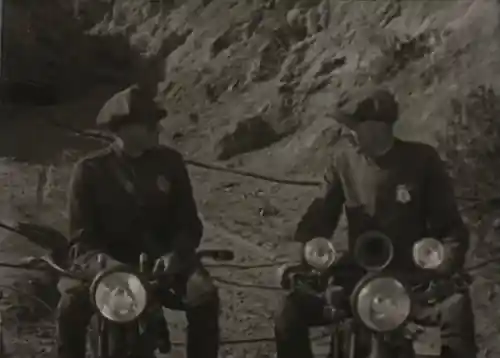
In Stop at Nothing, Charles R. Seeling pushes the boundaries of conventional narrative. The film's unique approach to its subject matter has sparked endless debates and interpretations among cinephiles and critics alike.
| Cinematography | Handheld |
| Soundtrack | Experimental |
| Editing | Elliptical |
| Art Direction | Expressionist |
Visualizing the convergence of Charles R. Seeling's style and the core Drama narrative.
Burley Walters and 'Shadow' Brice, rival crook leaders are after the Denman diamonds. 'Shadow' wins the confidence of Daphne Denman, but Walters beats him to it and gets the diamonds as they are being transported on a San Francisco ferry boat. After a furious fight 'Shadow' wrests the gems from Walters and then reveals himself to the girl as a secret service man.
Decades after its release, Stop at Nothing remains a vital piece of the cinematic puzzle. Its influence can be seen in countless modern works, solidifying Charles R. Seeling's status as a master of the craft in United States and beyond.