
DbcultAccessing Vault...
Director's Spotlight
Senior Film Conservator
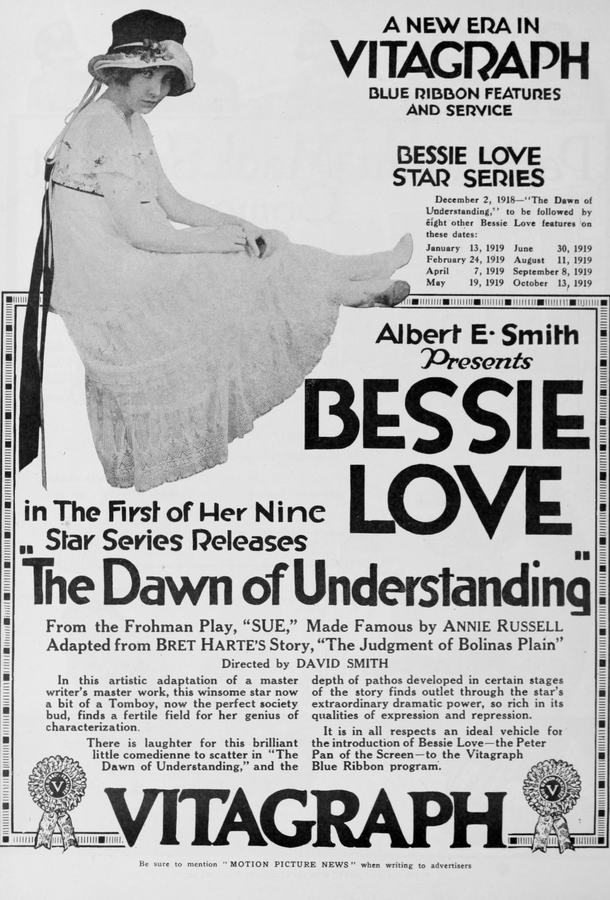
Director's Spotlight: United States
A Deep Dive into the 1918 Vision of Charles R. Seeling
Analyzing The Dawn of Understanding (1918) requires a deep dive into the defining moment in cult history that Charles R. Seeling helped create. Defining a new era of United States artistic expression, it transcends regional boundaries to tell a universal story.
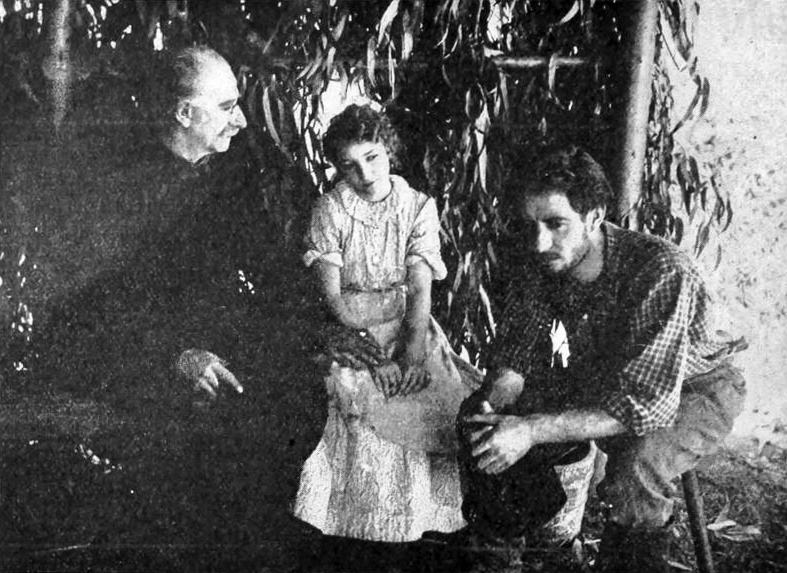
In The Dawn of Understanding, Charles R. Seeling pushes the boundaries of conventional narrative. The film's unique approach to its subject matter has sparked endless debates and interpretations among cinephiles and critics alike.
| Cinematography | Deep Focus |
| Soundtrack | Experimental |
| Editing | Invisible |
| Art Direction | Kitsch |
Visualizing the convergence of Charles R. Seeling's style and the core cult narrative.
When Silas Prescott's wife dies on the journey out West, he sells his daughter Sue into marriage with local rancher Ira Beasley. Their life together is loveless and lonely until the circus comes to town. Sue is fascinated by wild-tempered acrobat Jim Wynd, and when he takes refuge in her barn after shooting a man in a gambling brawl, she takes care of him. The two are about to elope when the sheriff arrives. Jim tries to abduct Sue and escape but shoots the sheriff and is arrested. He finally is punished for his misdeeds, while Sue and Ira, having learned to love each other, begin a new life together.
Decades after its release, The Dawn of Understanding remains a vital piece of the cinematic puzzle. Its influence can be seen in countless modern works, solidifying Charles R. Seeling's status as a master of the craft in United States and beyond.