
DbcultAccessing Vault...
Director's Spotlight
Senior Film Conservator
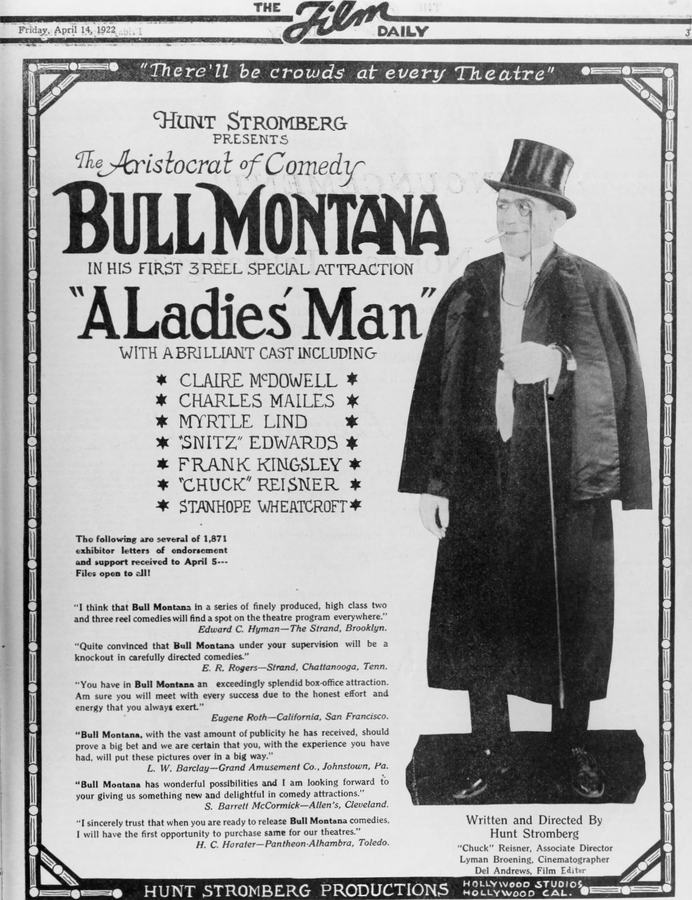
Director's Spotlight: United States
A Deep Dive into the 1922 Vision of Charles Reisner
The thematic gravity of A Ladies Man (1922) is rooted in the historical context that Charles Reisner weaves into the Short fabric. Synthesizing the best elements of United States and international cinema, it highlights the importance of independent voices in United States.
In A Ladies Man, Charles Reisner pushes the boundaries of conventional narrative. The film's unique approach to its subject matter has sparked endless debates and interpretations among cinephiles and critics alike.
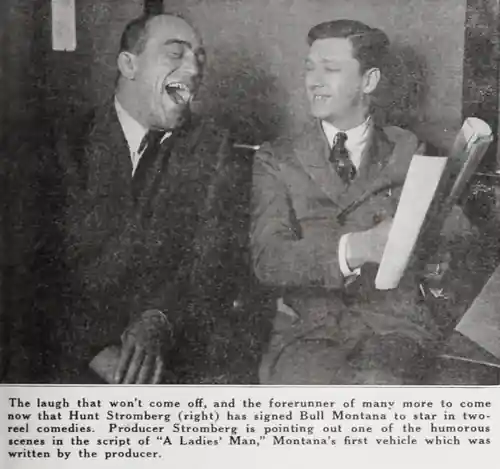
In this work, Charles Reisner explores the intersection of Short and United States cultural identity. The meticulous attention to detail suggests a deep-seated commitment to pushing the boundaries of the medium, ensuring that A Ladies Man remains a relevant topic of study for Short enthusiasts.
| Cinematography | Noir-Inspired |
| Soundtrack | Synth-Heavy |
| Editing | Rhythmic |
| Art Direction | Naturalist |
Visualizing the convergence of Charles Reisner's style and the core Short narrative.
An aristocratic society couple adopt a foundling of unknown parentage. At the age of ten, however, the unknown foundling heard the call of worldly adventure and ran away from the luxurious home of his wealthy foster-parents. As the story opens, the prodigal son, whose given name is "Little Oswald," returns to Home and Mother - not as the handsome and romantic type as visualized by the society belles assembled to pay homage, but as - well, Bull Montana, with cauliflower ears, a checkered suit, a derby lid, a big black cigar - and two of the finest "hard boiled pals" that ever traversed the underworld.
Decades after its release, A Ladies Man remains a vital piece of the cinematic puzzle. Its influence can be seen in countless modern works, solidifying Charles Reisner's status as a master of the craft in United States and beyond.