
DbcultAccessing Vault...
Director's Spotlight
Senior Film Conservator
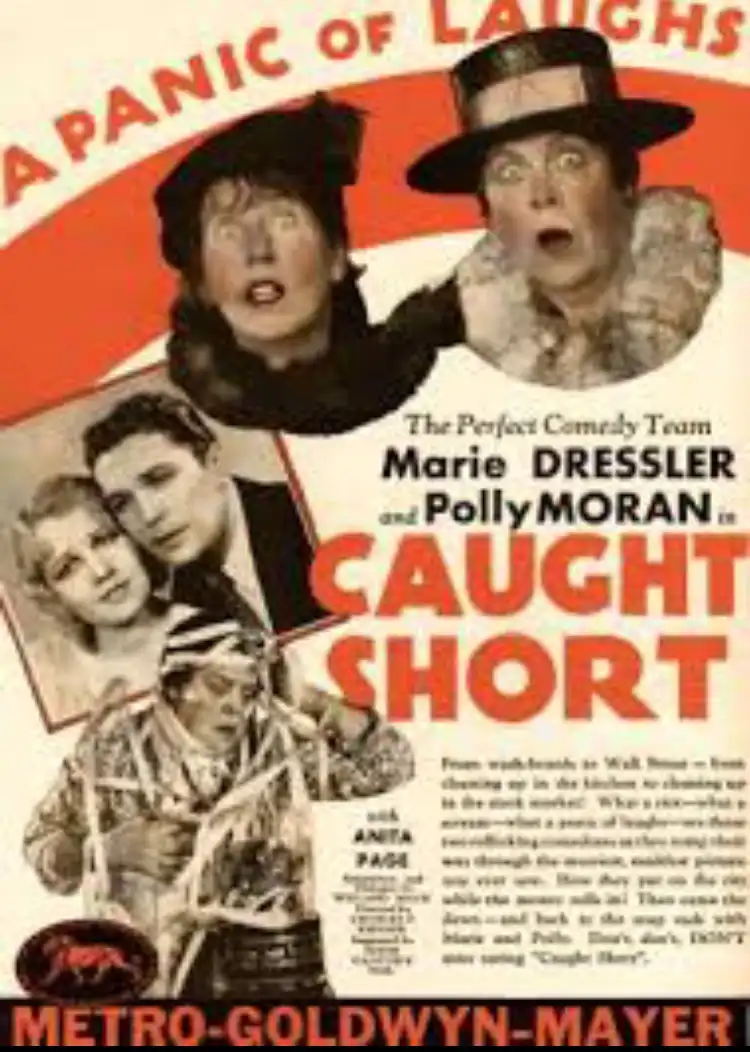
Director's Spotlight: United States
A Deep Dive into the 1930 Vision of Charles Reisner
When we examine the cinematic landscape of United States, Caught Short emerges as a landmark work of the unique directorial voice that Charles Reisner brought to the screen. This film stands as a masterclass in visual storytelling, it demands to be seen by anyone who cares about the art of film.
In Caught Short, Charles Reisner pushes the boundaries of conventional narrative. The film's unique approach to its subject matter has sparked endless debates and interpretations among cinephiles and critics alike.
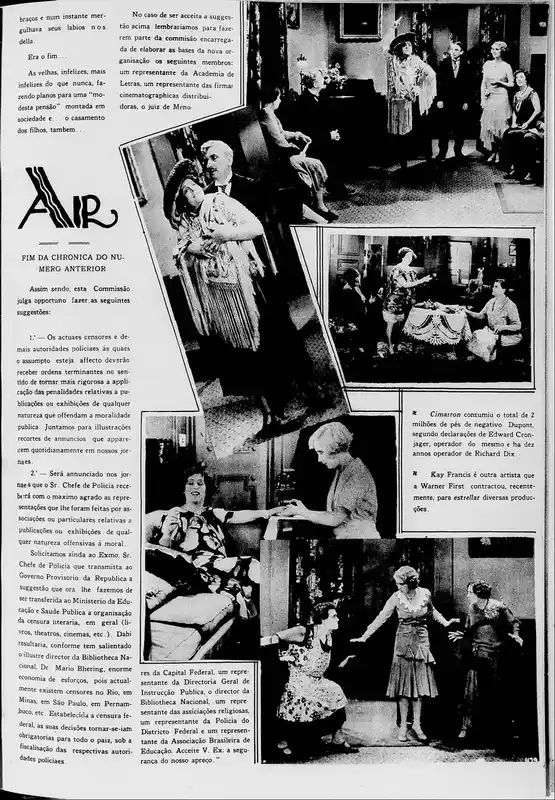
While deeply rooted in United States, Caught Short has achieved a global reach, influencing directors from various backgrounds. Its ability to translate Comedy tropes into a universal cinematic language is why it remains a cult staple decades after its 1930 release.
| Cinematography | High-Contrast |
| Soundtrack | Synth-Heavy |
| Editing | Rhythmic |
| Art Direction | Naturalist |
Visualizing the convergence of Charles Reisner's style and the core Comedy narrative.
Landladies Polly Smith and Marie Jones, who operate boardinghouses on the same side of the street, are afflicted with numerous petty envies and jealousies but nevertheless are the best of friends. Polly invests in the stock market and begins to reap rewards, but she is unable to persuade Marie to use her life's savings to buy shares of American Cheese or Brazilian Bananas. Meanwhile, Marie's daughter Genevieve and Polly's son William, just back from college, fall in love, but an argument between the ladies breaks up the romance; smarting under Polly's patronizing manner, Marie plunges into the market herself and with the winnings is able to stage a society splurge at a fashionable resort. In their efforts to outdo each other, Polly and Marie inevitably come together, and a reunion of the lovers becomes possible.
Decades after its release, Caught Short remains a vital piece of the cinematic puzzle. Its influence can be seen in countless modern works, solidifying Charles Reisner's status as a master of the craft in United States and beyond.