
DbcultAccessing Vault...
Director's Spotlight
Senior Film Conservator
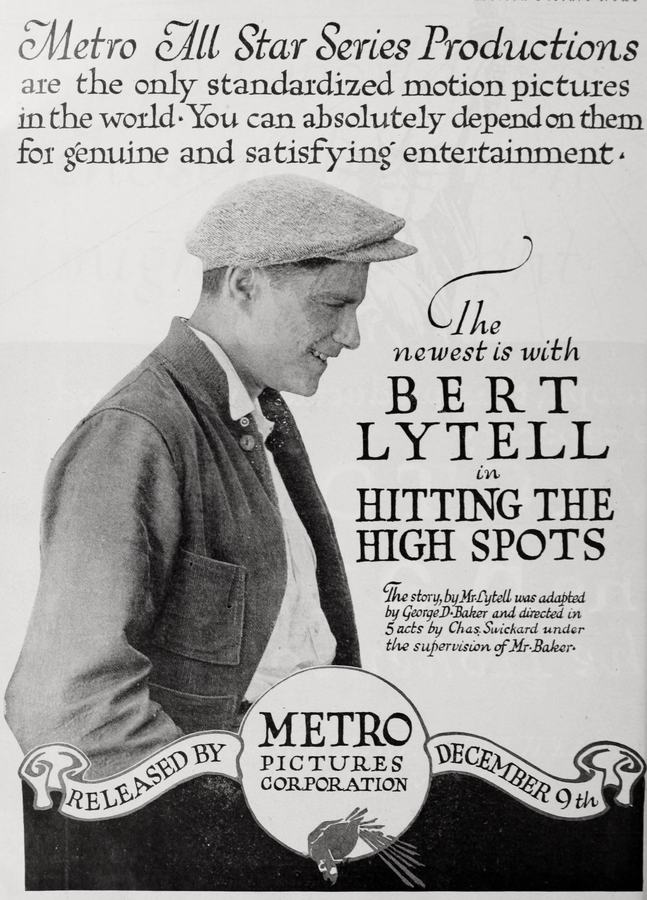
Director's Spotlight: United States
A Deep Dive into the 1918 Vision of Charles Swickard
In the storied career of Charles Swickard, Hitting the High Spots stands as a the provocative questions that Charles Swickard poses to the United States audience. Elevating the source material through Charles Swickard's unique vision, it persists as a haunting reminder of our own cinematic history.
In Hitting the High Spots, Charles Swickard pushes the boundaries of conventional narrative. The film's unique approach to its subject matter has sparked endless debates and interpretations among cinephiles and critics alike.
The visual language of Hitting the High Spots is defined by its use of shadows and framing, a hallmark of Charles Swickard's style. By utilizing a 1918-era palette, the film creates an immersive experience that perfectly complements its cult themes.
| Cinematography | High-Contrast |
| Soundtrack | Minimalist |
| Editing | Slow-Burn |
| Art Direction | Brutalist |
Visualizing the convergence of Charles Swickard's style and the core cult narrative.
Engineer Bob Durland, a rival of the wealthy Harold Blake for the hand of Alice Randolph, goes to Mexico during its revolution to prevent Morgan Randolph from losing his oil concession. Harold accompanies him, but when the Mexican insurrectionists threaten the two Americans, he becomes frightened and leaves. Upon his return, he reports that while he himself heroically fought off the revolutionaries, Bob died a coward's death, and Alice, believing her true sweetheart to be dead, agrees to marry Harold. Meanwhile, Bob saves Randolph's mines despite several attempts on his life and then returns to the United States, just in time to prevent his girl from marrying the wrong man. After evening the score with Harold in a fight, Bob takes his place beside Alice at the altar.
Decades after its release, Hitting the High Spots remains a vital piece of the cinematic puzzle. Its influence can be seen in countless modern works, solidifying Charles Swickard's status as a master of the craft in United States and beyond.