
DbcultAccessing Vault...
Director's Spotlight
Senior Film Conservator
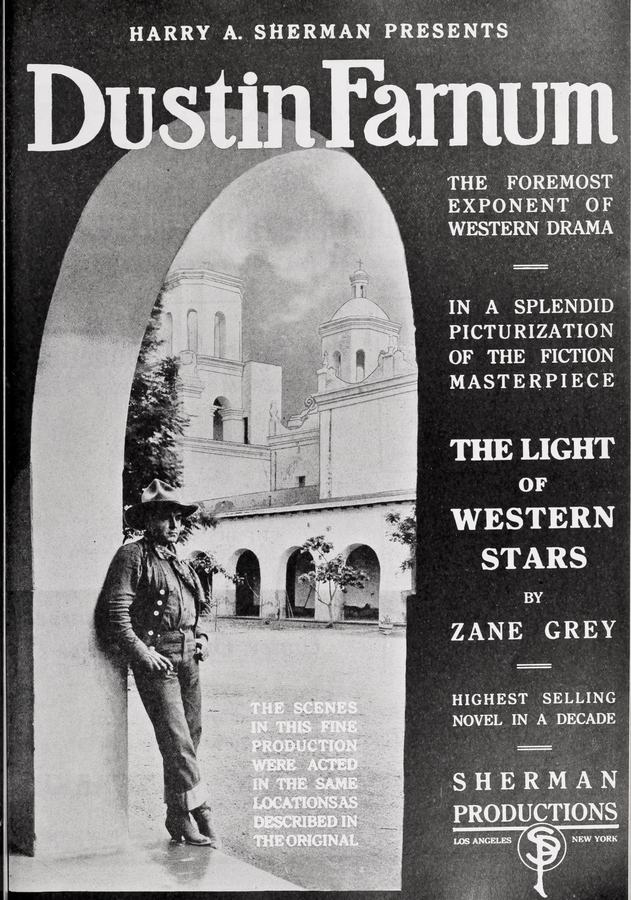
Director's Spotlight: United States
A Deep Dive into the 1918 Vision of Charles Swickard
The 1918 release of The Light of Western Stars marked a significant moment for the enduring legacy of Charles Swickard's artistic contribution to the genre. By challenging the status quo of 1918 cinema, it has cemented its place in the global cult cinema archive.
In The Light of Western Stars, Charles Swickard pushes the boundaries of conventional narrative. The film's unique approach to its subject matter has sparked endless debates and interpretations among cinephiles and critics alike.
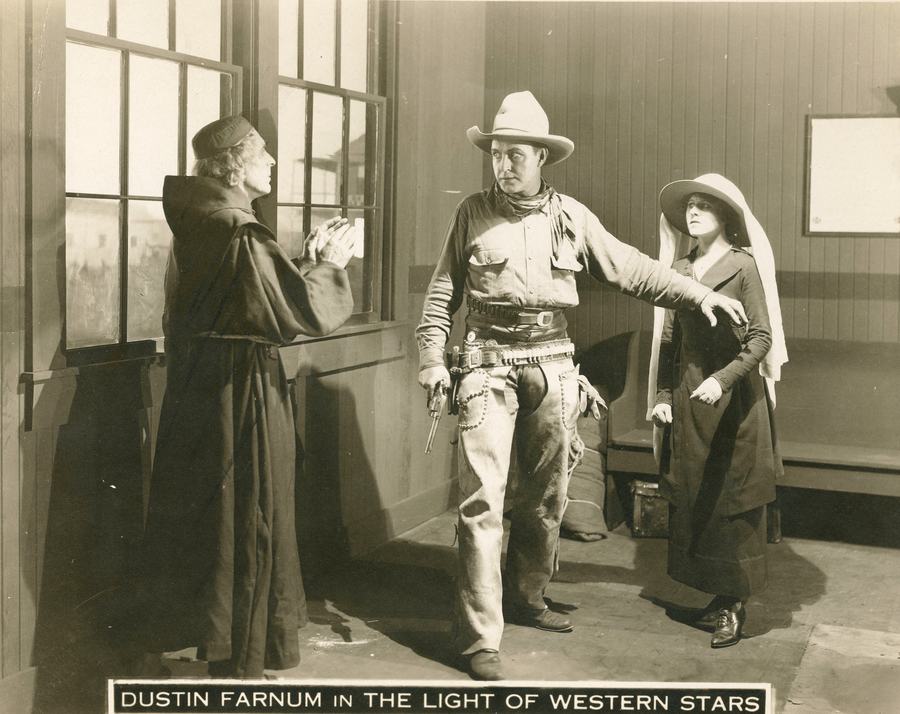
The visual language of The Light of Western Stars is defined by its use of shadows and framing, a hallmark of Charles Swickard's style. By utilizing a 1918-era palette, the film creates an immersive experience that perfectly complements its cult themes.
| Cinematography | Noir-Inspired |
| Soundtrack | Orchestral |
| Editing | Invisible |
| Art Direction | Kitsch |
Visualizing the convergence of Charles Swickard's style and the core cult narrative.
A friend of Dick Bailey is killed by a mysterious assailant, whom Dick suspects to be Stack, who is in league with the crooked sheriff. Out on a spree Dick swears he will marry the first woman he sees, who happens to be Ruth Hammond, sister of his dead friend, arriving to take charge of the Hammond ranch. Revolted by his rough proposal,she fires him as the Hammond foreman and she proceeds to the ranch. Stack informs her he has purchased the ranch for the payment of the back-due taxes, and she relents and rehires Dick and his friends to aid her in her fight against Stack.
Decades after its release, The Light of Western Stars remains a vital piece of the cinematic puzzle. Its influence can be seen in countless modern works, solidifying Charles Swickard's status as a master of the craft in United States and beyond.