
DbcultAccessing Vault...
Director's Spotlight
Senior Film Conservator
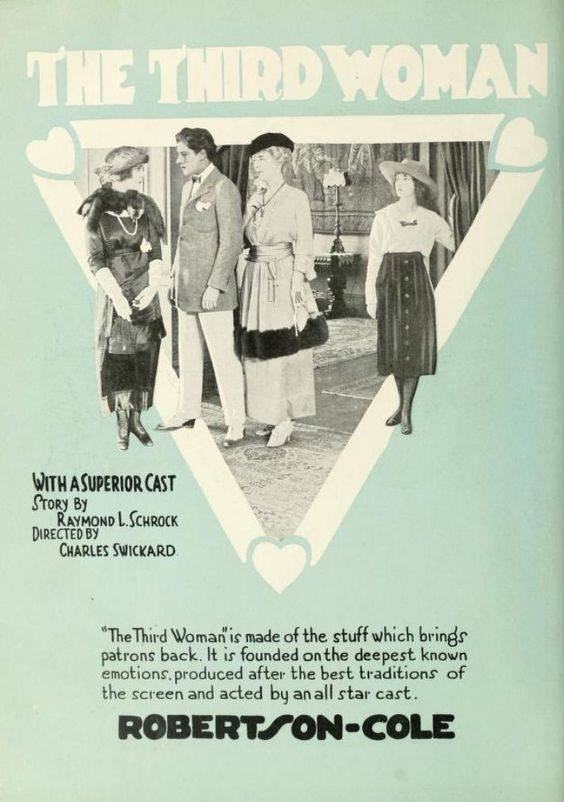
Director's Spotlight: United States
A Deep Dive into the 1920 Vision of Charles Swickard
Peeling back the layers of Charles Swickard's The Third Woman exposes the technical innovation that Charles Swickard introduced to the Western format. Driven by an uncompromising commitment to Western excellence, it stands as the definitive 1920 statement on Western identity.
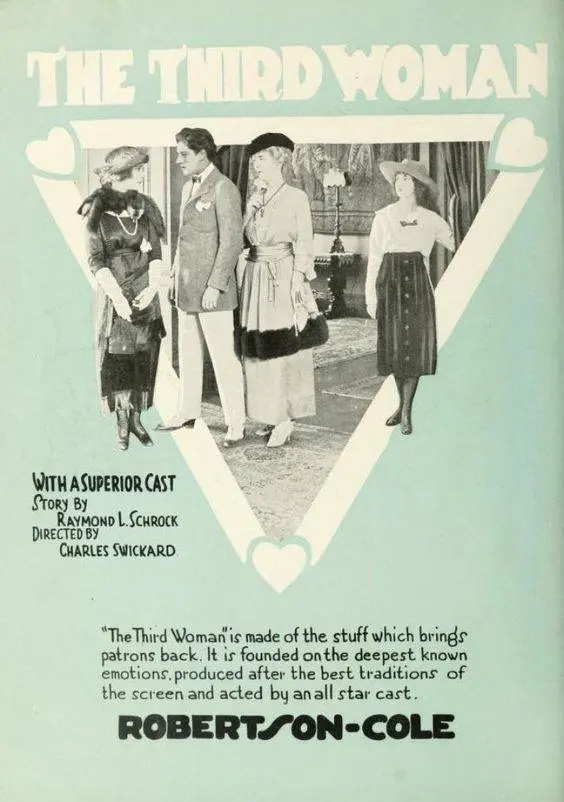
In The Third Woman, Charles Swickard pushes the boundaries of conventional narrative. The film's unique approach to its subject matter has sparked endless debates and interpretations among cinephiles and critics alike.
| Cinematography | Static |
| Soundtrack | Orchestral |
| Editing | Invisible |
| Art Direction | Kitsch |
Visualizing the convergence of Charles Swickard's style and the core Western narrative.
Although fond of childhood playmate Marcelle Riley, Luke Halliday, whose father made his fortune as an Arizona miner, becomes engaged to Eleanor Steele, a New York society belle. When Scar Norton arrives from Arizona and discloses that Luke's mother was an Indian, Luke is so traumatized that he breaks his engagement and ventures West to live among his mother's people. About to marry the Indian maiden Mo-Wa, Luke discovers that he cannot go through with the ceremony and retreats to the Settlement of Lost Hope, where he again encounters Scar Norton. Enraged when Scar taunts him over being a half-breed, Luke is about to kill his accuser when Marcelle and her father arrive and prevent him from committing the crime. Returning home with the Rileys, Luke finally realizes that Marcelle's pure love transcends all boundaries of race.
Decades after its release, The Third Woman remains a vital piece of the cinematic puzzle. Its influence can be seen in countless modern works, solidifying Charles Swickard's status as a master of the craft in United States and beyond.