
DbcultAccessing Vault...
Director's Spotlight
Senior Film Conservator
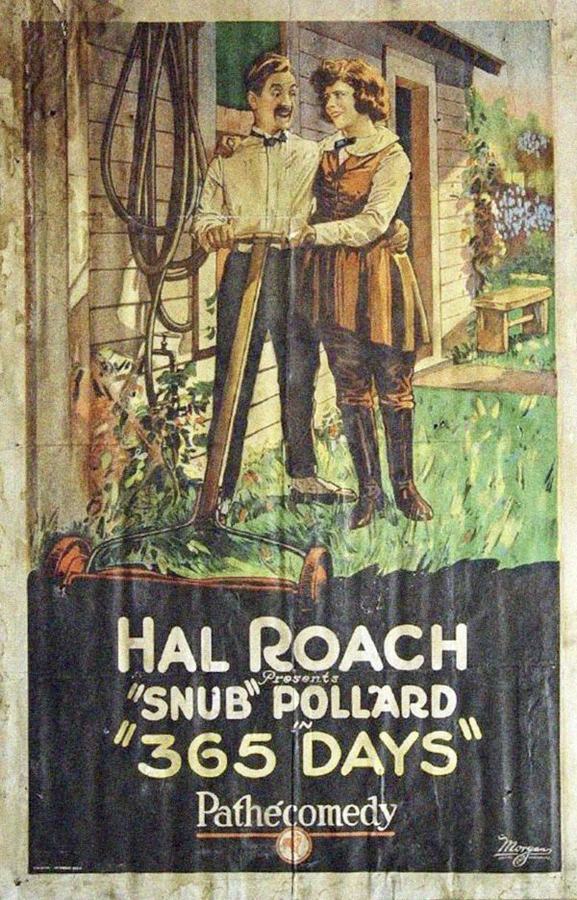
Director's Spotlight: United States
A Deep Dive into the 1922 Vision of Charley Chase
As we revisit the 1922 masterpiece 365 Days, we are struck by the meticulous attention to detail that Charley Chase applied to every frame. Anchored by a narrative that is both personal and universal, it bridges the gap between traditional Comedy and contemporary vision.
In 365 Days, Charley Chase pushes the boundaries of conventional narrative. The film's unique approach to its subject matter has sparked endless debates and interpretations among cinephiles and critics alike.
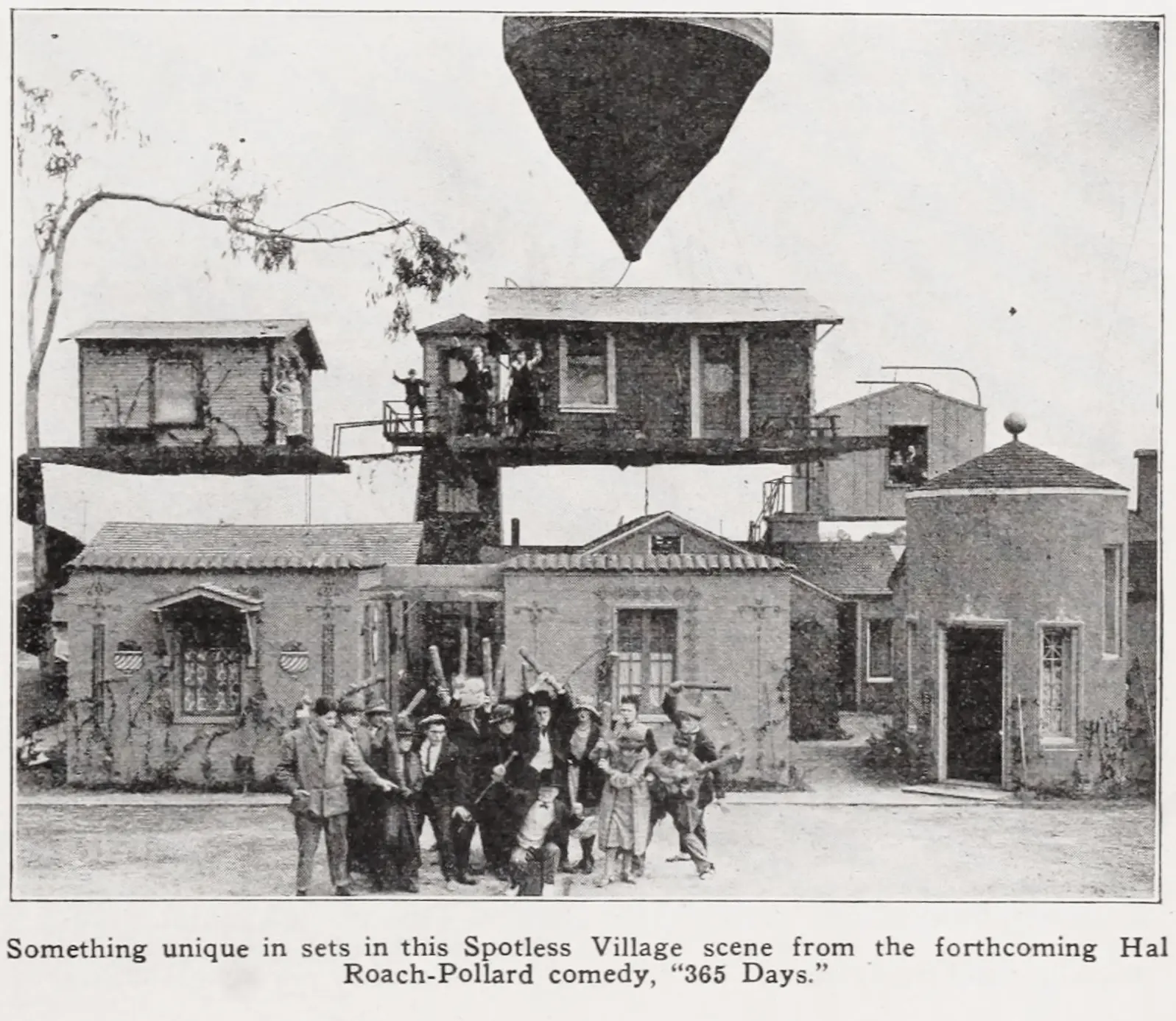
To fully appreciate 365 Days, one must consider the cinematic climate of 1922. During this period, United States was undergoing significant artistic shifts, and Charley Chase was at the forefront of this Comedy movement, often challenging established norms.
| Cinematography | Static |
| Soundtrack | Diegetic |
| Editing | Elliptical |
| Art Direction | Expressionist |
Visualizing the convergence of Charley Chase's style and the core Comedy narrative.
An old man, with many branches to his family tree, attempts to make the quarrelsome crew live in harmony by promising them his money if they will all build houses on the same plot of ground and live peacefully for one year. Not having room on the lot, one family takes to the air, hitching its home to a balloon. This creates a disturbing element by reason of the things that fall overboard. But when the year is up, and there has been a reasonable amount of peace, the old man starts to divide his fortune, but is mistaken by all the heirs except one for a "faker," and the lucky one is rewarded with the entire estate.
Decades after its release, 365 Days remains a vital piece of the cinematic puzzle. Its influence can be seen in countless modern works, solidifying Charley Chase's status as a master of the craft in United States and beyond.