
DbcultAccessing Vault...
Director's Spotlight
Senior Film Conservator
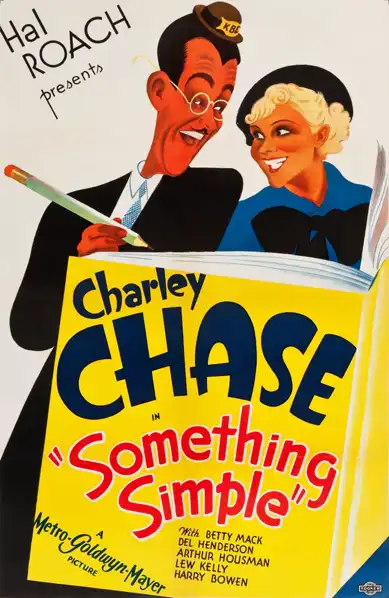
Director's Spotlight: United States
A Deep Dive into the 1934 Vision of Charley Chase
The Comedy DNA of Something Simple is a reflection of United States's the subversive storytelling techniques employed by Charley Chase in 1934. Breaking the traditional rules of Comedy engagement, it leaves an indelible mark on the soul of the viewer.
In Something Simple, Charley Chase pushes the boundaries of conventional narrative. The film's unique approach to its subject matter has sparked endless debates and interpretations among cinephiles and critics alike.
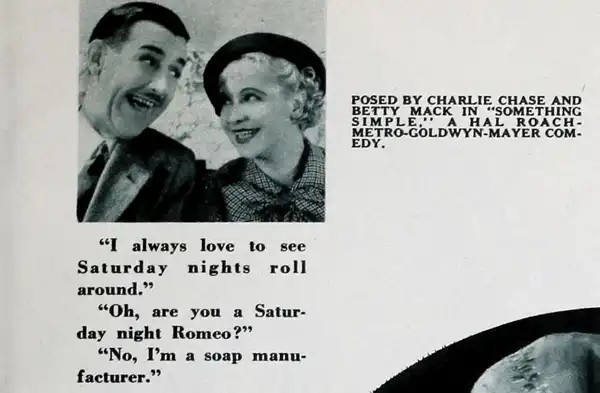
The visual language of Something Simple is defined by its use of shadows and framing, a hallmark of Charley Chase's style. By utilizing a 1934-era palette, the film creates an immersive experience that perfectly complements its Comedy themes.
| Cinematography | Handheld |
| Soundtrack | Experimental |
| Editing | Elliptical |
| Art Direction | Expressionist |
Visualizing the convergence of Charley Chase's style and the core Comedy narrative.
Taken to a hospital, after suffering a dizzy spell, Charley is told by a 'nut', posing as a doctor, that he suffers from 'Tetra-Ethyl", and the only remedy is to sit down, relax, clear the mind and recite a nursery rhyme. The fake doctor gives Charley a package to deliver to Mr. Henderson, the "Supreme Crown of the Knights of the Brown Derby." At the hotel, hosting a convention of "Brown Derbies," Charley suffers a dizzy spell and the only place he can find to sit down is in Mr. Henderson's lap, where he recites "Mary Had a Little Lamb." Mr. Henderson, it is revealed, also suffers from "Tetra-Ethyl." Seized by an attack, Henderson sits down and tries to recite "Who Killed Cock Robin," but forgets the lines, which Charley and Henderson's daughter, Betty, sing in a song together. That, coming at the end of the second reel,is all it takes for Charley and Betty to decide to get married.
Decades after its release, Something Simple remains a vital piece of the cinematic puzzle. Its influence can be seen in countless modern works, solidifying Charley Chase's status as a master of the craft in United States and beyond.