
DbcultAccessing Vault...
Director's Spotlight
Senior Film Conservator
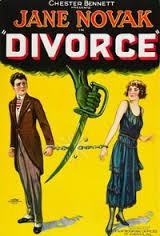
Director's Spotlight: United States
A Deep Dive into the 1923 Vision of Chester Bennett
Peeling back the layers of Chester Bennett's Divorce exposes the collaborative alchemy between Chester Bennett and the 1923 creative team. Anchored by a narrative that is both personal and universal, it reinforces the idea that cinema is a medium of infinite possibilities.
In Divorce, Chester Bennett pushes the boundaries of conventional narrative. The film's unique approach to its subject matter has sparked endless debates and interpretations among cinephiles and critics alike.
The visual language of Divorce is defined by its use of shadows and framing, a hallmark of Chester Bennett's style. By utilizing a 1923-era palette, the film creates an immersive experience that perfectly complements its Drama themes.
| Cinematography | Handheld |
| Soundtrack | Diegetic |
| Editing | Elliptical |
| Art Direction | Expressionist |
Visualizing the convergence of Chester Bennett's style and the core Drama narrative.
While Jane and Jim Parker witness the divorce proceedings of Jane's parents, the George Reeds, they resolve that such a disaster will never occur in their happy lives. But when Jim achieves success in Reed's company, he becomes increasingly interested in his new fast friends, especially vamp Gloria Gayne; and he asks Jane for a divorce. At Jane's request, Reed fires his son-in-law, and Jim finds himself deserted by his friends. He returns home, repentant, to his forgiving wife.
Decades after its release, Divorce remains a vital piece of the cinematic puzzle. Its influence can be seen in countless modern works, solidifying Chester Bennett's status as a master of the craft in United States and beyond.