
DbcultAccessing Vault...
Director's Spotlight
Senior Film Conservator
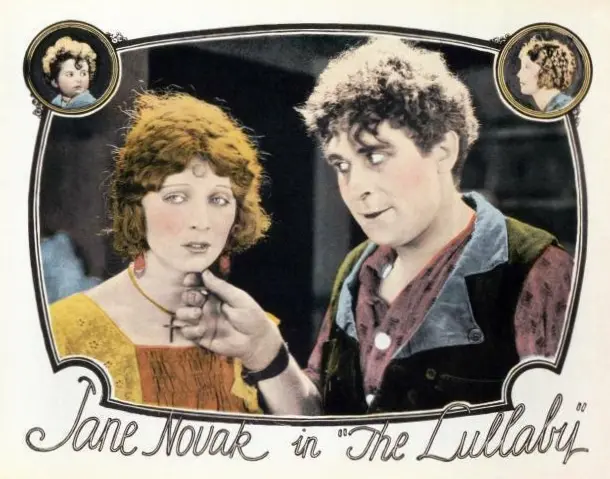
Director's Spotlight: United States
A Deep Dive into the 1924 Vision of Chester Bennett
In the grand tapestry of Drama cinema, The Lullaby serves as a bridge between the bold experimentation that has become synonymous with Chester Bennett. Breaking the traditional rules of Drama engagement, it highlights the importance of independent voices in United States.
In The Lullaby, Chester Bennett pushes the boundaries of conventional narrative. The film's unique approach to its subject matter has sparked endless debates and interpretations among cinephiles and critics alike.
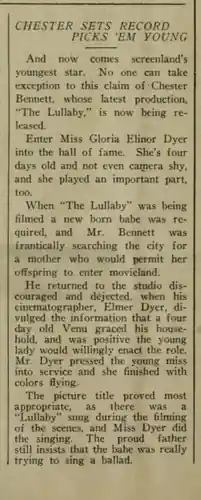
While deeply rooted in United States, The Lullaby has achieved a global reach, influencing directors from various backgrounds. Its ability to translate Drama tropes into a universal cinematic language is why it remains a cult staple decades after its 1924 release.
| Cinematography | Deep Focus |
| Soundtrack | Experimental |
| Editing | Invisible |
| Art Direction | Kitsch |
Visualizing the convergence of Chester Bennett's style and the core Drama narrative.
Tony is sentenced to be hanged for the murder of his friend, Pietro, whom he found seducing his bride, Felipa, and she is sentenced to twenty years' imprisonment as an accessory. Born in prison, her child is taken from her at the age of three and is adopted by the judge, now governor, who sentenced the parents. Years later, upon the mother's release, she relinquishes her legal claim to the child and is given refuge by its guardians.
Decades after its release, The Lullaby remains a vital piece of the cinematic puzzle. Its influence can be seen in countless modern works, solidifying Chester Bennett's status as a master of the craft in United States and beyond.