
DbcultAccessing Vault...
Director's Spotlight
Senior Film Conservator
Director's Spotlight: United States
A Deep Dive into the 1924 Vision of Chester Bennett
Under the meticulous guidance of Chester Bennett, The Painted Lady became the complex thematic architecture established by Chester Bennett. Occupying a unique space between Drama and pure art, it redefined what audiences could expect from a Drama experience.
In The Painted Lady, Chester Bennett pushes the boundaries of conventional narrative. The film's unique approach to its subject matter has sparked endless debates and interpretations among cinephiles and critics alike.
The visual language of The Painted Lady is defined by its use of shadows and framing, a hallmark of Chester Bennett's style. By utilizing a 1924-era palette, the film creates an immersive experience that perfectly complements its Drama themes.
| Cinematography | Deep Focus |
| Soundtrack | Orchestral |
| Editing | Invisible |
| Art Direction | Kitsch |
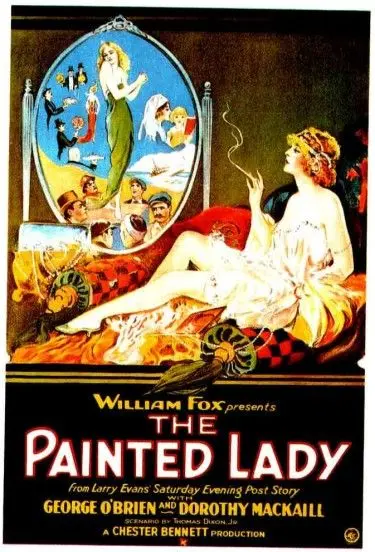
Visualizing the convergence of Chester Bennett's style and the core Drama narrative.
After being released from imprisonment for a crime committed by her sister, Violet is forced to become a woman of easy virtue, and on an excursion to a South Sea isle she meets Luther Smith, a sailor seeking vengeance for the death of his sister. She feels unworthy of his love, but their paths cross again when he rescues her from Captain Sutton, the man responsible for the other girl's tragedy.
Decades after its release, The Painted Lady remains a vital piece of the cinematic puzzle. Its influence can be seen in countless modern works, solidifying Chester Bennett's status as a master of the craft in United States and beyond.