
DbcultAccessing Vault...
Director's Spotlight
Senior Film Conservator
Director's Spotlight: United States
A Deep Dive into the 1920 Vision of Chester M. De Vonde
The artistic breakthrough represented by Voices in 1920 highlights the uncompromising vision of Chester M. De Vonde that defines this Drama masterpiece. In the context of United States's rich cinematic history, it captures a specific kind of cinematic magic that is rarely replicated.
In Voices, Chester M. De Vonde pushes the boundaries of conventional narrative. The film's unique approach to its subject matter has sparked endless debates and interpretations among cinephiles and critics alike.
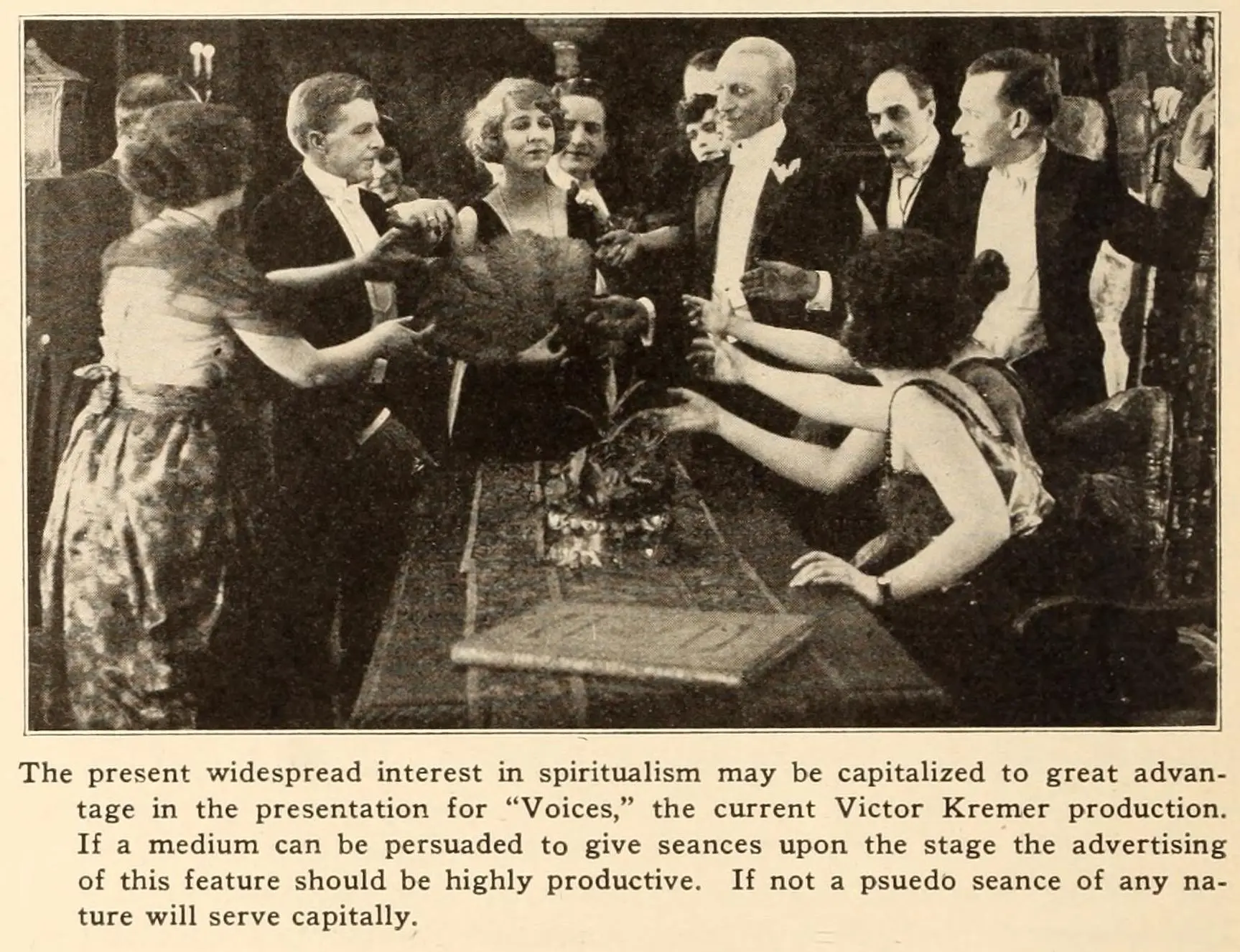
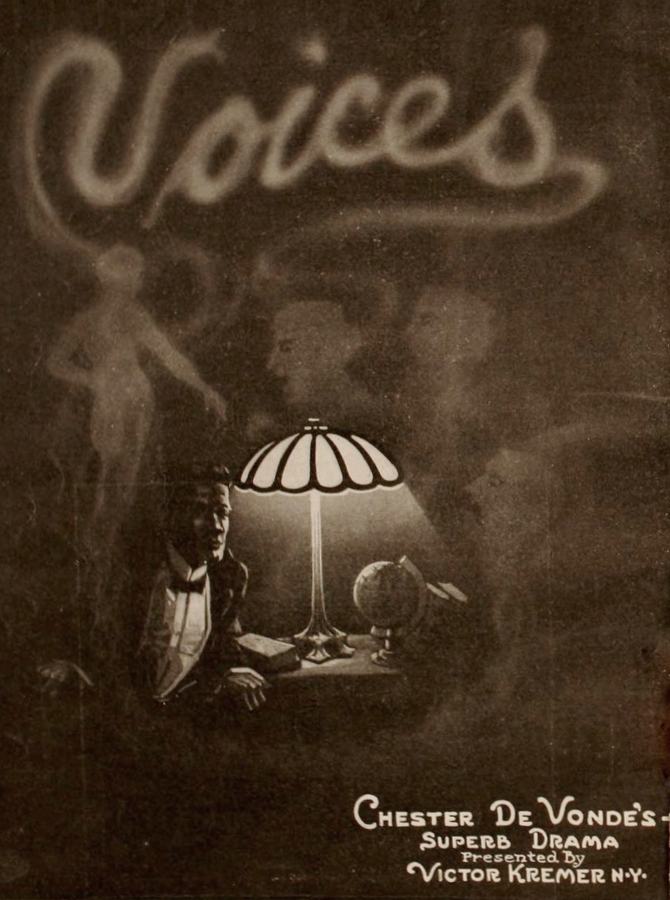
The visual language of Voices is defined by its use of shadows and framing, a hallmark of Chester M. De Vonde's style. By utilizing a 1920-era palette, the film creates an immersive experience that perfectly complements its Drama themes.
| Cinematography | High-Contrast |
| Soundtrack | Minimalist |
| Editing | Disjunctive |
| Art Direction | Baroque |
Visualizing the convergence of Chester M. De Vonde's style and the core Drama narrative.
Venturing to New York to study music, Mary Vance makes the acquaintance of a girl posing as a student and through her is drawn into questionable society where she apparently becomes a victim in the white slave traffic. One day, Mary's brother John has a vision in which his dead mother appears and tells her son that his sister is in danger. Alarmed, John goes to New York where he discovers that his sister has disappeared. Suspecting that profligate womanizer Justin Lord may be responsible for his sister's disappearance, Tom kidnaps Lord's daughter Marion in revenge. Soon after, Mary is brought home by her fiancé Tom and explains that she had been in hiding, fearful that Lord had killed himself when he tripped and fell during a seduction attempt. The mystery satisfactorily explained, Lord reforms and John realizes that he has fallen in love with Marion.
Decades after its release, Voices remains a vital piece of the cinematic puzzle. Its influence can be seen in countless modern works, solidifying Chester M. De Vonde's status as a master of the craft in United States and beyond.