
DbcultAccessing Vault...
Director's Spotlight
Senior Film Conservator
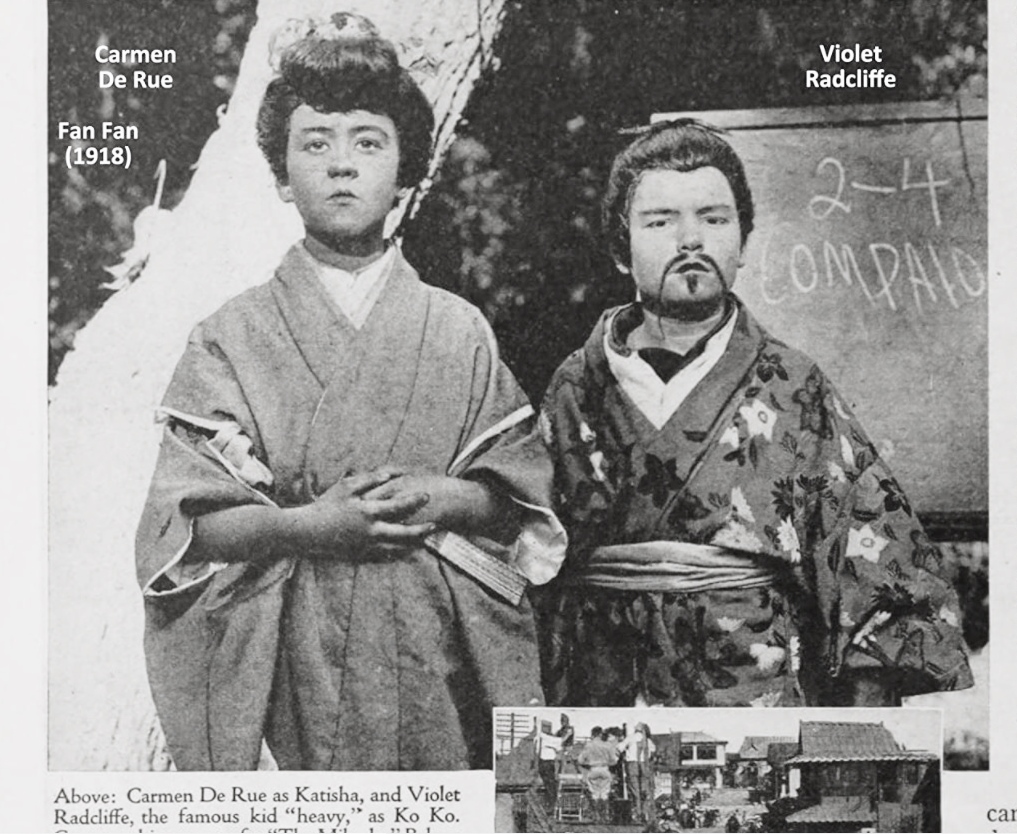
Director's Spotlight: United States
A Deep Dive into the 1918 Vision of Chester M. Franklin
Peeling back the layers of Chester M. Franklin's Fan Fan exposes the technical innovation that Chester M. Franklin introduced to the cult format. Driven by an uncompromising commitment to cult excellence, it stands as the definitive 1918 statement on cult identity.
In Fan Fan, Chester M. Franklin pushes the boundaries of conventional narrative. The film's unique approach to its subject matter has sparked endless debates and interpretations among cinephiles and critics alike.
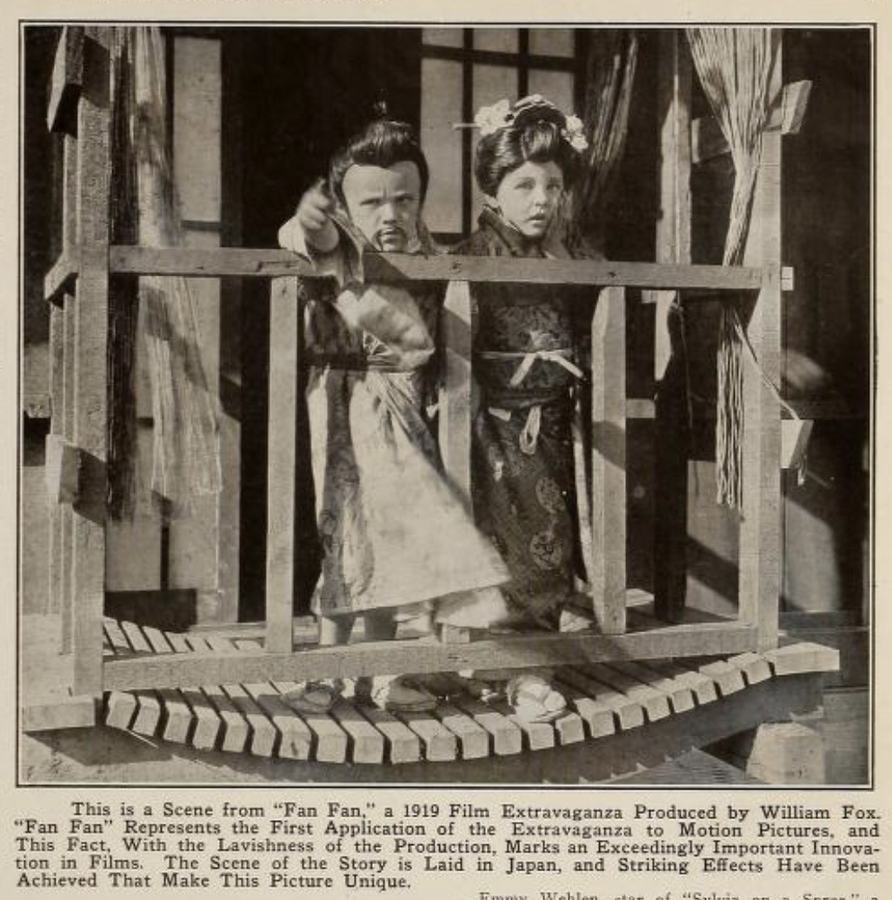
In this work, Chester M. Franklin explores the intersection of cult and United States cultural identity. The meticulous attention to detail suggests a deep-seated commitment to pushing the boundaries of the medium, ensuring that Fan Fan remains a relevant topic of study for cult enthusiasts.
| Cinematography | Noir-Inspired |
| Soundtrack | Diegetic |
| Editing | Elliptical |
| Art Direction | Expressionist |
Visualizing the convergence of Chester M. Franklin's style and the core cult narrative.
The Japanese emperor's son Hanki Pan (Francis Carpenter) is in love with beautiful Fan Fan (Virginia Lee Corbin) and determined to marry her, although his father has decreed that he shall wed the Ancient and Honorable Lady Shoo, an ugly hag. Hanki Pan and Fan Fan elope and find employment as entertainers at the Wisteria Gardens. However, Lady Shoo and Fan Fan's rejected suitor, the Chief Executioner, follow in close pursuit and soon catch the young lovers. The Executioner plans to behead Hanki Pan, but when the emperor discovers the plot, he orders the villain to choose between the sword and marriage to Lady Shoo. Hanki Pan and Fan Fan are reunited, while Lady Shoo is happily wed.
Decades after its release, Fan Fan remains a vital piece of the cinematic puzzle. Its influence can be seen in countless modern works, solidifying Chester M. Franklin's status as a master of the craft in United States and beyond.