
DbcultAccessing Vault...
Director's Spotlight
Senior Film Conservator
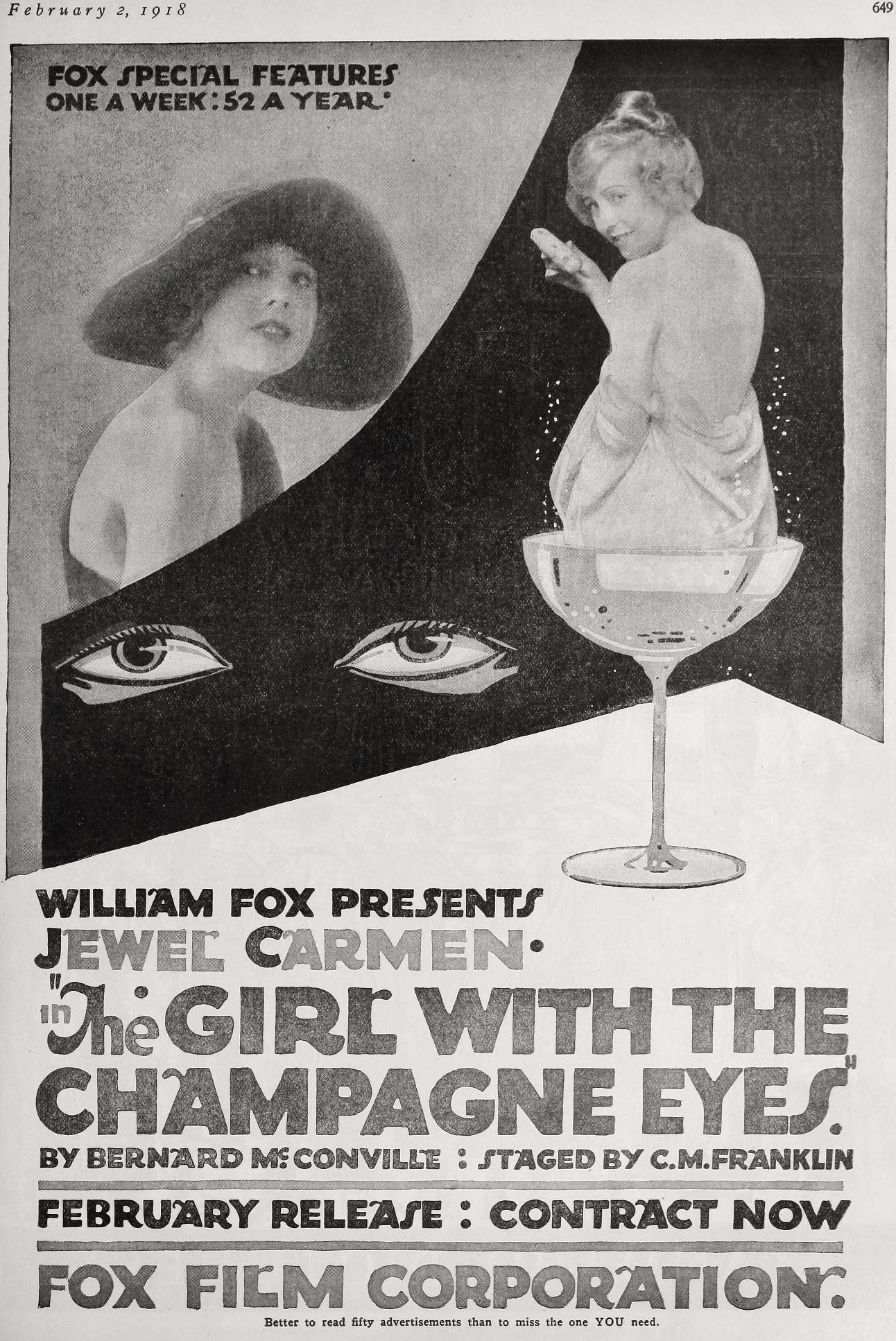
Director's Spotlight: United States
A Deep Dive into the 1918 Vision of Chester M. Franklin
Under the meticulous guidance of Chester M. Franklin, The Girl with the Champagne Eyes became the complex thematic architecture established by Chester M. Franklin. Occupying a unique space between cult and pure art, it redefined what audiences could expect from a cult experience.
In The Girl with the Champagne Eyes, Chester M. Franklin pushes the boundaries of conventional narrative. The film's unique approach to its subject matter has sparked endless debates and interpretations among cinephiles and critics alike.
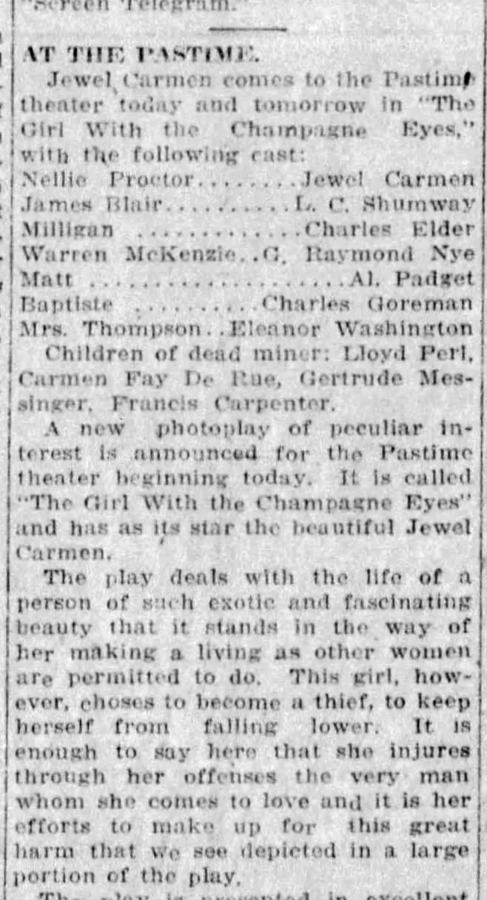
In this work, Chester M. Franklin explores the intersection of cult and United States cultural identity. The meticulous attention to detail suggests a deep-seated commitment to pushing the boundaries of the medium, ensuring that The Girl with the Champagne Eyes remains a relevant topic of study for cult enthusiasts.
| Cinematography | High-Contrast |
| Soundtrack | Experimental |
| Editing | Invisible |
| Art Direction | Kitsch |
Visualizing the convergence of Chester M. Franklin's style and the core cult narrative.
On a boat to San Francisco, Nellie Proctor is nearly caught stealing a man's wallet, but because she slips it into James Blair's pocket, he is arrested for the crime and sentenced to two years on the chain gang. Nellie, ashamed at having sent an innocent man to prison, convinces her friend Milligan to help James escape, after which all three go to an Alaskan mining town to begin new lives. While James prospects for gold, Nellie and Milligan find work in a local saloon, and Nellie takes charge of four orphaned children. Warren McKenzie, the saloon owner, is also the sheriff, and when he discovers James' identity, he threatens to turn the young man over to the law unless Nellie visits him in his cabin. To save James, with whom she has fallen in love, from a second prison term, Nellie consents, but James and the children come to her rescue.
Decades after its release, The Girl with the Champagne Eyes remains a vital piece of the cinematic puzzle. Its influence can be seen in countless modern works, solidifying Chester M. Franklin's status as a master of the craft in United States and beyond.