
DbcultAccessing Vault...
Director's Spotlight
Senior Film Conservator
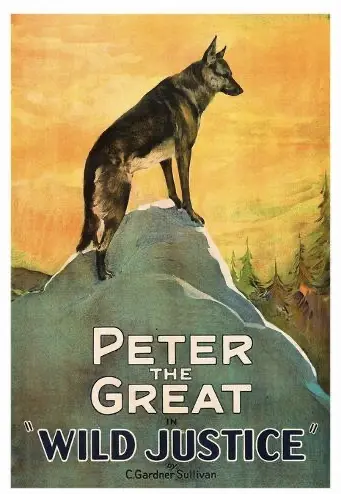
Director's Spotlight: United States
A Deep Dive into the 1925 Vision of Chester M. Franklin
Exploring the Adventure underpinnings of Wild Justice leads us to the stylistic boundaries pushed by Chester M. Franklin during the production. Through a lens of existential fatalism and Adventure tropes, it continues to spark endless debates among critics and cinephiles alike.
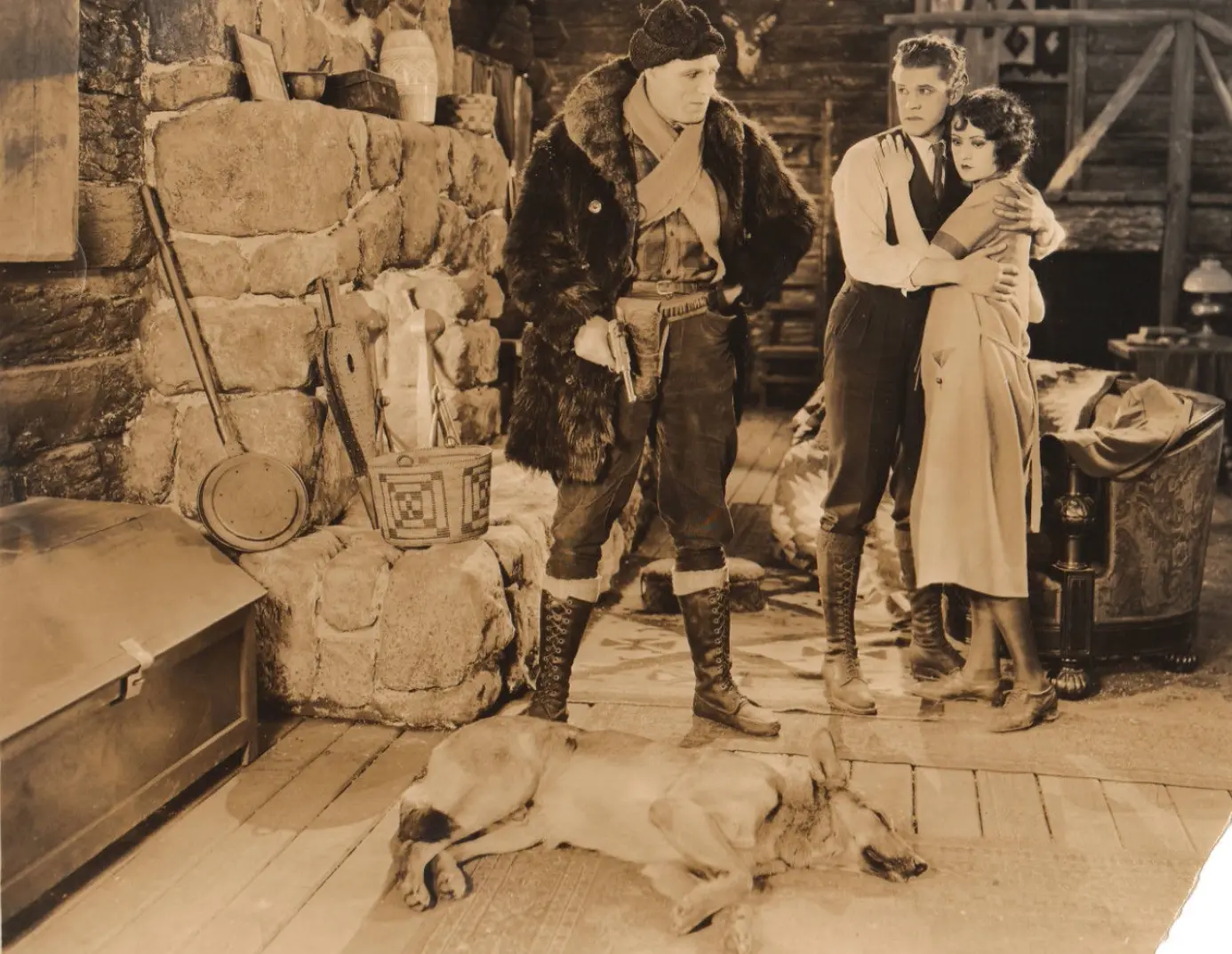
In Wild Justice, Chester M. Franklin pushes the boundaries of conventional narrative. The film's unique approach to its subject matter has sparked endless debates and interpretations among cinephiles and critics alike.
| Cinematography | Deep Focus |
| Soundtrack | Orchestral |
| Editing | Slow-Burn |
| Art Direction | Brutalist |
Visualizing the convergence of Chester M. Franklin's style and the core Adventure narrative.
Arno's master is murdered by an unknown assailant, and Bob Blake, a brutal ruffian, takes possession both of the dog and of the late owner's cabin. Arno despises Blake and runs off, seeking protection with Dave Wright, a kindly doctor. Polly Ann Hadley, the dead man's niece, arrives on a visit to her uncle and goes to the cabin now occupied by Blake. Blake seeks to defile her, but Arno comes to her aid, keeping the lecher at bay until Dr. Wright appears. Blake is proven to have killed Arno's master, and Dr. Wright woos and wins Polly Ann.
Decades after its release, Wild Justice remains a vital piece of the cinematic puzzle. Its influence can be seen in countless modern works, solidifying Chester M. Franklin's status as a master of the craft in United States and beyond.