
DbcultAccessing Vault...
Director's Spotlight
Senior Film Conservator
Director's Spotlight: United States
A Deep Dive into the 1921 Vision of Chester Withey
Analyzing Wedding Bells (1921) requires a deep dive into the unique directorial voice that Chester Withey brought to the screen. By challenging the status quo of 1921 cinema, it continues to spark endless debates among critics and cinephiles alike.
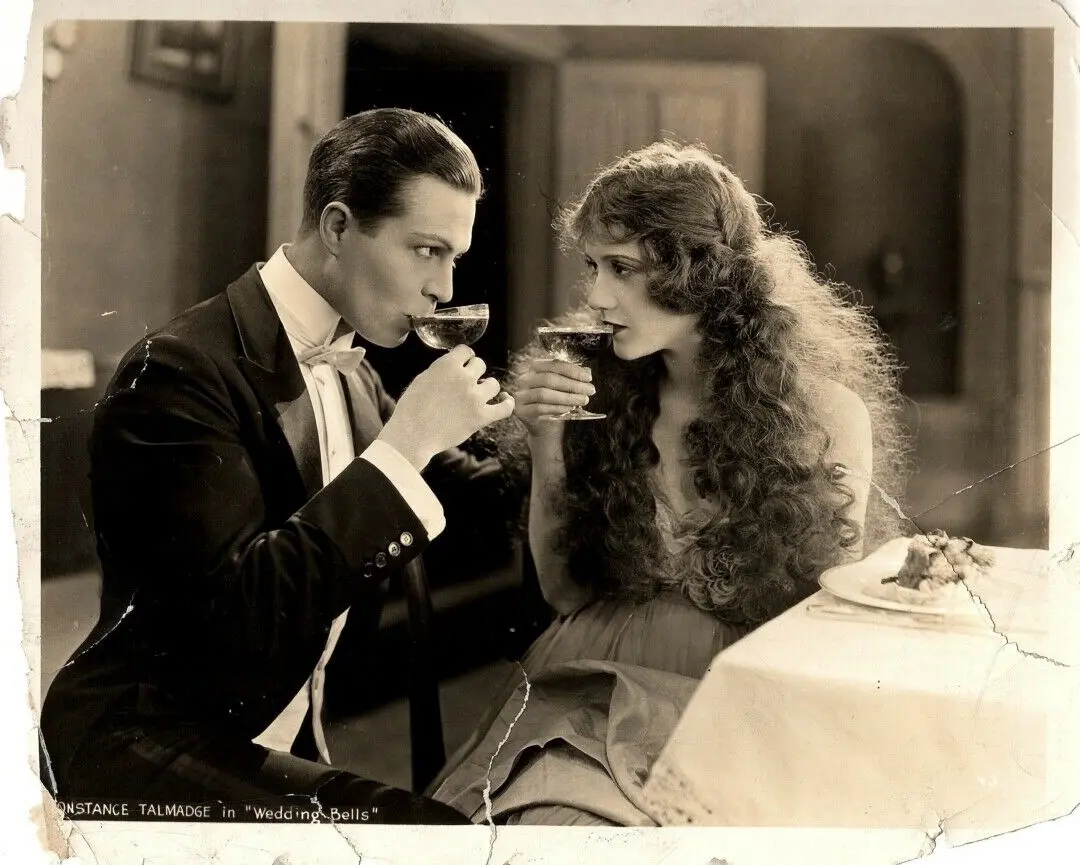
In Wedding Bells, Chester Withey pushes the boundaries of conventional narrative. The film's unique approach to its subject matter has sparked endless debates and interpretations among cinephiles and critics alike.
| Cinematography | Static |
| Soundtrack | Minimalist |
| Editing | Slow-Burn |
| Art Direction | Brutalist |
Visualizing the convergence of Chester Withey's style and the core Romance narrative.
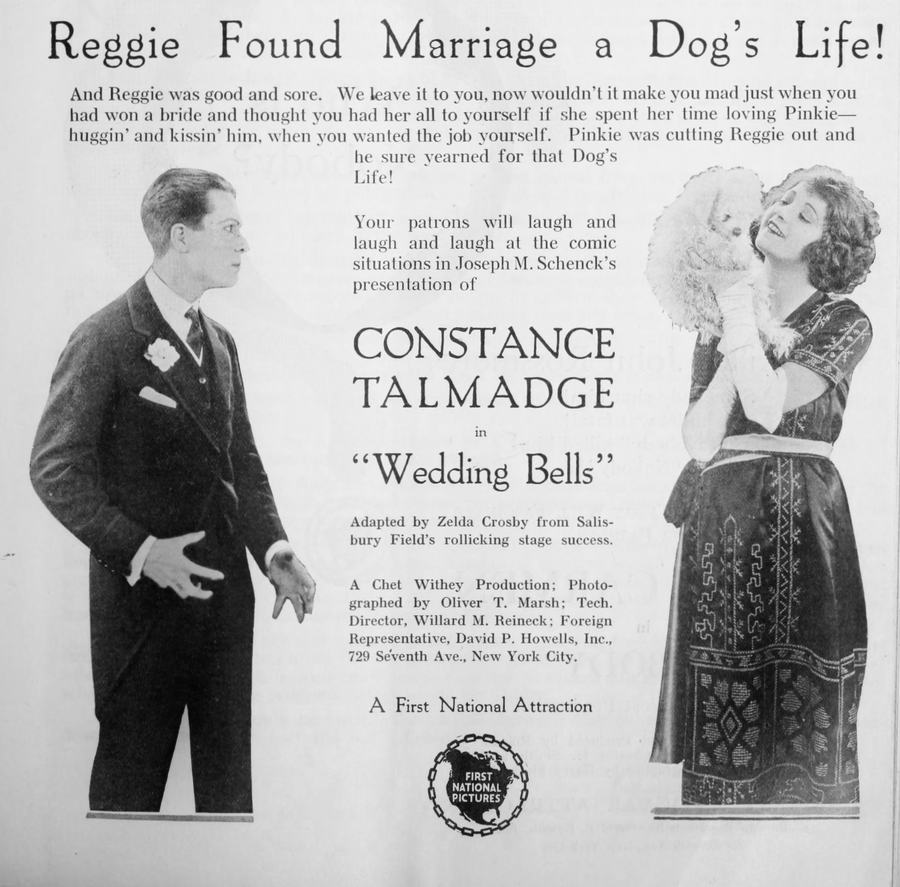
Rosalie and Reginald become acquainted while they are guests at a hotel in Palm Beach, Florida, and later they are married. Misunderstandings, aggravated by a case of measles, send the young wife to Reno, Nevada for a divorce. A year later she finds her ex-husband engaged to Marcia Hunter--a match promoted by Mrs. Hunter with an eye for Carter's wealth and social position. Regretting her hasty divorce, Rosalie almost succeeds in winning him back until the Hunters, a poet, and a rejected suitor interfere with her plan. Nevertheless, Rosalie stops the wedding by sending a note to the bishop, telling him that Reggie is divorced. Returning to Reggie, she becomes Mrs. Carter again.
Decades after its release, Wedding Bells remains a vital piece of the cinematic puzzle. Its influence can be seen in countless modern works, solidifying Chester Withey's status as a master of the craft in United States and beyond.