
DbcultAccessing Vault...
Director's Spotlight
Senior Film Conservator
Director's Spotlight: United States
A Deep Dive into the 1919 Vision of Christy Cabanne
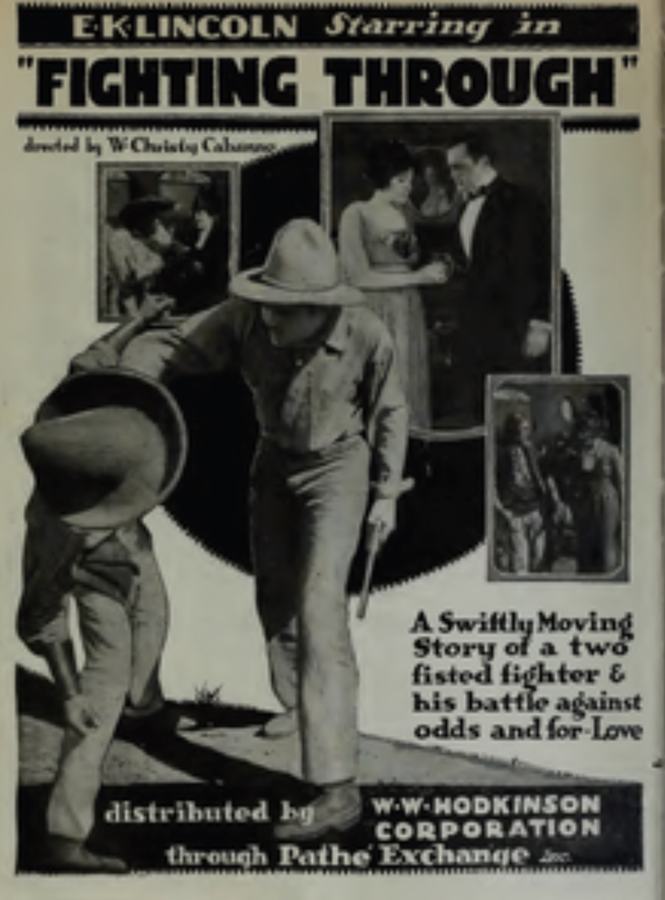
The brilliance of Fighting Through (1919) is inseparable from the visionary mind of its creator, Christy Cabanne. Serving as a mirror to the anxieties of a changing world, it persists as a haunting reminder of our own cinematic history.
In Fighting Through, Christy Cabanne pushes the boundaries of conventional narrative. The film's unique approach to its subject matter has sparked endless debates and interpretations among cinephiles and critics alike.
To fully appreciate Fighting Through, one must consider the cinematic climate of 1919. During this period, United States was undergoing significant artistic shifts, and Christy Cabanne was at the forefront of this cult movement, often challenging established norms.
| Cinematography | Deep Focus |
| Soundtrack | Experimental |
| Editing | Invisible |
| Art Direction | Kitsch |
Visualizing the convergence of Christy Cabanne's style and the core cult narrative.
Robert Carr, the grandson of a Confederate soldier, was raised to honor his Southern heritage, and to regard the U.S. government as an adversary. Maryland Warren, Robert's fiancée, chides him for cowardice when a tear in his pants prevents him from rescuing her from a runaway horse, allowing a rival suitor to come to her aid. After war is declared against Germany, and Robert refuses to honor the American flag, Maryland accuses him of disloyalty and breaks their engagement. Later, Robert is beaten unconscious by hobos and placed on a freight train bound for Arizona. He arrives to learn that Maryland, who is there on vacation, has been taken hostage by Mexican bandits across the border. He fights the Mexicans for insulting the American flag and attempts to escape with Maryland. As the bandits surround Maryland and Robert, a posse of cowboys comes to the rescue. The lovers are reunited and return to their native Virginia.
Decades after its release, Fighting Through remains a vital piece of the cinematic puzzle. Its influence can be seen in countless modern works, solidifying Christy Cabanne's status as a master of the craft in United States and beyond.