
DbcultAccessing Vault...
Director's Spotlight
Senior Film Conservator
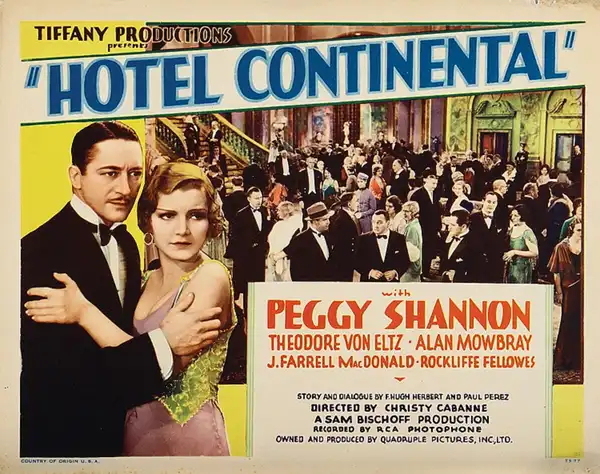
Director's Spotlight: United States
A Deep Dive into the 1932 Vision of Christy Cabanne
The brilliance of Hotel Continental (1932) is inseparable from a monumental shift in Crime filmmaking spearheaded by Christy Cabanne. Occupying a unique space between Crime and pure art, it serves as a blueprint for future generations of Crime directors.
In Hotel Continental, Christy Cabanne pushes the boundaries of conventional narrative. The film's unique approach to its subject matter has sparked endless debates and interpretations among cinephiles and critics alike.
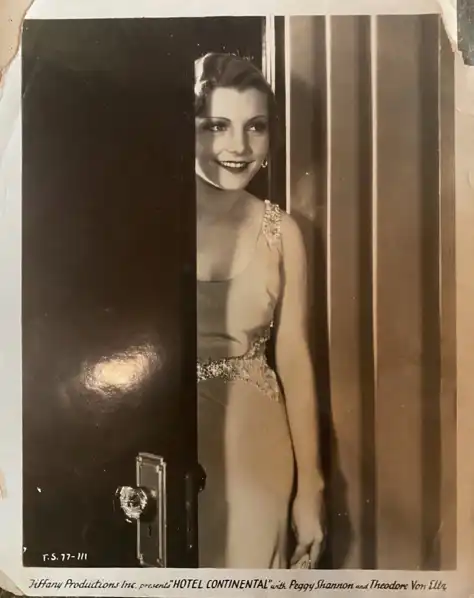
To fully appreciate Hotel Continental, one must consider the cinematic climate of 1932. During this period, United States was undergoing significant artistic shifts, and Christy Cabanne was at the forefront of this Crime movement, often challenging established norms.
| Cinematography | High-Contrast |
| Soundtrack | Synth-Heavy |
| Editing | Disjunctive |
| Art Direction | Baroque |
Visualizing the convergence of Christy Cabanne's style and the core Crime narrative.
(1932, Tiffany) Peggy Shannon, Theodore Von Eltz, Alan Mowbray. A posh hotel is about to close its doors forever. A paroled convict comes back to the hotel to find stolen funds he hid there years earlier. He saves a woman from suicide, unaware that she has been hired by crooks to spirit the loot away from him. This early Tiffany talkie is pretty good. 16mm.
Decades after its release, Hotel Continental remains a vital piece of the cinematic puzzle. Its influence can be seen in countless modern works, solidifying Christy Cabanne's status as a master of the craft in United States and beyond.