
DbcultAccessing Vault...
Director's Spotlight
Senior Film Conservator
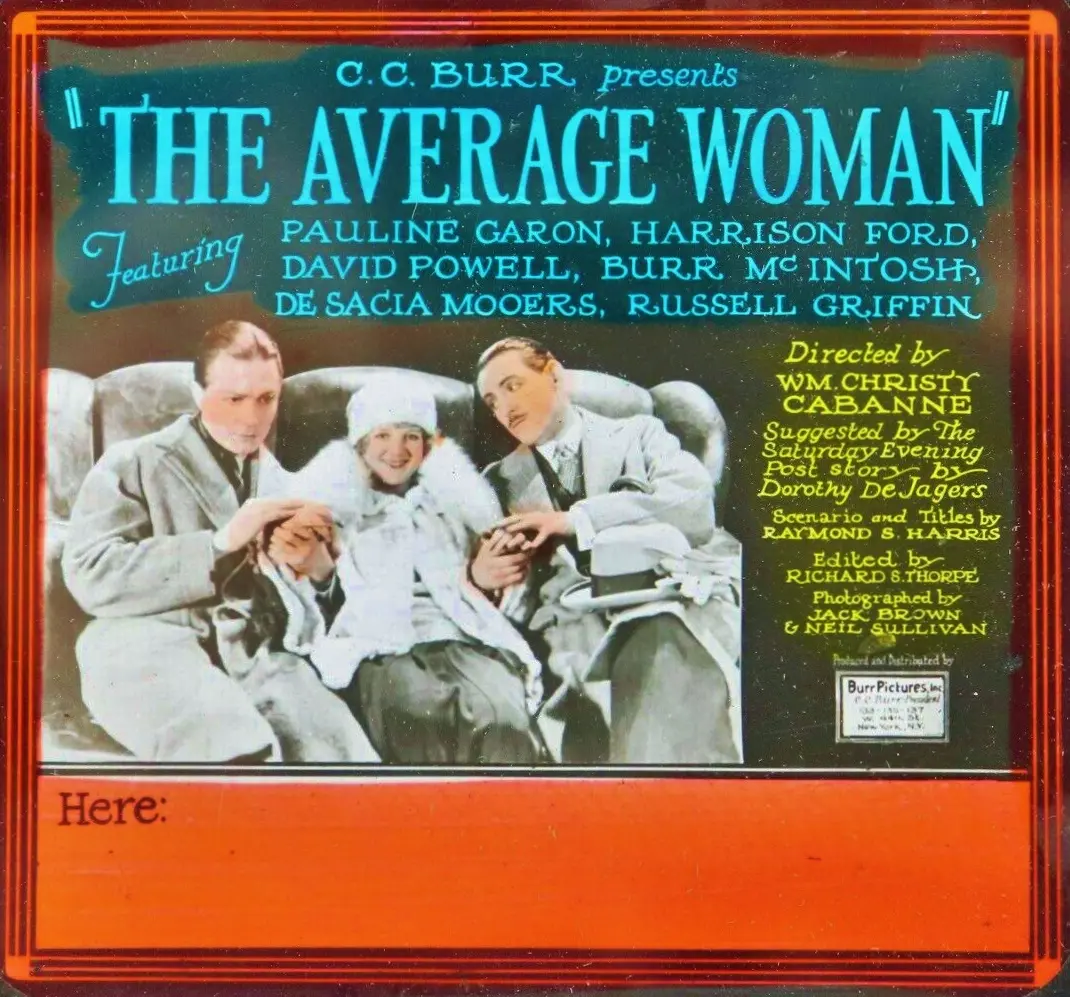
Director's Spotlight: United States
A Deep Dive into the 1924 Vision of Christy Cabanne
As we revisit the 1924 masterpiece The Average Woman, we are struck by the atmospheric immersion that Christy Cabanne achieves throughout The Average Woman. Exploring the nuances of the human condition with Drama flair, it solidifies Christy Cabanne's reputation as a master of the craft.
In The Average Woman, Christy Cabanne pushes the boundaries of conventional narrative. The film's unique approach to its subject matter has sparked endless debates and interpretations among cinephiles and critics alike.
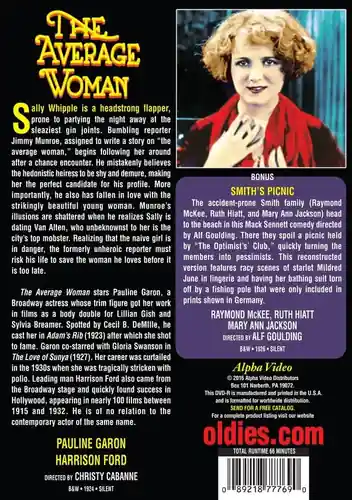
To fully appreciate The Average Woman, one must consider the cinematic climate of 1924. During this period, United States was undergoing significant artistic shifts, and Christy Cabanne was at the forefront of this Drama movement, often challenging established norms.
| Cinematography | Noir-Inspired |
| Soundtrack | Diegetic |
| Editing | Elliptical |
| Art Direction | Expressionist |
Visualizing the convergence of Christy Cabanne's style and the core Drama narrative.
Reporter Jimmy Munroe is writing an article on "the average woman". He meets Sally Whipple in the library and chooses her as a likely subject, following her around to gather material for his article, and eventually falls in love with her. Her father, Judge Whipple, doesn't like it; he has Jimmy arrested and allows him to see Sally only once a week. Meanwhile, disreputable businessman Van Alten is after Sally, and tries to pressure her into marrying him by threatening to release letters he says will embarrass her father.
Decades after its release, The Average Woman remains a vital piece of the cinematic puzzle. Its influence can be seen in countless modern works, solidifying Christy Cabanne's status as a master of the craft in United States and beyond.